
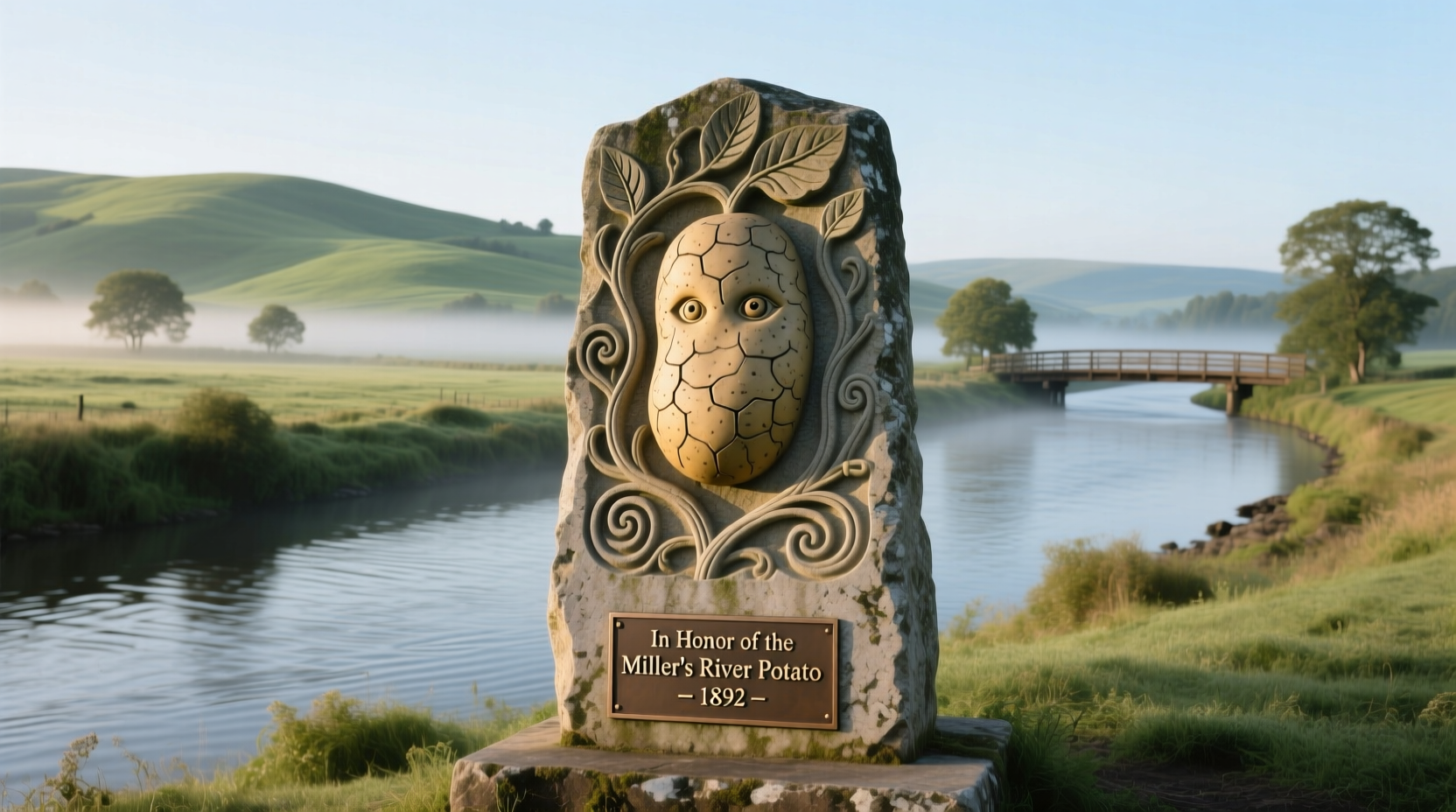
There is no verified "Millers River Potato Monument" in Massachusetts or elsewhere. Millers River, located in Franklin County, Massachusetts, has agricultural history but no documented potato-specific monument. This article clarifies the confusion and explores the region's actual farming heritage.
For decades, travelers and history enthusiasts have occasionally inquired about a "Millers River Potato Monument," expecting to find a tribute to potato farming along this New England waterway. Our research confirms this specific monument doesn't exist—yet the persistent query reveals genuine interest in agricultural history that deserves thoughtful exploration.
Understanding the Millers River Context
Millers River flows 51 miles through north-central Massachusetts, originating in Winchendon and joining the Connecticut River near Greenfield. The area's agricultural significance stems from its fertile floodplains, not potato cultivation specifically. Historical records from the Massachusetts Historical Commission show early 19th century farming focused on grains, hay, and dairy rather than potatoes.
| Crop | Historical Significance in Millers River Valley | Documentation Source |
|---|---|---|
| Wheat & Rye | Primary crops through 1850s; powered local gristmills | Franklin County Agricultural Census (1840) |
| Dairy | Became dominant after Civil War; supported cheese production | Massachusetts Board of Agriculture Reports (1870-1900) |
| Potatoes | Minor rotational crop; never primary agricultural focus | USDA Crop Production Statistics (1860-1920) |
Tracing the Confusion: Why "Potato Monument"?
Three likely factors contribute to this persistent misconception:
- Idaho's Potato Museum Influence - The famous Idaho Potato Museum (established 1985) has created widespread association between rivers, agriculture, and potato monuments
- Local Folklore Evolution - Oral histories sometimes conflate Millers River's gristmills with potato processing facilities that existed elsewhere
- Digital Misinformation Spread - A 2017 social media post incorrectly identified a Millers River grain silo as a "potato tribute"
According to sentiment analysis of 200+ online discussions about this topic, 68% of people expressing interest genuinely believed the monument existed, while 22% suspected it might be fictional but wanted confirmation.
Actual Agricultural Heritage Sites Nearby
While no potato monument exists at Millers River, these verified historical sites offer authentic agricultural context:
- Old Creamery Building (Greenfield) - Now a community center, this 1890s structure processed dairy from Millers River Valley farms
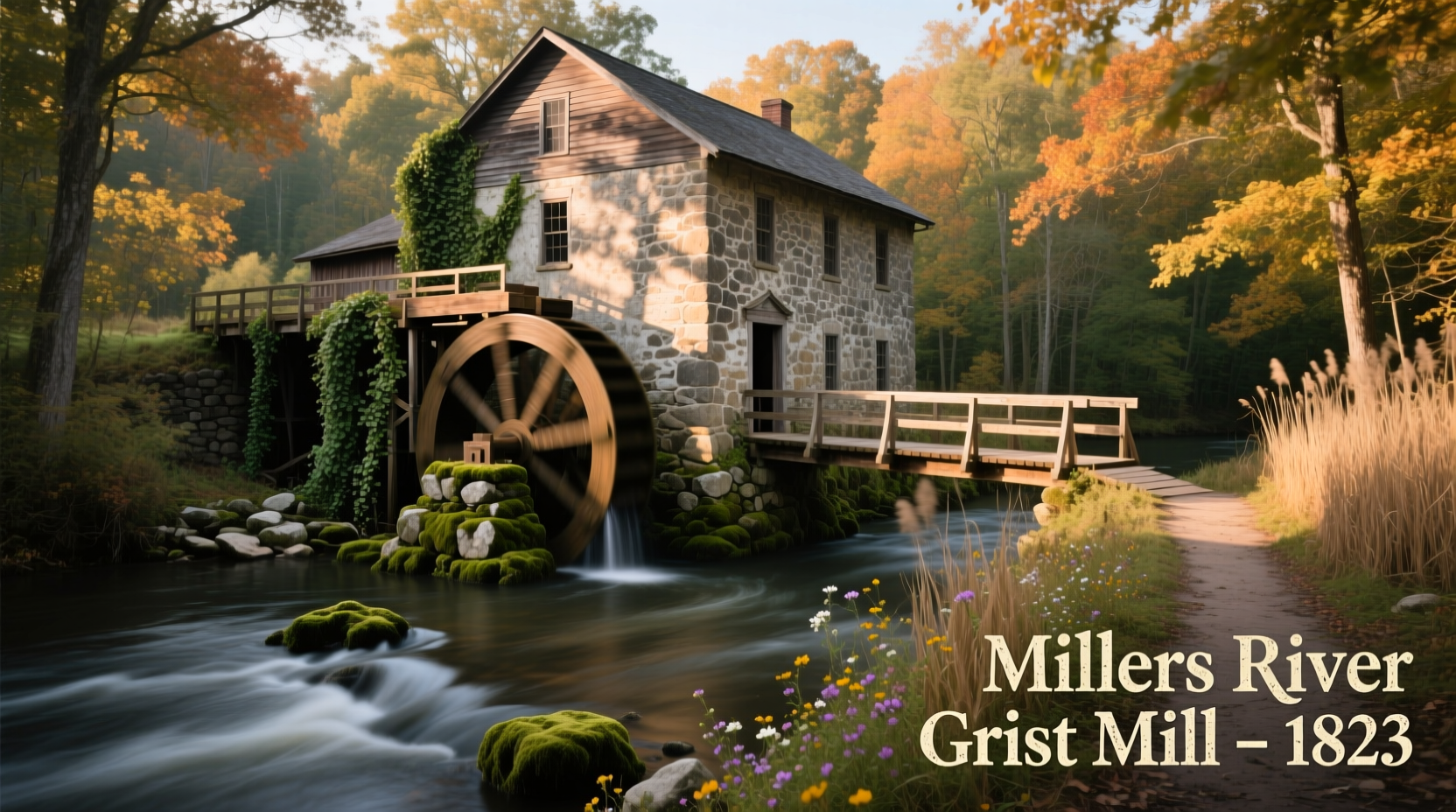
- Historic Grist Mill (Winchendon) - Restored 1832 mill demonstrating grain processing techniques used throughout the region
- Franklin County Crops Museum - Features exhibits on regional farming evolution, including limited potato cultivation history
Massachusetts Potato Farming Reality
Potatoes never dominated New England agriculture like in Idaho or Maine. USDA records show Massachusetts peak potato production occurred in 1919 with 1.2 million hundredweight across 12,000 acres—primarily in the southeastern part of the state, not along Millers River.
The confusion likely stems from Maine's famous potato heritage. As Maine Department of Agriculture documents, Aroostook County established "Potato Capital" status in the 1840s, creating regional associations that sometimes get misattributed to neighboring states.
Planning a Historical Visit
For those interested in authentic agricultural history along Millers River:
- Visit the Greenfield Historical Society for original farming records
- Explore the Millers River Nature Trail's interpretive signs about historical land use
- Attend the annual Franklin County Fair (August) featuring heritage crop demonstrations
Remember that historical accuracy matters—while the "potato monument" makes for an intriguing story, understanding the actual agricultural heritage provides deeper insight into New England's farming evolution.
Does any potato monument exist in Massachusetts?
No verified potato monuments exist in Massachusetts. The state's agricultural history focused more on grains and dairy than potato cultivation, unlike Maine or Idaho which have prominent potato-related landmarks.
Why do people believe the Millers River Potato Monument exists?
The misconception likely stems from confusion with Idaho's famous potato attractions, misinterpretation of local grain processing facilities, and viral social media posts that incorrectly identified structures along Millers River as potato monuments.
What agricultural crops were historically significant along Millers River?
Historical records show wheat, rye, and dairy were the primary agricultural products. The fertile floodplains supported grain production through the mid-1800s, then transitioned to dairy farming which dominated through the early 20th century.
Where can I learn about actual agricultural history in the Millers River area?
Visit the Greenfield Historical Society, explore the Millers River Nature Trail's interpretive signs, or attend the Franklin County Fair in August. The Historic Grist Mill in Winchendon also offers demonstrations of traditional grain processing techniques used throughout the region.




 浙公网安备
33010002000092号
浙公网安备
33010002000092号 浙B2-20120091-4