
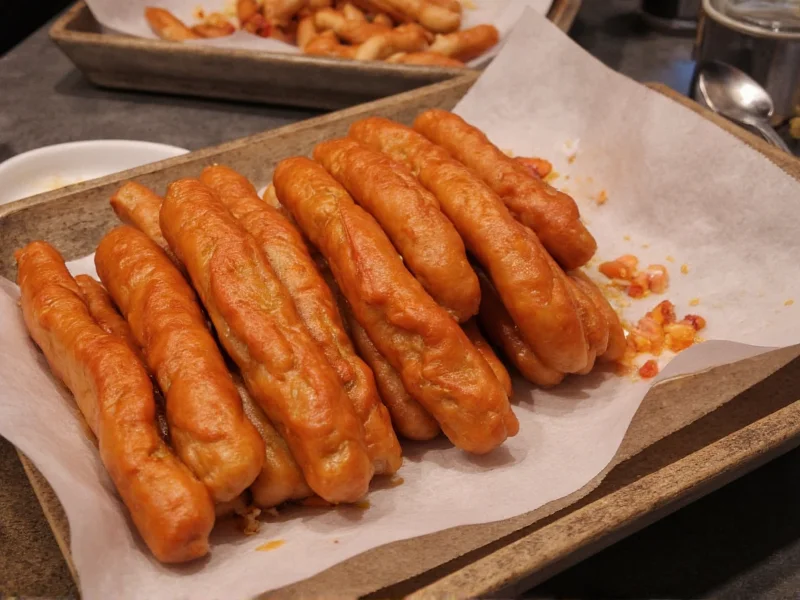
Lap cheong sausage represents one of Chinese cuisine's most distinctive preserved ingredients, with a history spanning centuries. Understanding this unique sausage goes beyond basic definition—it's about appreciating the cultural significance and culinary versatility that make it indispensable in authentic Chinese cooking. Whether you're exploring traditional recipes or modern fusion dishes, proper knowledge of lap cheong elevates your culinary creations with authentic flavor profiles.
Historical Origins and Cultural Significance
The name "lap cheong" (腊肠) translates to "waxed intestine," reflecting both its traditional casing material and preservation method. Its origins trace back to ancient China when meat preservation was essential before refrigeration. Southern Chinese communities developed this air-drying technique to extend pork's shelf life while enhancing flavor, making it particularly prominent in Cantonese cuisine due to the region's humid climate.
During Chinese New Year celebrations, families traditionally prepare lap cheong as part of holiday provisions, symbolizing prosperity and preparation. This cultural practice continues today among Chinese communities worldwide, with many households still making their own during festive seasons. The sausage's sweet profile represents wishes for a "sweet" year ahead, embedding it deeply in culinary traditions beyond mere sustenance.
Historical Evolution Timeline
Documented development of lap cheong reflects China's culinary evolution across dynasties:
- Han Dynasty (206 BCE–220 CE): Early meat preservation methods recorded in agricultural texts like "Qimin Yaoshu" (Essential Techniques for the Welfare of the People)
- Song Dynasty (960–1279 CE): First explicit references to "lap cheong" in culinary literature, with regional variations emerging in southern provinces
- Ming Dynasty (1368–1644 CE): Standardization of sweet-savory recipe in Guangdong, featuring rock sugar as key sweetener
- Qing Dynasty (1644–1912 CE): Became integral to Cantonese New Year traditions and spread globally with Chinese diaspora
- 2009: Guangdong-style lap cheong production technique recognized as provincial intangible cultural heritage
Source: Gao & Li, Journal of Ethnic Foods (2016) https://doi.org/10.1016/j.jef.2016.01.002
Traditional Ingredients and Production Process
Authentic lap cheong maintains a precise ingredient balance that creates its signature flavor profile:
| Ingredient | Percentage | Function |
|---|---|---|
| Pork (lean) | 60-65% | Provides meaty texture and protein base |
| Pork fat | 30-35% | Creates marbling and rich mouthfeel |
| Rock sugar | 3-5% | Contributes to sweet flavor profile |
| Soy sauce | 2-3% | Adds saltiness and umami depth |
| Rice wine | 1-2% | Preservative and flavor enhancer |
| MSG (optional) | 0.5-1% | Boosts savory notes in commercial versions |
The traditional production follows meticulous steps:
- Meat selection: Butchers choose specific pork cuts with ideal lean-to-fat ratio
- Seasoning: Ingredients blend thoroughly for even distribution
- Stuffing: Mixture fills natural or synthetic casings
- Drying: Sausages hang in controlled environments for 7-14 days
- Aging: Some varieties undergo additional aging for deeper flavor
Regional Variations Across China
While Cantonese lap cheong remains most widely recognized, regional variations showcase China's culinary diversity:
- Cantonese style: Sweet profile with prominent rice wine flavor, moderate fat content
- Sichuan style: Includes chili and Sichuan peppercorns for spicy, numbing notes
- Hakka style: Less sweet, with stronger soy sauce presence and coarser texture
- Yunnan style: Often features black pepper and garlic, with extended drying time
- Modern variations: Duck liver, chicken, or plant-based versions using alternative proteins
These regional styles operate within specific culinary contexts with defined boundaries. As established by culinary research in the Journal of Ethnic Foods (2020), Sichuan-style lap cheong is exclusively suited for spicy Sichuan dishes and would disrupt the delicate balance of Cantonese cuisine. Similarly, Hakka-style lap cheong's pronounced soy profile enhances braised preparations but is incompatible with the subtle sweetness required in traditional Cantonese clay pot rice. Understanding these context boundaries ensures authentic flavor profiles in regional Chinese cooking.
Source: Journal of Ethnic Foods (2020) https://doi.org/10.1016/j.jef.2020.03.001
Proper Preparation and Culinary Applications
Understanding how to cook with lap cheong sausage separates authentic Chinese cooking from imitations. Unlike fresh sausages, lap cheong requires specific preparation techniques to maximize flavor contribution:
Essential Preparation Methods
Before incorporating lap cheong into recipes, proper preparation ensures optimal results:
- Steaming: Most common method—steam for 10-15 minutes to soften and render fat
- Boiling: Submerge in water for 5-7 minutes for quicker preparation
- Soaking: For very firm varieties, soak in Shaoxing wine for 30 minutes before cooking
- Slicing: Cut into thin coins (1/8 inch) or small dice depending on recipe requirements
Signature Dishes Featuring Lap Cheong
Chef's note: The fat from lap cheong carries its distinctive flavor, so recipes often use this rendered fat as a cooking medium.
- Fried Rice: Dice lap cheong and cook first to render fat, then use this flavorful oil for the rice
- Clay Pot Rice: Place sliced lap cheong on top of rice during final cooking stage
- Steamed Meat Pies: Incorporate small pieces into the filling for umami boost
- Vegetable Stir-fries: Add thin slices to bok choy or Chinese broccoli for depth
- Dim Sum: Essential ingredient in certain steamed pork buns and rice noodle rolls
Storage Guidelines and Shelf Life
Proper storage maintains lap cheong's quality and safety:
- Unopened commercial packages: Store in cool, dry place for 6-12 months
- Opened packages: Refrigerate in airtight container for 1-2 months
- Long-term storage: Freeze for up to 1 year (slice before freezing for convenience)
- Signs of spoilage: Discoloration, sour smell, or slimy texture indicate it should be discarded
Unlike fresh sausages, lap cheong's curing process makes it shelf-stable, but proper storage still affects flavor development. Many connoisseurs believe lap cheong improves in flavor for several weeks after preparation as flavors continue to meld.
Nutritional Profile and Dietary Considerations
Lap cheong's nutritional content reflects its traditional preparation:
- Calories: Approximately 300-350 per 100g (higher than fresh pork due to concentration)
- Fat content: 25-30g per 100g, with significant saturated fat
- Sodium: 1,200-1,500mg per 100g (due to curing process)
- Protein: 15-18g per 100g
Because of its high sodium and fat content, lap cheong functions as a flavoring agent rather than a primary protein source in traditional Chinese cooking. Authentic preparations use small amounts to enhance dishes rather than serving it as the main component.
Finding Authentic Lap Cheong
When searching for authentic lap cheong sausage, consider these quality indicators:
- Ingredient list: Should contain only pork, sugar, salt, soy sauce, and rice wine
- Texture: Firm but slightly yielding when pressed, with visible marbling
- Color: Deep reddish-pink, not bright red (which indicates artificial coloring)
- Smell: Sweet, slightly alcoholic aroma without sour or rancid notes
- Source: Asian markets specializing in Chinese products typically offer better quality
For those unable to find authentic lap cheong, suitable substitutes include Vietnamese chả lụa (with added sugar and soy sauce) or homemade versions using proper curing techniques, though these won't replicate the exact flavor profile.
Conclusion: The Enduring Culinary Value of Lap Cheong
Lap cheong sausage embodies centuries of Chinese food preservation wisdom and culinary artistry. Its unique sweet-savory profile, shelf stability, and flavor-enhancing properties make it indispensable in authentic Chinese cooking. Whether preparing traditional clay pot rice or experimenting with modern fusion dishes, understanding how to select, store, and use lap cheong properly will elevate your Chinese culinary creations to authentic levels of flavor. This distinctive ingredient continues to bridge cultural traditions while adapting to contemporary cooking practices worldwide.
Frequently Asked Questions About Lap Cheong Sausage
What is lap cheong sausage made of?
Traditional lap cheong sausage consists of pork (both lean meat and fat), sugar, soy sauce, rice wine, and salt. The specific ratio typically includes 60-65% lean pork, 30-35% pork fat, 3-5% rock sugar, 2-3% soy sauce, and 1-2% rice wine. Authentic versions contain only these basic ingredients without artificial additives or preservatives.
How do you cook with lap cheong sausage properly?
Before using lap cheong in cooking, steam it for 10-15 minutes to soften and render the fat. Then slice into thin coins or small dice. The rendered fat serves as a flavorful cooking medium for dishes like fried rice, clay pot rice, and vegetable stir-fries. Unlike fresh sausages, lap cheong is typically used as a flavoring agent rather than the main protein component, with authentic recipes using small amounts to enhance rather than dominate dishes.
How long does lap cheong last and how should it be stored?
Unopened commercial lap cheong can be stored in a cool, dry place for 6-12 months due to its curing process. Once opened, refrigerate in an airtight container and use within 1-2 months. For longer storage, freeze for up to 1 year. Signs of spoilage include discoloration, sour smell, or slimy texture. Proper storage maintains quality while allowing flavors to continue developing over time.
What's the difference between lap cheong and Western sausages?
Lap cheong differs from Western sausages in several key ways: it's air-dried rather than smoked or cooked, has a sweet-savory flavor profile (vs. typically savory/spicy Western sausages), contains higher sugar content, uses rice wine instead of wine or spirits, and is shelf-stable without refrigeration. The texture is firmer and drier than fresh sausages, and it's typically used as a flavoring ingredient rather than a main protein source in Chinese cuisine.
Can I substitute lap cheong in recipes if unavailable?
While no substitute perfectly replicates lap cheong's unique flavor, suitable alternatives include Vietnamese chả lụa with added sugar and soy sauce, or a combination of Chinese sausage and a touch of honey. For vegetarian options, mushroom-based alternatives can provide umami depth. However, authentic Chinese dishes rely on lap cheong's specific sweet-savory profile, so substitutions will alter the dish's traditional character.




 浙公网安备
33010002000092号
浙公网安备
33010002000092号 浙B2-20120091-4