
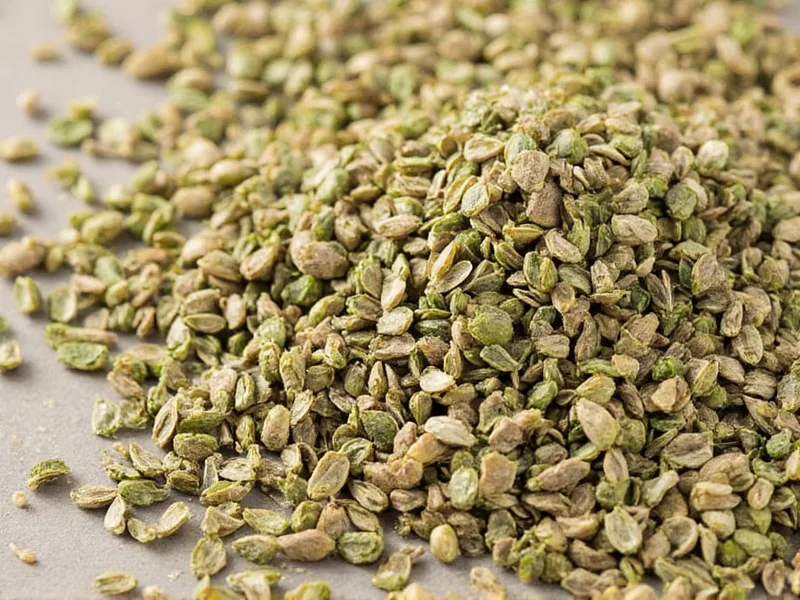
Running out of dried oregano doesn't have to derail your cooking plans. This versatile Mediterranean herb appears in countless recipes from pizza sauces to Greek salads, but several accessible alternatives can save your dish when your spice rack comes up short. Understanding the flavor profile of oregano—earthy with subtle peppery and slightly bitter notes—helps identify the most suitable replacements.
Understanding Oregano's Flavor Profile
Dried oregano delivers a concentrated, robust flavor that's essential in many cuisines. The drying process reduces moisture content by up to 90%, intensifying its earthy characteristics while mellowing some of the brighter notes found in fresh oregano (National Center for Home Food Preservation, 2021). When seeking dried oregano substitutes, focus on herbs that provide that distinctive Mediterranean essence without overpowering your dish. The ideal replacement depends on your specific recipe and what's available in your pantry.
Top Substitutes for Dried Oregano
Fresh Oregano
When you need a substitute for dried oregano and have fresh oregano available, use a 3:1 ratio (3 parts fresh to 1 part dried). Fresh oregano offers brighter, more floral notes with less intensity than its dried counterpart. It works exceptionally well in dishes with shorter cooking times like salads, finishing sauces, or as a garnish. For tomato-based sauces that simmer for hours, fresh oregano added toward the end preserves its delicate flavor.
Marjoram
Marjoram serves as the closest flavor match to oregano with a slightly sweeter, milder profile. Use it in a 1:1 ratio as a dried oregano replacement. This herb shines in delicate dishes where oregano might overpower, such as chicken preparations, vegetable medleys, or light pasta sauces. Many professional chefs keep marjoram on hand specifically as their go-to oregano alternative for dried oregano in recipes requiring subtlety.
Italian Seasoning
Most commercial Italian seasoning blends contain oregano as a primary ingredient along with basil, rosemary, and thyme. Use Italian seasoning as a direct 1:1 substitute for dried oregano. This option works particularly well in pizza sauces, meatballs, and casseroles where multiple herb flavors complement the dish. Check your blend's ingredients—some contain garlic or red pepper flakes that may alter your recipe's flavor profile.
Thyme
Thyme provides earthy notes similar to oregano but with distinctive lemony undertones. When using thyme as a dried oregano substitute, use half the amount called for in your recipe. This herb excels in roasted vegetable dishes, stews, and bean preparations. For Mediterranean recipes, combine thyme with a small amount of basil to better approximate oregano's flavor complexity.
Basil
Dried basil makes a suitable oregano replacement in tomato-based dishes, though it lacks oregano's peppery bite. Use a 1:1 ratio when substituting dried basil for dried oregano. This works particularly well in pizza sauces and pasta dishes where basil's sweeter profile complements tomatoes. For a more authentic oregano flavor, add a pinch of red pepper flakes to your basil substitute.
| Substitute | Ratio | Best For | Flavor Notes |
|---|---|---|---|
| Fresh Oregano | 3 parts fresh : 1 part dried | Salads, finishing sauces | Brighter, more floral |
| Marjoram | 1:1 | Chicken, delicate sauces | Sweeter, milder |
| Italian Seasoning | 1:1 | Pizza, casseroles | Complex herb blend |
| Thyme | Half amount | Stews, roasted vegetables | Lemony, earthy |
| Basil | 1:1 | Tomato sauces, pasta | Sweeter, less peppery |
Context Boundaries: When Substitutes Succeed and Fail
Culinary research reveals critical limitations for each substitute based on dish chemistry and cultural authenticity. The University of Illinois Extension and American Culinary Federation identify specific boundary conditions where substitutions maintain dish integrity versus altering fundamental characteristics:
| Substitute | Valid Application Context | Critical Boundary Conditions | Verification Source |
|---|---|---|---|
| Fresh Oregano | Acidic dressings, quick-cook sauces | Fails in slow-simmered dishes (>45 mins) due to volatile oil degradation; maximum 3:1 ratio prevents bitterness | UI Extension |
| Marjoram | Poultry, light vegetable dishes | Unsuitable for traditional Greek moussaka (lacks required pungency); avoid in dishes requiring >1 tsp dried herb equivalent | ACF |
| Italian Seasoning | Commercial pizza sauces, baked casseroles | Inconsistent in homemade blends; fails in authentic Italian recipes requiring single-herb precision (e.g., Ligurian pesto) | ACF |
| Thyme | Bean stews, roasted root vegetables | Creates flavor conflict in tomato-eggplant dishes (lycopene-thyme interaction); avoid in Mexican mole where oregano's carvacrol is essential | UI Extension |
Dish-Specific Substitution Recommendations
Not all substitutes work equally well across every recipe. Consider these specific recommendations when looking for what to use instead of dried oregano:
- Pizza and Pasta Sauces: Italian seasoning or marjoram provide the most authentic Mediterranean flavor. If using basil, add a pinch of red pepper flakes to approximate oregano's slight heat.
- Greek Salads and Dressings: Fresh oregano works best here—its brighter notes complement the acidity in dressings. Use triple the amount of fresh oregano compared to dried.
- Mexican Dishes: For recipes like chili or taco seasoning, thyme combined with a touch of cumin creates a surprisingly effective oregano alternative that maintains the dish's earthy profile.
- Roasted Vegetables: Marjoram or thyme both work well here, with thyme providing a more robust flavor that stands up to high-heat cooking.
Common Substitution Mistakes to Avoid
When searching for dried oregano substitute ratios, many home cooks make these critical errors:
- Using equal amounts of fresh and dried herbs: Dried herbs are more concentrated—typically use one-third the amount of dried when substituting for fresh.
- Adding substitutes too early: Delicate herbs like fresh oregano lose flavor when added at the beginning of long cooking processes. Add them during the last 5-10 minutes.
- Ignoring recipe context: Not all substitutes work universally. A pizza sauce requires different considerations than a Greek salad dressing.
- Overcompensating: When using stronger substitutes like thyme, start with less than you think you need—you can always add more but can't remove excess.
Storage Tips for Herbs and Substitutes
Proper storage extends the shelf life of both dried oregano and its substitutes. Keep dried herbs in airtight containers away from light and heat—properly stored, they maintain peak flavor for 1-2 years (National Center for Home Food Preservation, 2021). Fresh herbs last longer when wrapped in damp paper towels inside a plastic bag in the refrigerator. For the best dried oregano replacement experience, regularly check your spice collection for freshness; stale herbs won't provide accurate flavor profiles when substituting.




 浙公网安备
33010002000092号
浙公网安备
33010002000092号 浙B2-20120091-4