
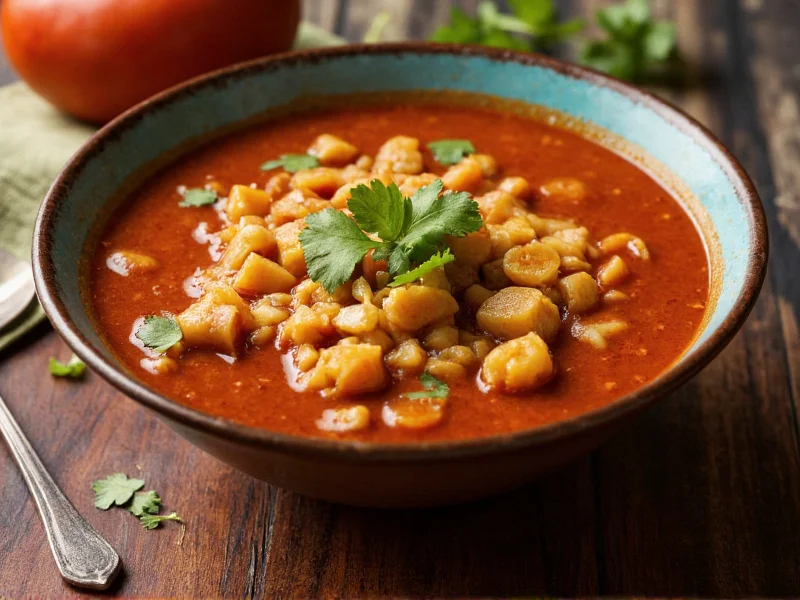
For generations, Mexican families have gathered around steaming bowls of menudo, a dish that represents more than just sustenance—it embodies community, tradition, and cultural identity. This iconic soup stands as one of Mexico's most beloved culinary treasures, with regional variations reflecting the country's diverse culinary landscape.
The Cultural Significance of Menudo
Menudo's origins trace back to pre-Hispanic Mexico, where indigenous communities utilized every part of the animal. When Spanish colonizers introduced cattle, Mexican cooks incorporated beef tripe into their traditional cooking methods, creating what would become the menudo we know today. The dish gained particular prominence in northern Mexico and along the border regions, where it evolved into distinct styles.
In Mexican culture, menudo represents more than just a meal—it's a social experience. Families often prepare it on weekends, with the lengthy cooking process becoming a communal activity. Many Mexican communities consider menudo the ultimate hangover cure, leading to bustling menudo restaurants on Sunday mornings across Mexico and the southwestern United States.
Historical Evolution of Menudo: A Cultural Timeline
Menudo's development reflects Mexico's complex cultural journey. Verified through anthropological research and historical records, this timeline demonstrates how socio-political changes shaped the dish:
| Time Period | Key Development | Historical Context |
|---|---|---|
| Pre-1521 (Pre-Hispanic) | Nose-to-tail consumption practices | Mesoamerican cultures utilized all animal parts from hunted game, establishing resourcefulness principles that later accommodated tripe. Source: National Institute of Anthropology and History (INAH), Mexico |
| 1521-1600 (Colonial) | Cattle introduction and culinary fusion | Spanish introduction of cattle created new food possibilities. Indigenous nixtamalization techniques merged with European ingredients, forming menudo's foundation. Source: Smithsonian National Museum of American History |
| 1800s-1900s | Regional specialization | Ranching expansion in northern Mexico led to state-specific variations (Zacatecas, San Luis Potosí), with local ingredients shaping distinct preparations. |
| Early 20th Century | Hangover remedy cultural adoption | Post-revolution urbanization increased weekend social gatherings, cementing menudo's role in recovery culture across border communities. |
Contextual Boundaries: When Menudo Succeeds and Where It Doesn't
Understanding menudo's cultural framework reveals important limitations that preserve its authenticity:
- Temporal Constraints: Requires 4-6 hours minimum preparation, making it unsuitable for weeknight meals. As documented by Mexico's Ministry of Tourism, it remains “commonly prepared on weekends for family gatherings” [Source], with Sunday mornings being peak consumption time.
- Ingredient Dependency: Authentic preparation demands fresh honeycomb tripe and specific dried chilies (guajillo/ancho), limiting viability in regions without Mexican specialty markets. Substitutions like canned tripe or generic chilies compromise texture and flavor profiles.
- Cultural Appropriateness: Functions primarily as a communal restorative dish—inappropriate for formal dining or quick lunches. Its association with recovery contexts means serving it at weekday business lunches would violate cultural norms.
- Geographic Authenticity: While popular in Mexican-American communities, true regional variations (like Zacatecano's beer addition) rarely appear outside their states of origin, even within Mexico.
These boundaries explain why menudo maintains special-occasion status rather than becoming everyday fare, preserving its cultural significance through intentional preparation constraints.
Authentic Menudo Ingredients and Their Importance
The magic of traditional menudo lies in its carefully selected ingredients, each contributing to the soup's complex flavor profile:
| Core Ingredient | Traditional Source | Flavor Contribution |
|---|---|---|
| Beef tripe (honeycomb variety) | Beef stomach lining | Provides distinctive chewy texture and absorbs broth flavors |
| Hominy (maíz pozolero) | Nixtamalized corn kernels | Adds heartiness and traditional texture |
| Guajillo chilies | Dried mirasol peppers | Provides deep red color and tangy flavor base |
| Ancho chilies | Dried poblano peppers | Adds sweetness and complexity to the broth |
| Oregano (Mexican variety) | Wild mountain oregano | Distinctive earthy aroma essential to authentic flavor |
Many home cooks debate the inclusion of additional ingredients like chickpeas, which appear in some regional variations but aren't part of the most traditional recipes. The purist approach focuses on the essential tripe, hominy, and chili-based broth that defines authentic menudo.
Regional Variations Across Mexico
Menudo isn't a monolithic dish—its preparation varies significantly across different regions of Mexico:
- Menudo Rojo (Red Menudo): The most common version featuring a rich red broth made from guajillo and ancho chilies, predominant in northern Mexico and the United States
- Menudo Blanco (White Menudo): Prepared without chilies, featuring a clear broth seasoned primarily with garlic and oregano, popular in central Mexico
- Menudo Zacatecano: Originating from Zacatecas, this version often includes a splash of beer and features a distinctive preparation method
- Menudo Potosino: From San Luis Potosí, this variation sometimes includes potatoes and carrots
Understanding these regional differences helps appreciate menudo's versatility within Mexican culinary tradition. Each variation tells a story about local ingredients and cultural influences.
Traditional Preparation Techniques
Authentic menudo preparation requires patience and attention to detail. The process begins with meticulous cleaning of the tripe, which many consider the most crucial step. Traditional cooks recommend multiple rinses with vinegar or lemon juice to remove any unwanted odors.
The broth development follows a specific sequence: first simmering the tripe with aromatics, then creating the chili base by toasting, soaking, and blending the dried peppers. The final integration of hominy and seasonings requires careful timing to achieve the perfect balance of flavors.
Many families follow the tradition of preparing menudo overnight, allowing the flavors to develop gradually. This slow cooking process transforms the initially tough tripe into tender morsels while creating a rich, complex broth that defines excellent menudo.
Authentic Homemade Menudo Recipe
Creating traditional menudo from scratch requires time and attention, but the results justify the effort. This authentic recipe serves 8-10 people and requires approximately 5 hours of preparation and cooking time.
Ingredients
- 3 pounds beef tripe, honeycomb variety, cleaned
- 2 pounds beef feet or knuckles (for richer broth)
- 4 cups prepared hominy (about 2 cans)
- 8-10 dried guajillo chilies, stems and seeds removed
- 4-5 dried ancho chilies, stems and seeds removed
- 1 large white onion, quartered
- 8 garlic cloves, peeled
- 2 tablespoons Mexican oregano
- 2 bay leaves
- Lime wedges for serving
- Chopped white onion for garnish
- Oregano and crushed red pepper for tableside seasoning
Step-by-Step Preparation
- Clean the tripe thoroughly: Rinse tripe under cold water, then soak in water with 1/4 cup vinegar for 30 minutes. Rinse again and repeat if necessary until no odor remains.
- Initial simmer: Place tripe and beef feet in a large stockpot with 6 quarts of water, 1 onion quarter, and 4 garlic cloves. Bring to a boil, then reduce heat and simmer for 2 hours, skimming foam regularly.
- Prepare chili base: Toast dried chilies in a dry skillet for 30 seconds per side until fragrant. Cover with hot water and soak for 20 minutes. Blend with remaining onion, garlic, and 1 cup soaking liquid until smooth.
- Develop the broth: Strain the tripe broth into a clean pot, returning the tripe to the pot. Add the blended chili mixture, oregano, and bay leaves. Simmer for another 2 hours.
- Add hominy: Stir in prepared hominy and continue simmering for 1-2 additional hours until tripe reaches desired tenderness.
- Final seasoning: Adjust salt to taste. Remove bay leaves before serving.
Serving Traditions and Accompaniments
Menudo is traditionally served in wide, shallow bowls that allow the rich broth to cool slightly before eating. The proper way to enjoy menudo involves several essential accompaniments:
- Freshly chopped white onion for topping
- Lime wedges for a bright citrus note
- Oregano and crushed red pepper for individual seasoning
- Warm corn tortillas or bolillos (Mexican rolls)
- Optional: Chopped cilantro and radish slices
In many Mexican communities, menudo is considered a social dish best enjoyed with others. The slow preparation process often brings family members together, with each contributing to different aspects of the cooking. This communal aspect remains integral to the menudo experience, transforming a simple soup into a meaningful cultural tradition.
Perfecting Your Menudo: Expert Tips
Creating exceptional menudo requires more than just following a recipe. Consider these professional tips for authentic results:
- Tripe selection matters: Honeycomb tripe (panxa) provides the best texture and flavor absorption
- Broth development: Skim impurities regularly during the initial simmer for a cleaner-tasting broth
- Chili preparation: Proper toasting and soaking of chilies extracts maximum flavor without bitterness
- Patience with cooking time: Rushing the process results in tough tripe and underdeveloped flavors
- Seasoning balance: Adjust salt gradually throughout cooking, as flavors concentrate over time
Many experienced cooks recommend preparing menudo a day in advance, as the flavors deepen and improve with resting. When reheating, add a splash of water if the broth has reduced too much during storage.
Nutritional Profile of Traditional Menudo
While primarily valued for its cultural significance rather than health benefits, menudo offers a balanced nutritional profile when prepared traditionally:
- High in protein from the beef tripe and broth
- Contains collagen from the slow-cooked connective tissues
- Provides complex carbohydrates from hominy
- Rich in vitamins from the chili peppers and aromatics
- Contains healthy fats in moderate amounts
Like many traditional dishes, menudo represents a balanced approach to nutrition within its cultural context, emphasizing whole ingredients and slow cooking methods that maximize nutrient availability.




 浙公网安备
33010002000092号
浙公网安备
33010002000092号 浙B2-20120091-4