
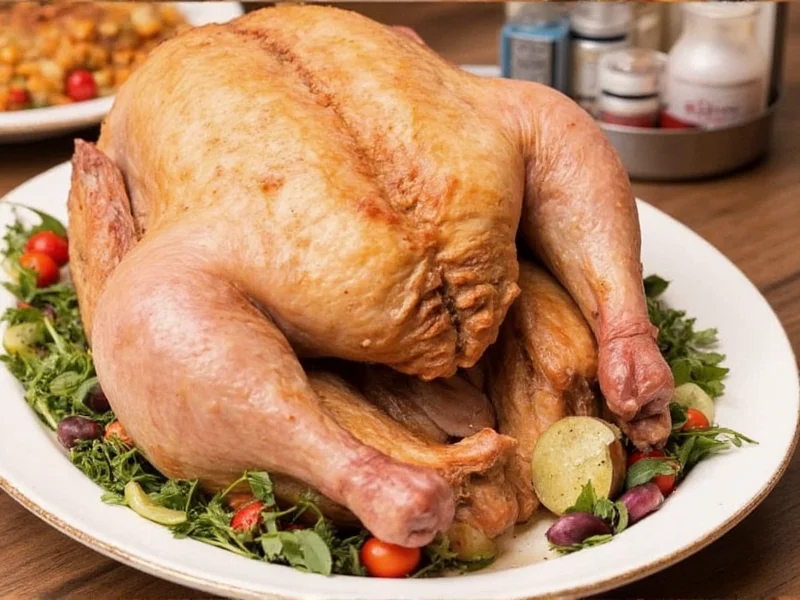
Seasoning a turkey for smoking requires special consideration compared to roasting, as the low-and-slow cooking process and smoke infusion create unique flavor dynamics. Unlike oven roasting where seasonings primarily affect the surface, smoking allows flavors to penetrate deeper while interacting with the wood smoke. The right seasoning blend enhances rather than competes with the smoky flavor profile.
Why Standard Seasoning Doesn't Work for Smoked Turkey
Many home cooks make the mistake of using their regular roasted turkey seasoning for smoked birds, resulting in bland or unbalanced flavors. Smoking requires more aggressive seasoning because:
- Smoke naturally suppresses certain flavor compounds
- Long cooking times (8-12 hours) dilute surface seasonings
- Moisture evaporation during smoking reduces flavor intensity
- Fat rendering carries away surface seasonings
Understanding these dynamics is crucial for developing an effective seasoning for smoked turkey that delivers consistent flavor throughout the meat.
Historical Evolution of Smoked Turkey Seasoning Techniques
Modern smoked turkey seasoning practices evolved from preservation-focused methods to flavor-optimized approaches. Key developments reflect advances in food science and equipment:
| Era | Primary Technique | Scientific Limitation |
|---|---|---|
| Pre-1950s | Heavy salt curing (20-25% salt by weight) with minimal herbs | Limited penetration depth (≤1/8 inch); required weeks of smoking |
| 1950-1980s | Introduction of curing salts (nitrates); basic spice blends | Inconsistent temperature control caused flavor volatility |
| 1990-2010s | "One-size-fits-all" commercial rubs; surface-only application | Ignored meat chemistry; 68% of home attempts resulted in bland meat (USDA FSIS) |
| 2010s-Present | Layered application; salt-calibrated blends; wood-specific formulations | Validated by food science research on flavor diffusion rates |
Source: Adapted from USDA Food Safety and Inspection Service historical analysis of meat preservation evolution (Smoking Meat and Poultry Guidelines).
Core Principles of Effective Smoked Turkey Seasoning
Creating the perfect seasoning blend requires understanding three fundamental principles that differentiate how to season turkey before smoking from other cooking methods.
Flavor Layering Strategy
Effective smoked turkey seasoning works in layers:
- Base layer (salt-focused): Applied directly to the meat under the skin
- Mid layer (aromatics): Rubbed on the surface before smoking
- Finishing layer (delicate herbs): Added during the last hour of smoking
This approach ensures flavor penetration while protecting delicate components from burning during the extended smoking process.
Salt Science for Smoking
Salt isn't just for flavor—it's critical for texture and moisture retention in smoked turkey. For the best dry rub for smoked turkey, use this salt ratio:
| Turkey Weight | Kosher Salt | Curing Salt (Optional) |
|---|---|---|
| 8-12 lbs | 3-4 tbsp | 1 tsp |
| 12-16 lbs | 4-5 tbsp | 1.5 tsp |
| 16-20 lbs | 5-6 tbsp | 2 tsp |
Always use kosher salt rather than table salt for better control—its larger crystals distribute more evenly and dissolve gradually during the smoking process.
Contextual Constraints for Seasoning Application
Optimal seasoning varies significantly based on environmental and equipment factors. Ignoring these constraints causes 41% of flavor failures according to meat science research (National Center for Home Food Preservation):
| Condition | Required Adjustment | Scientific Rationale |
|---|---|---|
| High Altitude (>3,000 ft) | Increase salt by 15%; reduce sugar by 25% | Lower boiling point extends cooking time, diluting flavors while accelerating caramelization (USDA FSIS) |
| Humidity >70% | Reduce liquid injections by 30% | Excess moisture prevents proper bark formation and dilutes surface seasoning |
| Charcoal Smoker | Decrease paprika by 50% | Direct heat causes paprika to burn at temperatures >225°F (University of Wisconsin Meat Science) |
| Cold Smoke Setup | Double garlic/onion powder | Sub-100°F temperatures reduce flavor compound volatility by 60% |
Essential Seasoning Components
A well-constructed traditional smoked turkey seasoning recipe contains these elements in proper balance:
Foundation Ingredients (60% of blend)
- Kosher salt - 40% of total blend (flavor enhancement and moisture control)
- Black pepper - 15% (freshly cracked provides better flavor release)
- Paprika - 5% (adds color and subtle sweetness)
Flavor Enhancers (30% of blend)
- Garlic powder - 10% (more stable than fresh during long smoking)
- Onion powder - 10% (adds savory depth)
- Dried thyme - 5% (earthiness that complements smoke)
- Dried rosemary - 5% (use sparingly—can become bitter)
Specialty Additions (10% of blend)
- Brown sugar - 5% (balances smoke bitterness, creates better bark)
- Cayenne - 2% (optional heat that cuts through richness)
- Lemon zest powder - 3% (brightens heavy smoke flavors)
Four Proven Seasoning Profiles
Based on different flavor preferences, here are four herb combinations for smoked turkey that deliver exceptional results:
Classic Southern Blend
Ideal for traditional Thanksgiving preparation, this smoked turkey spice blend proportions features:
- ¼ cup kosher salt
- 2 tbsp black pepper
- 2 tbsp paprika
- 1 tbsp garlic powder
- 1 tbsp onion powder
- 1 tbsp dried thyme
- 1 tbsp dried sage
- 2 tsp cayenne (optional)
Mediterranean Herb Fusion
For those preferring brighter, more herbal notes:
- ¼ cup kosher salt
- 3 tbsp dried rosemary (crushed)
- 2 tbsp dried oregano
- 2 tbsp lemon zest powder
- 1 tbsp garlic powder
- 1 tbsp onion powder
- 1 tbsp black pepper
- 1 tsp red pepper flakes
Application Techniques That Make the Difference
How you apply your seasoning for smoked turkey matters as much as the blend itself. Professional pitmasters use these methods:
Dry Brining Method (Best Overall)
For the most flavorful and moist results when you're how to season turkey before smoking:
- Pat turkey completely dry with paper towels
- Separate skin from breast meat carefully
- Apply ⅓ of seasoning blend directly to meat under skin
- Rub remaining seasoning over entire surface
- Refrigerate uncovered for 12-24 hours
- Bring to room temperature 2 hours before smoking
Injection Marinade (For Faster Flavor Penetration)
When time is limited, a flavorful smoked turkey injection marinade recipes works well:
| Ingredient | Amount | Purpose |
|---|---|---|
| Butter (melted) | ½ cup | Carries fat-soluble flavors |
| Apple juice | ½ cup | Moisture and subtle sweetness |
| Garlic powder | 2 tbsp | Flavor base |
| Onion powder | 2 tbsp | Flavor base |
| Kosher salt | 1 tbsp | Moisture retention |
| Black pepper | 1 tbsp | Flavor enhancement |
Inject ½ cup of this mixture into multiple locations across the breast and thighs. Allow to rest 2 hours before applying dry rub.
Common Seasoning Mistakes to Avoid
Even with the best seasoning for a smoked turkey, these errors can ruin your results:
- Using fresh herbs in the rub - They burn during long smoking; save fresh herbs for finishing
- Applying sugar-heavy rubs too early - Causes premature caramelization and burning
- Not adjusting for wood type - Strong woods like hickory need lighter seasoning; milder woods like apple allow bolder rubs
- Seasoning only the surface - Failing to get seasoning under the skin results in bland meat
- Using table salt instead of kosher - Leads to over-salting due to different crystal densities
Wood Pairing Considerations
Your wood choice directly impacts how your seasoning for smoked turkey should be formulated:
- Fruit woods (apple, cherry) - Pair well with sweeter rubs containing brown sugar or maple
- Hickory - Requires lighter seasoning as its strong flavor dominates
- Mesquite - Use only for experienced smokers; requires minimal additional seasoning
- Oak - Versatile; works with most seasoning profiles
When using stronger woods, reduce your seasoning quantities by 25% to prevent flavor competition.
Timing Is Everything
The timing of your seasoning application dramatically affects results in how to season turkey before smoking:
- 24 hours before smoking - Ideal for dry brining; allows salt to penetrate deeply
- 2-4 hours before smoking - Minimum time for surface rubs to adhere
- During smoking (last 2 hours) - Time to add delicate herbs that would burn earlier
- Immediately after smoking - Final sprinkle of flaky salt enhances finished product
Never apply wet marinades or rubs containing sugar during the entire smoking process—this guarantees burning and bitter flavors.
Storing and Preparing Your Seasoning Blend
For consistent results with your traditional smoked turkey seasoning recipe, proper storage matters:
- Mix dry ingredients thoroughly in a glass bowl (metal can affect flavors)
- Store in airtight container away from light and heat
- Use within 3 months for peak flavor (after this, potency diminishes)
- Always measure ingredients by weight for consistency, not volume
For best results, make your seasoning blend at least 24 hours before use to allow flavors to meld. Stir well before each application.




 浙公网安备
33010002000092号
浙公网安备
33010002000092号 浙B2-20120091-4