
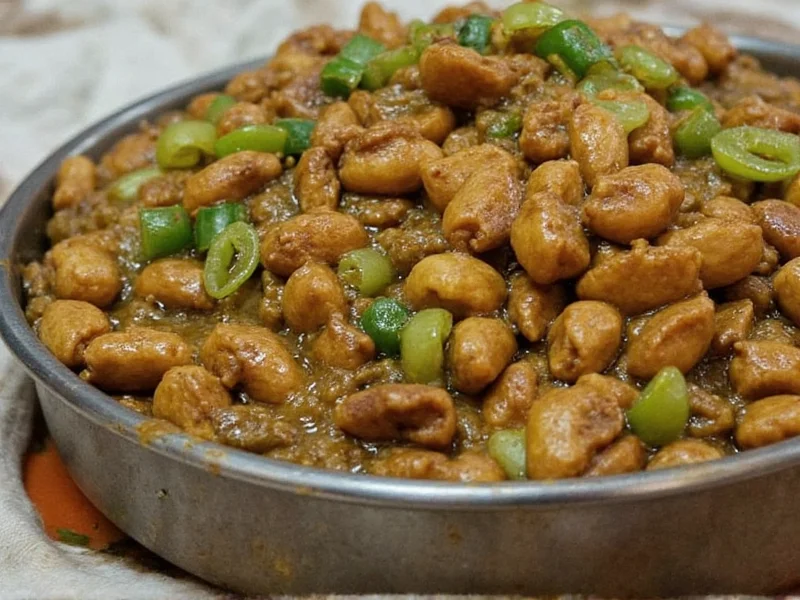
Indonesian cuisine relies heavily on kecap manis as a fundamental flavor component. This traditional condiment transforms ordinary dishes into authentic Southeast Asian culinary experiences through its unique balance of sweetness and umami. Understanding how to properly use kecap manis can elevate your cooking and introduce you to the rich flavors of Indonesian gastronomy.
What Makes Kecap Manis Unique
Kecap manis stands apart from other soy-based sauces due to its specific production process and ingredient composition. Traditional Indonesian kecap manis undergoes a months-long fermentation process where soybeans, roasted grains, and palm sugar slowly transform into a complex, flavorful condiment. The addition of palm sugar (gula jawa) during fermentation creates its signature sweetness and viscous texture.
Unlike Chinese sweet soy sauces that often use refined sugar, authentic kecap manis relies on natural palm sugar which contributes caramel-like notes and a subtle smokiness. This traditional preparation method results in a more nuanced flavor profile compared to commercially produced alternatives that might use thickeners and artificial sweeteners.
| Sauce Type | Texture | Sweetness Level | Primary Use |
|---|---|---|---|
| Kecap Manis | Thick, syrupy | High (natural palm sugar) | Marinades, glazes, finishing sauce |
| Regular Soy Sauce | Thin, watery | Low | Seasoning, cooking base |
| Chinese Sweet Soy | Moderately thick | High (refined sugar) | Stir-fries, dipping sauces |
| Kecap Asin | Thin | None | Cooking base, seasoning |
Traditional Production Process
The authentic production of kecap manis begins with whole soybeans that undergo careful washing and cooking. After cooking, the soybeans mix with roasted grains (typically wheat or rice) and a fermentation starter called koji. This mixture ferments for several days, developing enzymes that break down proteins and starches.
The second fermentation stage introduces palm sugar and water, allowing the mixture to mature for several months. During this extended period, natural yeasts and bacteria transform the ingredients into a complex sauce with deep umami flavors and natural sweetness. Traditional producers often age kecap manis in earthenware jars exposed to sunlight, which accelerates the Maillard reaction and develops richer flavors.
Historical Evolution of Kecap Manis
Tracing kecap manis' development reveals Indonesia's culinary adaptation of foreign influences into a distinct national identity. Historical analysis shows three critical evolution phases:
- 17th-18th Century: Chinese immigrants introduced soy-based sauces using the Hokkien term "kê-chiap" (originally fish sauce). Local producers substituted palm sugar for fish components, creating early sweet soy variants. Source: SoyInfo Center - Historical Documentation
- 19th Century: Palm sugar integration became standardized across Java, with regional variations emerging. Dutch colonial records from 1860 note "ketjap manis" as a distinct product in Batavia (Jakarta) markets. Source: Netherlands National Archives - Colonial Trade Records
- 20th Century: Industrial production began with ABC (1923) and Bango (1933), preserving traditional methods while scaling output. Post-independence, kecap manis was designated a national culinary symbol under Indonesia's Ministry of Education and Culture. Source: Indonesian Ministry of Education - Cultural Heritage Registry
This progression transformed a foreign concept into an inseparable element of Indonesian cultural identity, with traditional production methods protected under national heritage guidelines.
Culinary Applications of Kecap Manis
Understanding how to use kecap manis properly makes all the difference in achieving authentic Indonesian flavors. This versatile condiment serves multiple functions in Southeast Asian cooking:
- Marinades: Combine kecap manis with garlic, ginger, and lime juice for satay or grilled meats
- Stir-fry base: Add during the final minutes of cooking to preserve its delicate flavors
- Finishing sauce: Drizzle over completed dishes for glossy appearance and flavor enhancement
- Dipping sauce component: Mix with chili, lime, and garlic for satay accompaniment
- Rice and noodle dishes: Essential ingredient in nasi goreng and mie goreng
When cooking with kecap manis, remember that its high sugar content means it can burn easily. Add it toward the end of cooking rather than at the beginning to preserve its complex flavors and prevent caramelization from becoming bitter.
Contextual Limitations and Practical Boundaries
While versatile, kecap manis has specific constraints affecting its culinary application. Recognizing these boundaries prevents recipe failures and aligns with dietary requirements:
- Sugar Sensitivity: Contains 10g sugar per tablespoon (USDA), making it unsuitable for diabetic diets without modification. Source: USDA FoodData Central - Sweet Soy Sauce Analysis
- Heat Threshold: Burns at temperatures exceeding 149°C (300°F). Never use for high-heat searing or as primary liquid in boiling applications. Exception: Reduced slowly with constant stirring for glazes.
- Regional Authenticity: Javanese cuisine uses generous amounts, while Sumatran dishes prefer kecap asin. Substituting kecap manis in Padang-style rendang fundamentally alters regional authenticity.
- Substitute Limitations: Homemade blends (soy sauce + sugar) lack enzymatic complexity from months-long fermentation. Acceptable for quick meals but inadequate for ceremonial dishes like tumpeng where depth matters.
These contextual boundaries ensure cooks make informed decisions about when kecap manis enhances a dish versus when alternatives are preferable.
Finding Quality Kecap Manis
Locating authentic kecap manis requires attention to ingredient lists and production methods. When shopping for this essential Indonesian ingredient, look for products where the primary ingredients include soybeans, palm sugar (gula jawa), water, and salt. Avoid brands that list corn syrup, artificial colors, or thickeners like xanthan gum as primary ingredients.
Traditional Indonesian brands like ABC, Indofood, and Bango remain popular choices for authentic kecap manis. These brands typically offer better flavor complexity compared to Western-produced alternatives. Check the label for mentions of "traditional fermentation" or "naturally brewed" to ensure you're getting a quality product.
For those interested in homemade versions, creating authentic kecap manis requires patience. A simplified home recipe involves simmering equal parts regular soy sauce and palm sugar with star anise and garlic until reduced by half. While not identical to traditionally fermented versions, this quick alternative works well for immediate cooking needs.
Substitutes and Alternatives
When kecap manis isn't available, several alternatives can approximate its flavor profile depending on your specific recipe requirements. The best kecap manis substitute combines sweetness with soy sauce's umami depth:
- Homemade blend: Mix 2 parts soy sauce with 1 part molasses or palm sugar, plus a splash of rice vinegar
- Chinese sweet soy sauce: Works in a pinch but lacks the complex caramel notes of palm sugar
- Tamari with brown sugar: Good gluten-free alternative with similar viscosity
- Maggi seasoning with honey: Provides umami but differs significantly in flavor profile
Remember that no substitute perfectly replicates authentic kecap manis. The unique combination of palm sugar fermentation creates flavors that simple sweetened soy sauce cannot match. For traditional Indonesian recipes, seeking out genuine kecap manis produces noticeably better results.
Nutritional Profile and Storage
Kecap manis contains approximately 15-20 calories per tablespoon, with most calories coming from natural sugars. Unlike many sweetened condiments, traditionally made kecap manis derives its sweetness from palm sugar rather than refined sugars. It provides small amounts of protein and iron from the fermented soybeans.
Proper storage maintains kecap manis quality and shelf life. Keep unopened bottles in a cool, dark pantry for up to 18 months. Once opened, refrigerate to preserve flavor and prevent spoilage. Quality kecap manis develops richer flavors over time when properly stored, similar to aged balsamic vinegar.




 浙公网安备
33010002000092号
浙公网安备
33010002000092号 浙B2-20120091-4