
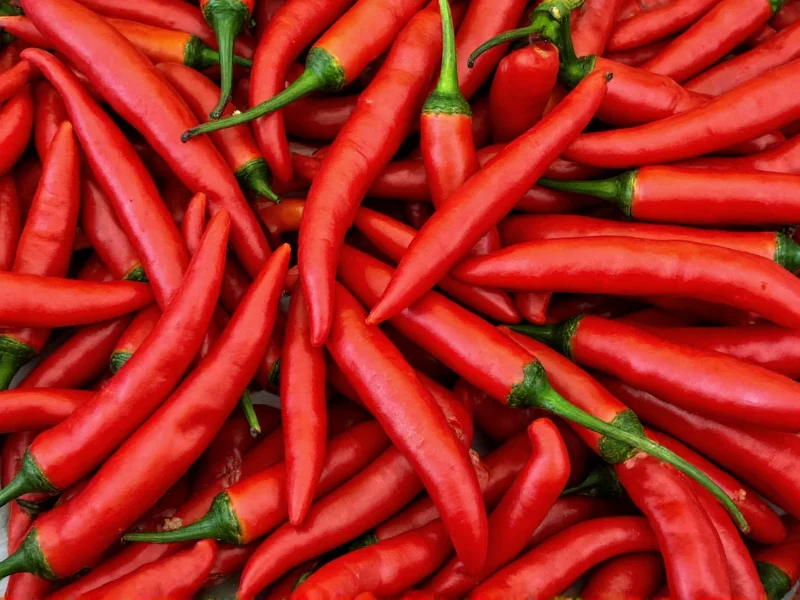
Pepper enthusiasts and culinary adventurers have long been fascinated by the quest for the world's hottest pepper. Understanding extreme heat levels requires knowledge of the Scoville scale, developed in 1912 by pharmacist Wilbur Scoville, which measures the concentration of capsaicinoids—the compounds responsible for a pepper's burn. While many peppers claim extraordinary heat, only scientifically verified measurements provide reliable data for comparing these fiery fruits.
The Science Behind Pepper Heat
Pepper heat comes from capsaicin and related compounds collectively called capsaicinoids. These substances trigger pain receptors in the mouth and throat, creating the burning sensation we associate with spicy food. The Scoville Organoleptic Test originally measured heat through human tasters diluting pepper extracts until the burn became undetectable. Modern high-performance liquid chromatography (HPLC) provides more precise measurements by quantifying capsaicinoid concentration, then converting to Scoville Heat Units (SHU) using a standard formula.
Verified Hottest Peppers in the World
While many peppers claim extraordinary heat levels, only those with laboratory-verified Scoville ratings should be considered for accurate comparison. Unverified claims often circulate online, but scientific testing remains the gold standard for determining true heat levels.
| Pepper Variety | Average SHU | Peak SHU | Origin | Verification Status |
|---|---|---|---|---|
| Carolina Reaper | 1,641,183 | 2,200,000 | South Carolina, USA | Guinness World Records certified |
| Trinidad Moruga Scorpion | 1,200,000 | 2,009,231 | Trinidad and Tobago | University of Chile verified |
| 7 Pot Douglah | 1,000,000 | 1,853,936 | Trinidad | Multiple lab verified |
| Naga Viper | 1,348,000 | 1,382,118 | UK (hybrid) | University of New Mexico verified |
| Ghost Pepper (Bhut Jolokia) | 855,000 | 1,041,427 | India | Guinness World Records certified (2007-2011) |
Evolution of the Verified World's Hottest Pepper Records
The title of "world's hottest pepper" has changed hands through rigorous scientific verification. Here's the officially recognized progression:
- 2007-2011: Ghost Pepper (Bhut Jolokia) - Certified by Guinness World Records with an average of 855,000 SHU and peaks up to 1,041,427 SHU. Source: Guinness World Records
- 2011-2013: Trinidad Scorpion Butch T - Verified by Guinness World Records with a peak of 1,464,000 SHU. This specific pepper, cultivated by Butch Taylor of Zydeco Hot Sauce, surpassed the Ghost Pepper. Source: Guinness World Records announcement
- 2013-Present: Carolina Reaper - Certified by Guinness World Records with an average of 1,641,183 SHU and peaks up to 2,200,000 SHU. Developed by Ed Currie of PuckerButt Pepper Company, it remains the verified hottest edible pepper. Source: Guinness World Records announcement
Note: While the Trinidad Moruga Scorpion variety has been measured at over 2 million SHU in academic studies (e.g., University of Chile, 2012), it was never officially certified by Guinness World Records as the singular hottest pepper. The verified record progression reflects only those peppers that underwent the Guinness certification process.
Understanding the Scoville Scale in Context
To appreciate the extreme heat of these peppers, consider how they compare to more familiar varieties:
- Bell pepper: 0 SHU (no heat)
- Jalapeño: 2,500-8,000 SHU
- Habanero: 100,000-350,000 SHU
- Carolina Reaper: 1,400,000-2,200,000 SHU
- Pure capsaicin: 16,000,000 SHU
A single Carolina Reaper is approximately 275 times hotter than a typical jalapeño. The human threshold for capsaicin detection begins around 0.01-0.1 ppm (100-1,000 SHU), while police-grade pepper spray ranges from 2,000,000 to 5,300,000 SHU—making it significantly hotter than even the Carolina Reaper.
Safety Considerations for Handling Super Hot Peppers
Working with the world's hottest peppers requires serious precautions. Capsaicin is oil-based and can cause severe irritation to skin, eyes, and mucous membranes. When handling extreme peppers like the Carolina Reaper or Trinidad Moruga Scorpion:
- Always wear nitrile gloves (latex won't protect against capsaicin)
- Avoid touching your face, especially eyes and nose
- Work in a well-ventilated area to prevent inhaling capsaicin particles
- Have dairy products like milk or yogurt nearby to neutralize burns
- Never use plastic bags for storage—capsaicin can leach through plastic
- Wash all surfaces and tools thoroughly with soapy water after handling
If you experience severe burning, apply milk or yogurt to affected areas rather than water, which can spread the capsaicin oil. In case of accidental eye contact, flush with water for 15 minutes and seek medical attention if irritation persists.
Contextual Boundaries: Understanding Limitations of Extreme Heat
Scoville ratings provide objective measurements, but practical application requires understanding these critical limitations:
- Biological Variability: Heat levels in super-hot peppers vary significantly within the same plant and across growing conditions. A Carolina Reaper's SHU can range from 1.4 million to 2.2 million based on soil nutrients, water stress, and sunlight. This makes "average" ratings unreliable for individual peppers. Source: NCBI study on capsaicinoid variability
- Measurement-Perception Gap: HPLC testing quantifies capsaicinoids but doesn't capture human sensory experience. Two peppers with identical SHU ratings may produce different burn intensities due to varying capsaicinoid profiles. The conversion formula from HPLC to SHU also introduces estimation errors. Source: Journal of Agricultural and Food Chemistry analysis
- Culinary Thresholds: Beyond 500,000 SHU, peppers become increasingly impractical for cooking. Flavor complexity peaks in the habanero range (100,000-350,000 SHU), while super-hots (>1 million SHU) primarily contribute heat with minimal flavor contribution. Professional chefs note that extracts are required for even distribution, as whole peppers create unpredictable "heat bombs". Source: Food Research International sensory study
- Health Contraindications: Individuals with gastrointestinal conditions (IBS, GERD, IBD) should strictly avoid super-hot peppers. Capsaicin can trigger severe inflammation and mucosal damage. The American College of Gastroenterology explicitly lists spicy foods as GERD triggers and advises elimination in symptom management. Source: American College of Gastroenterology GERD guidelines
Culinary Applications of Extreme Heat Peppers
Despite their intense heat, the world's hottest peppers offer complex flavor profiles beyond just burn. The Carolina Reaper, for example, has distinct fruity and sweet notes with hints of cinnamon before the intense heat sets in. Chefs and hot sauce makers use these peppers sparingly to create signature products:
- Hot sauces: A single Carolina Reaper can flavor an entire batch of sauce
- Infused oils: Provides heat without overwhelming texture
- Dried powders: For precise heat control in cooking
- Specialty dishes: Used in minute quantities for heat challenges
When cooking with super hot peppers, remember that heat distribution is critical. Always mix thoroughly and taste cautiously. Many professional kitchens use dedicated equipment for handling these peppers to prevent cross-contamination with other foods.
Pepper Heat Records and Verification Challenges
The race for the world's hottest pepper has become increasingly competitive, with many unverified claims circulating online. Reputable verification requires:
- Multiple samples from mature plants
- Testing by accredited laboratories using HPLC
- Consistent results across multiple growing seasons
- Documentation of growing conditions
Many so-called "hottest peppers" lack proper verification. For instance, Dragon's Breath and Pepper X have generated significant buzz but lack the consistent, independently verified testing required for official recognition. The Carolina Reaper maintains its status as the verified hottest due to rigorous testing protocols and reproducible results.
Growing the World's Hottest Peppers
Cultivating extreme heat peppers requires specific conditions:
- Long growing season (90-150 days)
- Warm temperatures (75-90°F during day, 65-75°F at night)
- Well-draining soil with consistent moisture
- Stress factors like controlled drought can increase capsaicin production
- Hand pollination often necessary for maximum fruit set
Gardeners attempting to grow these peppers should note that heat levels can vary significantly based on growing conditions. The same plant might produce peppers ranging from "merely" very hot to record-breaking levels depending on environmental stressors.
The Future of Super Hot Peppers
Breeding programs continue to push the boundaries of pepper heat, though practical limitations exist. At a certain point, extreme heat becomes counterproductive for culinary use. Some researchers suggest we may be approaching biological limits for capsaicin production in Capsicum chinense varieties. Future developments may focus more on flavor complexity alongside heat rather than pure Scoville ratings.
Responsible Consumption of Extreme Heat Peppers
While pepper eating contests have gained popularity, consuming the world's hottest peppers carries genuine health risks. Documented effects include:
- Thunderclap headaches (reversible but extremely painful)
- Gastrointestinal distress
- Temporary loss of consciousness
- Esophageal damage in extreme cases
Medical professionals advise against consuming pure extracts or large quantities of the hottest peppers. If attempting to eat an extreme pepper, start with minuscule amounts and have dairy products available to mitigate the burn. Individuals with gastrointestinal conditions should avoid these peppers entirely.




 浙公网安备
33010002000092号
浙公网安备
33010002000092号 浙B2-20120091-4