
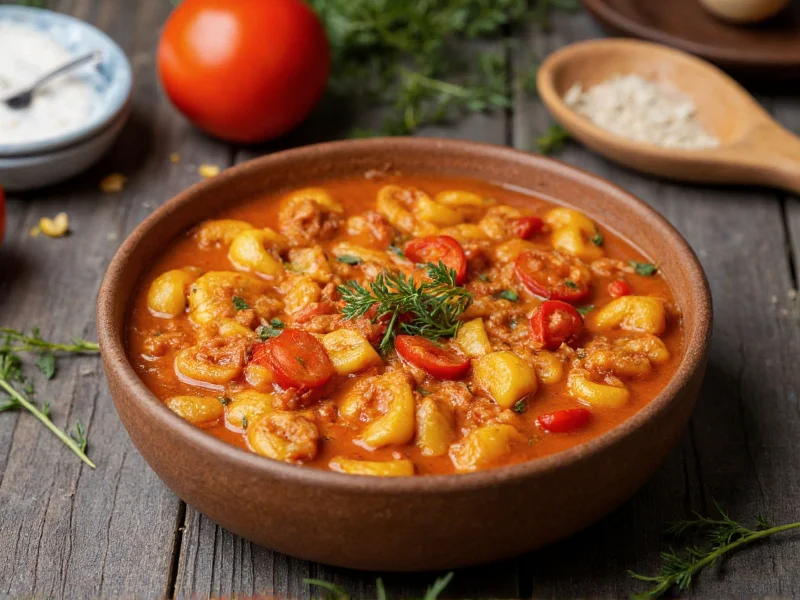
Tangy is one of the most sought-after flavor profiles in global cuisines, yet many confuse it with simple sourness. This nuanced taste sensation plays a crucial role in balancing dishes and awakening the palate. Understanding what makes a flavor tangy helps both home cooks and professional chefs create more dynamic culinary experiences.
Defining the Tangy Flavor Profile
When exploring what does tangy mean in food, we're examining a specific sensory experience. Tangy flavors deliver a zesty, refreshing quality that's more complex than straightforward sourness. The tangy taste characteristics include:
- A moderate level of acidity that's noticeable but not harsh
- Complex layers that often include subtle sweet or savory notes
- A bright quality that cuts through richness in dishes
- A refreshing quality that cleanses the palate
- Aromatic components that contribute to the overall sensory experience
The magic of tangy flavors lies in their ability to enhance other ingredients without dominating them. This makes tangy flavor profile explained essential knowledge for anyone serious about cooking or food appreciation.
Tangy vs. Sour: Understanding the Critical Differences
Many people use "tangy" and "sour" interchangeably, but they represent distinct sensory experiences:
| Characteristic | Tangy | Sour |
|---|---|---|
| Acidity Level | Moderate, balanced | High, dominant |
| Flavor Complexity | Multi-dimensional with supporting notes | Primarily acidic |
| Palate Effect | Refreshing, awakening | Sharp, sometimes puckering |
| Culinary Function | Balances and enhances other flavors | Provides primary acidic component |
| Common Examples | Ripe tomatoes, aged cheeses, citrus marmalade | Lemon juice, vinegar, unripe fruit |
Understanding the difference between tangy and sour is crucial for developing sophisticated flavor profiles in cooking. While sourness focuses primarily on acidity, tanginess incorporates additional flavor dimensions that create a more rounded experience.
Natural Sources of Tangy Flavors
Many ingredients naturally develop tangy characteristics through fermentation, aging, or ripening processes. The most common tangy foods and ingredients include:
Dairy Products
Fermented dairy creates some of the most beloved tangy flavors. Yogurt, buttermilk, sour cream, and aged cheeses like feta and goat cheese develop their characteristic tang through bacterial cultures that convert lactose to lactic acid. The scientific explanation of tangy flavors in dairy reveals how specific strains of bacteria produce compounds that create complex flavor profiles beyond simple acidity.
Fruits
Certain fruits reach their tangy peak when perfectly ripe. Tomatoes (yes, botanically a fruit!), citrus varieties like tangerines and clementines, and stone fruits such as apricots and peaches develop tangy notes as they ripen. The balance of sugars and acids in these fruits creates that distinctive tangy sensation that's more complex than the sourness of unripe fruit.
Fermented Foods
Fermentation is perhaps the most reliable method for developing tangy flavors. Sauerkraut, kimchi, pickles, and kombucha all achieve their characteristic tang through controlled fermentation processes. These foods demonstrate how how to balance tangy flavors in cooking can transform simple ingredients into complex flavor enhancers.
The Science Behind Tangy Sensations
Tanginess results from a precise balance of acids, sugars, and aromatic compounds. The primary acids responsible for tangy flavors include citric acid (in citrus fruits), malic acid (in apples and grapes), and lactic acid (in fermented products). What makes these acids create a tangy rather than purely sour experience is their concentration and interaction with other flavor compounds.
Research shows that tangy flavors activate multiple taste receptors simultaneously. While sourness primarily stimulates the acid-sensitive receptors, tangy flavors engage sweet, salty, and even umami receptors to create a more rounded sensory experience. This multisensory engagement explains why tangy flavors feel more complex and satisfying than simple sourness.
Contextual Boundaries of Tangy Flavor Application
Effective use of tangy elements requires understanding their functional limitations within specific culinary contexts. These boundaries, established through both tradition and food science, prevent common pitfalls:
- Thermal Sensitivity: Volatile aromatic compounds essential to tangy complexity degrade when exposed to prolonged high heat. The Culinary Institute of America recommends adding citrus juices or vinegars during the final stages of cooking to preserve their bright, complex character (CIA Culinary Science, 2022).
- Dairy Stability Constraints: Acidic ingredients cause casein proteins in dairy to coagulate when heated. University of Georgia Extension guidelines specify that cream-based soups must be cooled below 60°C (140°F) before incorporating tomatoes or vinegar to maintain emulsion stability (UGA Extension, 2018).
- Cultural Acceptance Thresholds: Sensory research reveals significant geographical variation in optimal tanginess levels. A cross-cultural study in Food Quality and Preference found that German consumers preferred cheeses with higher lactic acid concentrations than American consumers before rating them as "excessively tangy" (DOI: 10.1016/j.foodqual.2020.104012).
Using Tangy Elements Effectively in Cooking
Mastering tangy flavors can elevate your cooking from good to exceptional. Consider these techniques for incorporating tangy elements:
- Finish with acidity: Add tangy components like citrus juice or vinegar at the end of cooking to preserve their bright quality
- Balance richness: Use tangy elements to cut through fatty or heavy dishes (think tzatziki with gyros)
- Create contrast: Pair tangy ingredients with sweet or savory components for dynamic flavor profiles
- Build layers: Incorporate multiple tangy elements at different stages of cooking for depth
- Adjust gradually: When working with tangy ingredients, add incrementally and taste frequently
Professional chefs understand that how to balance tangy flavors in cooking requires attention to the entire flavor profile. A dish that's perfectly balanced will have tangy elements that enhance rather than dominate.
Cultural Interpretations of Tangy Flavors
Different culinary traditions have unique relationships with tangy flavors. Southeast Asian cuisines often feature bold tangy elements through ingredients like tamarind and fish sauce. Mediterranean cooking relies on the natural tang of tomatoes, olives, and aged cheeses. Scandinavian cuisines showcase tangy notes through fermented fish and dairy products.
Exploring these cultural approaches provides valuable insights into tangy flavor profile explained across different culinary contexts. Each tradition has developed sophisticated methods for harnessing tangy elements to create balanced, complex dishes that satisfy the palate.
Evolution of Tangy Flavor Applications: A Historical Timeline
The utilization of tangy flavors has evolved significantly alongside culinary and scientific advancements. This timeline illustrates key milestones in our understanding and application of tangy profiles:
| Era | Key Developments | Impact on Tangy Flavors |
|---|---|---|
| 7000-6000 BCE | Earliest evidence of fermented beverages in Neolithic China | Laid foundation for controlled fermentation producing complex tangy notes in preserved foods |
| 2000 BCE | Korean development of kimchi fermentation techniques | Created vegetable-based dishes with balanced tanginess through lactic acid fermentation |
| 1680 CE | Antonie van Leeuwenhoek's microscope observations of "animalcules" | First scientific recognition of microorganisms enabling fermentation |
| 1857 CE | Louis Pasteur's publication "Researches on the Lactic Acid Fermentation" | Established scientific basis for controlled microbial processes creating consistent tangy flavors |
| 1930s | Industrial production of standardized yogurt cultures | Enabled reliable replication of tangy dairy profiles across commercial products |
| 2000s | Advances in taste receptor mapping (e.g., identification of sour taste receptors) | Refined understanding of why tangy differs from sour at neurological level |
Source: Adapted from Harvard University's Science in the News historical analysis of fermentation (Harvard SitN, 2017).
Developing Your Tangy Flavor Palate
Training your palate to recognize and appreciate tangy flavors takes practice. Start by comparing similar ingredients at different ripeness stages. Taste a green tomato versus a fully ripe one, or plain yogurt versus Greek yogurt. Note how the flavor profile changes from sour to tangy as ingredients develop.
When evaluating common tangy foods and ingredients, pay attention to how the tanginess interacts with other flavor elements. Does it provide brightness? Does it cut through richness? How does it change your perception of other ingredients in the dish? These observations will deepen your understanding of this essential flavor dimension.
Conclusion
Understanding tangy as a distinct flavor profile rather than just another word for sour elevates your culinary awareness and cooking abilities. The most successful dishes often incorporate tangy elements to create balance, brightness, and complexity. By recognizing common tangy foods and ingredients and learning how to balance tangy flavors in cooking, you can develop more sophisticated and satisfying dishes that engage the palate in meaningful ways. Whether you're a professional chef or home cook, mastering tangy flavors represents an essential step in flavor development expertise.




 浙公网安备
33010002000092号
浙公网安备
33010002000092号 浙B2-20120091-4