
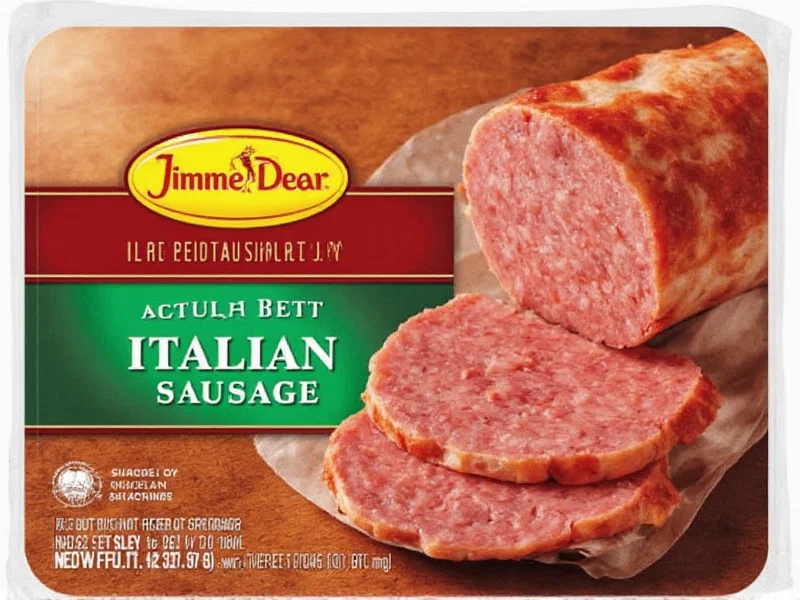
When searching for information about Jimmy Dean Italian Sausage, consumers typically want practical details about preparation, nutritional content, and culinary applications. This comprehensive guide delivers verified product information based on official packaging details and standard cooking practices for this widely available breakfast meat.
Product Overview and Varieties
Jimmy Dean offers two primary varieties of Italian Sausage that cater to different flavor preferences:
| Variety | Key Characteristics | Heat Level |
|---|---|---|
| Hot Italian | Contains red pepper flakes and cayenne | Moderate to spicy |
| Sweet Italian | Features fennel and black pepper without heat | Mild |
Both varieties come in multiple formats including links (individual sausages), patties, and bulk crumbles. The 12-ounce packages typically contain 8-10 sausage links depending on the specific product line. For those following specific dietary patterns, it's important to note these sausages contain pork and are not suitable for halal, kosher, or vegetarian diets.
Nutritional Profile and Dietary Considerations
Understanding the nutritional content of Jimmy Dean Italian Sausage helps consumers make informed choices. A standard serving (55g or approximately 2 links) provides:
- Calories: 140-160
- Total Fat: 12-14g (including 4.5-5g saturated fat)
- Cholesterol: 40-50mg
- Sodium: 500-550mg
- Protein: 11-12g
- Carbohydrates: 1-2g
While convenient and protein-rich, these sausages qualify as processed meats. Health-conscious consumers should consider portion control and balance with vegetables or whole grains. Those monitoring sodium intake should note that a single serving provides about 22-24% of the recommended daily sodium limit.
Optimal Cooking Methods for Best Results
Mastering jimmy dean italian sausage cooking instructions ensures perfect texture and flavor every time. Despite being fully cooked, proper heating enhances taste and texture:
Skillet Method (Recommended)
Place sausages in a cold non-stick skillet. Cook over medium heat for 6-8 minutes, turning occasionally until golden brown and internal temperature reaches 165°F. This method creates the best caramelization while preventing bursting.
Oven Preparation
For multiple servings, arrange sausages on a baking sheet. Heat at 350°F for 12-15 minutes until thoroughly heated. This how to cook jimmy dean italian sausage technique works well when preparing for gatherings.
Quick Microwave Option
Place 2 sausages on a microwave-safe plate. Cover with a paper towel and microwave on HIGH for 45-60 seconds. While fastest, this method produces less desirable texture compared to other techniques.
Culinary Applications and Recipe Ideas
Beyond standalone breakfast service, Jimmy Dean Italian Sausage serves as a versatile ingredient. These jimmy dean italian sausage recipes demonstrate its culinary flexibility:
Italian Sausage Breakfast Skillet
Cook 4 sausage links according to package directions. In the same skillet, add 1 diced bell pepper, ½ diced onion, and 1 cup sliced mushrooms. Sauté until vegetables soften. Add 4 beaten eggs and cook until set. Top with fresh parsley for a complete breakfast dish ready in under 15 minutes.
Pasta Sauce Enhancement
Brown crumbled Sweet Italian Sausage and add to your favorite marinara sauce. Simmer for 10 minutes to infuse the sauce with authentic Italian sausage flavor. This technique elevates simple pasta dishes with minimal effort.
Storage and Food Safety Guidelines
Proper handling ensures optimal quality and safety when working with jimmy dean hot italian sausage ingredients. Unopened packages remain fresh in the refrigerator until the 'use by' date. After opening, consume within 7 days. For longer storage, freeze in original packaging for up to 2 months.
Never thaw frozen sausage at room temperature. Instead, transfer to the refrigerator 24 hours before planned use or thaw in cold water. Always verify internal temperature reaches 165°F when reheating to ensure food safety.
Comparing Jimmy Dean to Other Brands
When evaluating jimmy dean italian sausage nutrition facts against competitors, several factors distinguish this product:
- Consistent seasoning blend across production batches
- Wider retail availability compared to regional brands
- Lower price point than premium organic sausage options
- Shorter ingredient list than some specialty brands
While not positioned as a premium product, Jimmy Dean delivers reliable flavor and convenience that explains its market presence. Consumers seeking artisanal or organic options may prefer specialty brands, but for everyday use, Jimmy Dean provides consistent results.
Frequently Asked Questions
Can you cook Jimmy Dean Italian Sausage from frozen?
Yes, you can cook Jimmy Dean Italian Sausage directly from frozen. Add 2-3 minutes to the standard cooking time when using skillet or oven methods. For best results, place frozen sausages in a cold skillet and cook over medium heat for 8-10 minutes, turning occasionally until golden brown and internal temperature reaches 165°F.
What are the main ingredients in Jimmy Dean Italian Sausage?
The primary ingredients include pork, water, corn syrup, salt, spices (including fennel, garlic powder, and red pepper flakes for hot variety), paprika, and natural flavors. The exact formulation varies slightly between hot and sweet varieties, with the hot version containing cayenne pepper and crushed red pepper.
How long does cooked Jimmy Dean Italian Sausage last in the refrigerator?
Properly stored in an airtight container, cooked Jimmy Dean Italian Sausage remains safe to eat for 3-4 days in the refrigerator. Always cool the sausage completely before storing and reheat to an internal temperature of 165°F before serving again.
Is Jimmy Dean Italian Sausage gluten-free?
Yes, Jimmy Dean Italian Sausage is gluten-free. The product contains no wheat, barley, rye, or other gluten-containing ingredients. However, always check the specific package you purchase as formulations can change, and verify the 'gluten-free' claim on the packaging for the most current information.
Can you use Jimmy Dean Italian Sausage in place of regular Italian sausage in recipes?
Yes, you can substitute Jimmy Dean Italian Sausage in most recipes calling for Italian sausage. Since it's fully cooked, reduce cooking time compared to raw sausage. For pasta sauces or casseroles, add it during the final 5-10 minutes of cooking to prevent overcooking while allowing flavors to blend.




 浙公网安备
33010002000092号
浙公网安备
33010002000092号 浙B2-20120091-4