
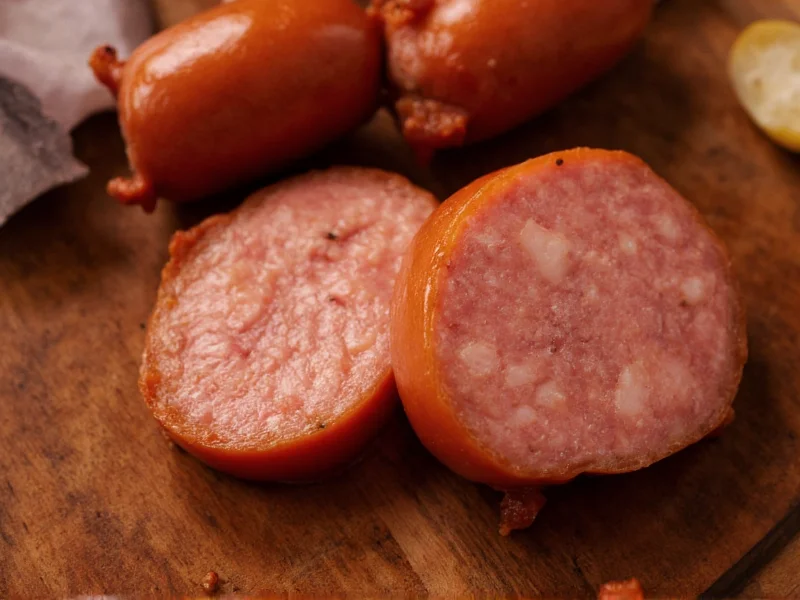
When evaluating light sausage options for your breakfast routine, understanding the nutritional trade-offs is essential. Jimmy Dean offers several "Light" labeled sausage products designed for calorie-conscious consumers seeking familiar sausage taste with reduced fat content. These products represent a middle ground between traditional pork sausage and more drastic dietary alternatives.
Nutritional Profile Comparison
Understanding the specific nutritional differences between light and regular sausage helps make informed dietary choices. The "light" designation refers to reduced fat and calorie content, not necessarily reduced sodium or improved overall nutritional profile.
| Nutrient (per 2-ounce serving) | Jimmy Dean Regular Pork Sausage | Jimmy Dean Light Sausage |
|---|---|---|
| Calories | 190-220 | 90-110 |
| Total Fat | 17-20g | 6-8g |
| Saturated Fat | 6-8g | 2-3g |
| Protein | 9-11g | 8-10g |
| Sodium | 400-500mg | 450-550mg |
How Light Sausage Achieves Reduced Fat Content
Jimmy Dean Light Sausage products typically employ several formulation strategies to reduce fat while maintaining texture and flavor:
- Increased moisture content - Water or broth is added to maintain juiciness despite reduced fat
- Fat substitution - Some products use modified food starch or other texturizers to mimic fat's mouthfeel
- Leaner meat selection - Higher proportion of lean meat cuts compared to regular sausage
- Fiber addition - Some varieties include dietary fiber to increase volume without adding calories
Unlike some "lite" processed foods that rely heavily on artificial ingredients, Jimmy Dean Light Sausage generally maintains a relatively clean ingredient list without artificial fillers. The primary ingredients remain pork (or turkey in some varieties), water, and seasonings, with minor additions for texture and preservation.
Taste and Cooking Performance Differences
Consumers considering the switch to light sausage often wonder about taste and cooking differences. Based on sensory evaluations and consumer feedback:
- Flavor intensity - Light versions typically have slightly milder seasoning to compensate for reduced fat, which normally carries flavor compounds
- Texture - May be slightly less juicy and have a firmer texture due to lower fat content
- Cooking behavior - Produces less rendered fat during cooking, which affects browning and can require slight cooking adjustments
- Shrinkage - Generally experiences less shrinkage during cooking compared to regular sausage
Who Benefits Most From Light Sausage Options
Jimmy Dean Light Sausage serves specific dietary needs better than others. Consider these factors when determining if it aligns with your nutritional goals:
- Calorie-conscious consumers - Those monitoring daily calorie intake may benefit from the 30-40% reduction without sacrificing protein
- Heart health considerations - The significant reduction in saturated fat makes it a better option for those managing cholesterol
- Weight management - Provides familiar breakfast satisfaction with fewer calories than regular sausage
- Protein maintenance - Maintains adequate protein content while reducing fat, supporting muscle preservation during weight loss
Important Considerations and Limitations
While light sausage offers benefits, several factors warrant consideration when incorporating it into your diet:
- Sodium content remains high - Light versions often contain similar or slightly higher sodium levels than regular sausage, making them less suitable for sodium-restricted diets
- Processing level - Still a processed meat product with associated health considerations regardless of fat content
- Nutrient density - Lacks the micronutrient profile of whole food protein sources like eggs or lean meats
- Not a weight loss solution - Should be part of an overall balanced diet rather than viewed as a standalone solution for weight management
Practical Usage Tips
Maximize the benefits of Jimmy Dean Light Sausage with these preparation strategies:
- Cooking method - Use medium heat rather than high heat to prevent drying, as there's less fat to lubricate the cooking process
- Flavor enhancement - Pair with fresh herbs, peppers, or onions to boost flavor without adding significant calories
- Meal balancing - Combine with vegetable-rich sides like spinach or tomatoes to create a more nutritionally complete breakfast
- Portion awareness - Even light sausage should be consumed in moderation as part of a varied diet
Comparing Light Sausage Options
When exploring reduced-fat breakfast meats, consider how Jimmy Dean Light Sausage compares to other alternatives:
| Product Type | Calories (2oz) | Fat (g) | Protein (g) | Key Considerations |
|---|---|---|---|---|
| Jimmy Dean Light Pork Sausage | 90-110 | 6-8 | 8-10 | Familiar sausage taste with reduced fat |
| Jimmy Dean Turkey Sausage | 80-100 | 4-6 | 9-11 | Lower fat than light pork, different flavor profile |
| Regular Pork Sausage | 190-220 | 17-20 | 9-11 | Higher saturated fat content |
| Plant-Based Sausage | 120-150 | 8-12 | 5-8 | Different nutritional profile, often higher sodium |
Making Informed Breakfast Choices
Selecting between Jimmy Dean Light Sausage and other breakfast options requires understanding your specific nutritional priorities. For those seeking reduced fat content while maintaining familiar sausage taste and adequate protein, light sausage provides a reasonable middle ground. However, it's essential to view it within the context of your overall dietary pattern rather than as a standalone "healthy" solution.
Nutritionists generally recommend varying protein sources and incorporating whole food options when possible. Light sausage can fit into a balanced eating pattern when consumed occasionally and paired with nutrient-dense foods like vegetables, whole grains, and healthy fats.
Frequently Asked Questions
How much fat is in Jimmy Dean Light Sausage compared to regular?
Jimmy Dean Light Sausage typically contains 6-8 grams of total fat per 2-ounce serving, representing approximately 50-70% less fat than regular pork sausage, which contains 17-20 grams of fat for the same serving size. The saturated fat content is similarly reduced from 6-8 grams in regular sausage to 2-3 grams in the light version.
Does Jimmy Dean Light Sausage contain artificial ingredients?
Most Jimmy Dean Light Sausage varieties maintain a relatively clean ingredient profile without artificial fillers or preservatives. The primary ingredients are pork (or turkey), water, and seasonings, with some varieties containing modified food starch for texture and sodium phosphates for moisture retention. Always check the specific product label as formulations can vary by product line and over time.
Is Jimmy Dean Light Sausage suitable for weight loss diets?
Jimmy Dean Light Sausage can be incorporated into weight loss diets as it provides 30-40% fewer calories than regular sausage while maintaining similar protein content. However, it should be consumed in moderation as part of an overall balanced eating pattern. The sodium content remains relatively high, and it's still a processed meat product. For sustainable weight loss, nutritionists recommend focusing on whole food protein sources while using products like light sausage occasionally rather than as a dietary staple.
How does the sodium content compare between light and regular sausage?
Jimmy Dean Light Sausage typically contains slightly higher sodium content than regular sausage—approximately 450-550mg per 2-ounce serving compared to 400-500mg in regular sausage. This increase occurs because sodium compounds are often used to maintain texture and moisture when fat content is reduced. Individuals on sodium-restricted diets should factor this into their daily sodium intake calculations.
Can I use Jimmy Dean Light Sausage in the same recipes as regular sausage?
Yes, Jimmy Dean Light Sausage can generally be used in the same recipes as regular sausage, though minor adjustments may improve results. Because it contains less fat, you might need to use slightly lower cooking temperatures to prevent drying, and you may want to add additional moisture through ingredients like broth or vegetables. The flavor profile is similar but slightly milder, so you might consider enhancing seasonings in your recipes when substituting light sausage for regular.




 浙公网安备
33010002000092号
浙公网安备
33010002000092号 浙B2-20120091-4