
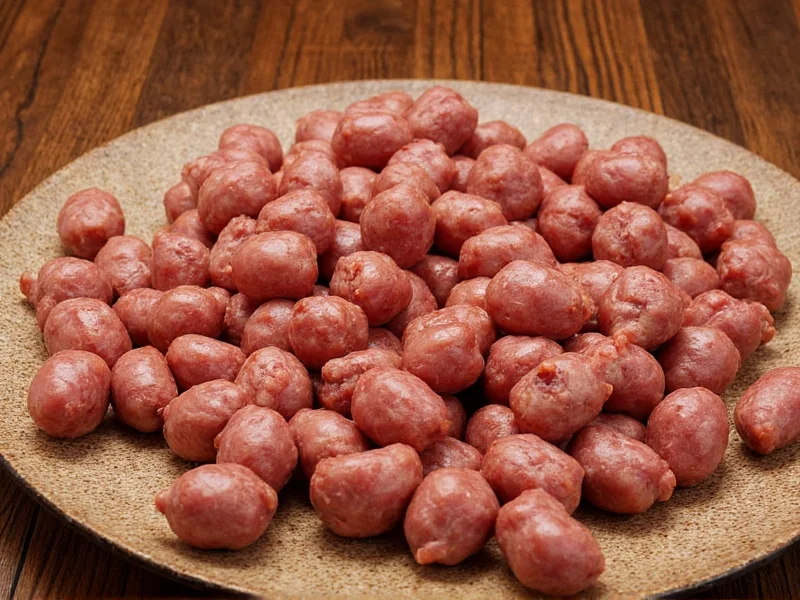
For home cooks seeking versatile breakfast solutions, Jimmy Dean sage sausage stands as a pantry staple that bridges traditional breakfast flavors with modern convenience. This seasoned pork product has maintained popularity since its introduction, offering consistent flavor and ease of preparation that appeals to both novice and experienced cooks.
Understanding Jimmy Dean Sage Sausage Composition
Jimmy Dean sage sausage distinguishes itself through its specific herb profile where dried sage takes center stage. Unlike plain breakfast sausage, this variety incorporates approximately 1-2% dried sage by weight, creating that characteristic earthy, slightly peppery flavor that complements eggs and biscuits perfectly. The standard ingredient list typically includes:
- Pork (primary meat content)
- Sage (the signature herb)
- Salt and black pepper
- Dextrose (for flavor balance)
- Natural flavors
- Extractives of rosemary (preservative)
Understanding what's in Jimmy Dean sage sausage helps home cooks make informed decisions about incorporating it into various recipes. The product comes in several formats including patties, links, and crumbled bulk sausage, each suited to different cooking applications.
| Nutrient | Per 3-Ounce Serving | % Daily Value |
|---|---|---|
| Calories | 320 | 16% |
| Total Fat | 27g | 35% |
| Saturated Fat | 10g | 50% |
| Cholesterol | 80mg | 27% |
| Sodium | 520mg | 23% |
| Protein | 16g | 32% |
Optimal Cooking Methods for Best Results
When preparing how to cook Jimmy Dean sage sausage properly, several techniques yield superior results compared to simply following the basic package instructions. For patties, the ideal approach involves:
- Thawing frozen sausage in refrigerator overnight for even cooking
- Using medium-low heat rather than high heat to prevent exterior burning
- Cooking patties for 12-15 minutes total, flipping occasionally
- Reaching an internal temperature of 160°F (71°C) for food safety
- Draining excess grease on paper towels before serving
For those exploring Jimmy Dean sage sausage recipes beyond basic preparation, consider these professional techniques. When using crumbled sausage in breakfast casseroles, partially cook then drain excess fat before incorporating into egg mixtures. For sausage gravy, use the rendered fat as the base for your roux, which maximizes flavor transfer while reducing waste.
Culinary Applications Beyond Traditional Breakfast
While many associate Jimmy Dean sage sausage with morning meals, its versatility extends throughout the day. Creative home cooks have discovered numerous applications that showcase how to use Jimmy Dean sage sausage in innovative ways:
Breakfast Enhancements: Incorporate cooked and crumbled sausage into quiche fillings, breakfast burritos, or as a topping for savory oatmeal. The sage flavor complements eggs beautifully while adding protein density to morning meals.
Lunch and Dinner Transformations: Use as a flavor base for soups and stews, particularly bean-based recipes where the sage adds complexity. Incorporate into stuffing for roasted poultry or as a pizza topping with caramelized onions and sharp cheddar.
Meal Prep Solutions: For those following Jimmy Dean sage sausage meal prep strategies, cook a batch on Sunday and portion into 4-ounce servings. These can be quickly reheated throughout the week for breakfast sandwiches or added to salads for protein.
Storage and Safety Considerations
Proper handling of Jimmy Dean sage sausage ensures both food safety and optimal flavor retention. Unopened packages maintain quality for 1-2 months in the freezer and 1-2 weeks in the refrigerator. Once opened, consume within 3-4 days or freeze for longer storage.
When comparing Jimmy Dean sage sausage vs regular sausage, note that the sage variety typically has a slightly shorter refrigerator shelf life due to the additional herbs. Always check for signs of spoilage including sour odor, slimy texture, or discoloration before cooking.
Frequently Asked Questions
Can you cook Jimmy Dean sage sausage from frozen?
Yes, you can cook Jimmy Dean sage sausage from frozen, though it requires approximately 50% longer cooking time. For best results with frozen sage sausage patties, place them in a cold skillet then gradually increase to medium heat, allowing the sausage to thaw while cooking. This prevents exterior burning while ensuring thorough cooking to 160°F internal temperature.
What makes sage sausage different from regular breakfast sausage?
Sage sausage contains a higher concentration of dried sage as the primary herb, typically comprising 1-2% of the ingredient mix. This creates a distinctive earthy, slightly peppery flavor profile that differs from regular breakfast sausage, which usually features more black pepper and less prominent herb notes. The sage variety has been a traditional Southern breakfast staple for generations.
How can I reduce the fat content when cooking Jimmy Dean sage sausage?
To reduce fat when preparing Jimmy Dean sage sausage, cook the sausage in a non-stick skillet over medium heat without additional oil. After cooking, transfer to a paper towel-lined plate to absorb excess grease. For crumbled sausage, consider rinsing briefly under hot water after cooking to remove surface fat. Alternatively, look for Jimmy Dean's lower-fat varieties which contain approximately 30% less fat than standard options.
What are the best cheese pairings for Jimmy Dean sage sausage?
Sharp cheddar provides the ideal contrast to Jimmy Dean sage sausage's earthy flavor, creating a classic combination perfect for breakfast sandwiches. Other excellent pairings include smoked gouda for added depth, feta for a salty contrast in egg dishes, and pepper jack for those who enjoy a bit of heat. The sage flavor particularly complements cheeses with nutty or sharp profiles.
Can I use Jimmy Dean sage sausage in place of Italian sausage in recipes?
While Jimmy Dean sage sausage can substitute for Italian sausage in some applications, the flavor profiles differ significantly. Sage sausage lacks the fennel and garlic notes characteristic of Italian sausage. When substituting, consider adding 1 teaspoon of fennel seeds and 1 minced garlic clove per pound of cooked sage sausage to approximate Italian sausage flavor. This works best in recipes where sausage is a supporting rather than dominant flavor.




 浙公网安备
33010002000092号
浙公网安备
33010002000092号 浙B2-20120091-4