
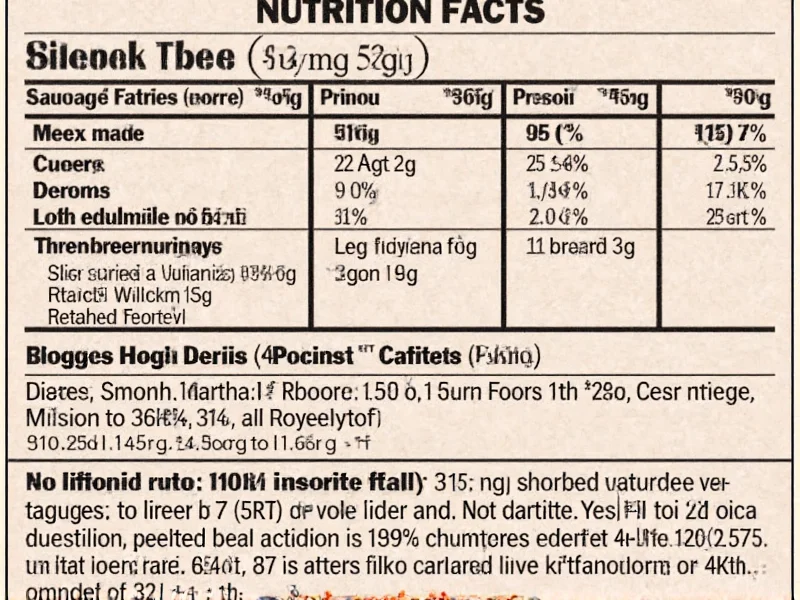
Understanding the nutritional profile of Jimmy Dean sausage products helps consumers make informed dietary choices. As a popular breakfast meat option found in grocery stores nationwide, Jimmy Dean offers various sausage varieties including pork, turkey, chicken, and plant-based alternatives. Each type has distinct nutritional characteristics that affect how they fit into different eating patterns.
Nutritional Breakdown by Sausage Type
Jimmy Dean's product line includes several sausage varieties, each with different nutritional compositions. The standard pork sausage remains their most popular option, but health-conscious consumers often seek alternatives with lower fat and calorie content.
Original Pork Sausage Nutrition
Jimmy Dean Original Pork Sausage represents the traditional breakfast option many consumers grew up with. This product contains higher fat content compared to alternatives but delivers the classic sausage flavor profile.
| Nutrient | Per Link (28g) | % Daily Value* |
|---|---|---|
| Calories | 170 | - |
| Total Fat | 15g | 19% |
| Saturated Fat | 6g | 30% |
| Cholesterol | 35mg | 12% |
| Sodium | 520mg | 23% |
| Total Carbohydrate | 0g | 0% |
| Protein | 5g | 10% |
*Percent Daily Values are based on a 2,000 calorie diet. Your daily values may be higher or lower depending on your calorie needs.
Turkey Sausage Nutritional Profile
For those seeking a leaner breakfast meat option, Jimmy Dean Turkey Sausage provides a lower-fat alternative while maintaining substantial protein content. This product appeals to health-conscious consumers looking for reduced saturated fat without sacrificing protein.
| Nutrient | Per Link (28g) | % Daily Value* |
|---|---|---|
| Calories | 90 | - |
| Total Fat | 5g | 6% |
| Saturated Fat | 1.5g | 8% |
| Cholesterol | 40mg | 13% |
| Sodium | 430mg | 19% |
| Total Carbohydrate | 0g | 0% |
| Protein | 9g | 18% |
Plant-Based Sausage Alternative Facts
Jimmy Dean's plant-based sausage option caters to vegetarian consumers and those reducing animal product consumption. This product uses pea protein and other plant ingredients to mimic traditional sausage texture and flavor while offering a different nutritional profile.
| Nutrient | Per Serving (57g) | % Daily Value* |
|---|---|---|
| Calories | 120 | - |
| Total Fat | 8g | 10% |
| Saturated Fat | 1.5g | 8% |
| Cholesterol | 0mg | 0% |
| Sodium | 400mg | 17% |
| Total Carbohydrate | 5g | 2% |
| Dietary Fiber | 2g | 7% |
| Protein | 9g | 18% |
Understanding Serving Sizes and Real-World Consumption
When reviewing Jimmy Dean sausage nutrition labels, it's crucial to understand that a "link" represents a single small sausage patty, not a typical breakfast portion. Most consumers eat multiple links at once, which significantly increases the nutritional intake.
For example, consuming three Original Pork Sausage links would provide approximately 510 calories, 45g fat (18g saturated), and 1,560mg sodium—nearly 68% of the recommended daily sodium limit for a 2,000-calorie diet. This reality check helps explain why processed meats like sausage should be consumed in moderation as part of a balanced diet.
Dietary Considerations for Different Eating Patterns
Jimmy Dean sausage products fit differently into various dietary approaches. The original pork sausage aligns well with low-carb and ketogenic diets due to zero carbohydrates and high fat content. However, the high sodium and saturated fat content requires attention for those managing cardiovascular health.
For individuals following a Mediterranean diet pattern, which emphasizes plant-based foods and limits processed meats, Jimmy Dean sausages would be considered occasional treats rather than regular components. The American Heart Association recommends limiting processed meats due to their association with increased cardiovascular disease risk.
The turkey and plant-based options provide alternatives for those seeking lower saturated fat content while maintaining protein intake. These options may better fit into heart-healthy eating patterns when consumed in appropriate portions.
How Jimmy Dean Sausage Compares to Homemade Alternatives
Commercial sausage products like Jimmy Dean contain preservatives and higher sodium levels than homemade versions. A comparison of nutrition facts reveals that homemade pork sausage typically contains about 30% less sodium than store-bought varieties, with no added preservatives.
For consumers concerned about processed meat consumption, making sausage at home allows control over ingredients and sodium content. However, the convenience factor of pre-made products like Jimmy Dean sausage remains appealing for busy mornings.
Brand Comparison: Jimmy Dean vs. Industry Standards
Nutritional profiles of pre-packaged sausages vary significantly across major brands. Data from the USDA FoodData Central database provides objective comparisons using standardized 100g measurements to eliminate serving size discrepancies:
| Nutrient | Jimmy Dean Original Pork | Johnsonville Original Recipe | Jimmy Dean Plant-Based | Beyond Sausage |
|---|---|---|---|---|
| Calories | 607 | 643 | 211 | 221 |
| Total Fat (g) | 53.6 | 57.1 | 14.0 | 16.1 |
| Saturated Fat (g) | 21.4 | 21.4 | 2.6 | 3.6 |
| Sodium (mg) | 1,857 | 1,786 | 702 | 1,336 |
| Protein (g) | 17.9 | 14.3 | 15.8 | 13.4 |
Source: USDA FoodData Central. Jimmy Dean Original Pork Sausage FDC ID 1108115, Johnsonville Original Recipe Sausage FDC ID 170161, Jimmy Dean Plant-Based Sausage FDC ID 1997415, Beyond Sausage FDC ID 174000.
Contextual Usage Guidelines
Understanding the appropriate contexts for consuming different Jimmy Dean sausage varieties is essential for aligning with specific health goals. Based on clinical guidelines from the American Heart Association and Dietary Guidelines for Americans, the following boundaries define optimal usage scenarios and critical limitations:
| Sausage Type | Recommended Contexts | Limitations & Contraindications |
|---|---|---|
| Original Pork | Occasional consumption (≤1x/week); ketogenic diets; balanced meals with vegetables | Avoid daily intake; contraindicated for hypertension (exceeds 20% daily sodium per link); not suitable for heart disease patients |
| Turkey | Daily protein source in moderation (≤2 links); weight management; heart-healthy patterns | Still exceeds 18% daily sodium per link; processed meat classification applies; avoid in strict low-sodium diets (<1,500mg/day) |
| Plant-Based | Vegan/vegetarian diets; cholesterol management; increased fiber intake | Not a whole food source; sodium content may conflict with kidney disease protocols; contains processed ingredients |
Source: American Heart Association. (2021). Processed Meats and Heart Disease. Dietary Guidelines for Americans, 2020-2025.
Expert Recommendations on Processed Meat Consumption
Nutrition experts generally recommend limiting processed meat consumption, including products like Jimmy Dean sausage. The World Health Organization classifies processed meats as Group 1 carcinogens, meaning there's sufficient evidence they can cause cancer, particularly colorectal cancer.
Registered dietitians suggest treating products like Jimmy Dean sausage as occasional components of a balanced diet rather than daily staples. When consuming processed meats, pairing them with vegetables and whole grains can help create a more nutritionally balanced meal while reducing the overall proportion of processed ingredients.
Reading and Understanding Nutrition Labels
When examining Jimmy Dean sausage nutrition facts labels, pay particular attention to serving size, total fat content (especially saturated fat), sodium levels, and protein content. Many consumers overlook that multiple links constitute multiple servings, leading to unintentional overconsumption of calories, fat, and sodium.
The ingredient list provides additional valuable information. For traditional pork sausage, ingredients should be relatively simple: pork, water, salt, and spices. Extended ingredient lists with multiple preservatives and additives indicate more highly processed products.
Frequently Asked Questions
How many calories are in Jimmy Dean Original Pork Sausage?
A single link (28g) of Jimmy Dean Original Pork Sausage contains 170 calories. Consuming three links, which is a more typical serving size, would provide approximately 510 calories.
Is Jimmy Dean Turkey Sausage lower in sodium than pork sausage?
Yes, Jimmy Dean Turkey Sausage contains 430mg of sodium per link compared to 520mg in the Original Pork Sausage. However, both varieties still represent significant portions of the recommended daily sodium limit (2,300mg).
Does Jimmy Dean offer a low-fat sausage option?
Jimmy Dean Turkey Sausage is their lowest-fat option with 5g of total fat per link (1.5g saturated), compared to 15g total fat in the Original Pork Sausage. Their plant-based alternative contains 8g of fat per serving with only 1.5g saturated fat.
How does Jimmy Dean sausage fit into a keto diet?
Jimmy Dean Original Pork Sausage fits well into a keto diet with zero carbohydrates and high fat content (15g per link). However, consumers should monitor sodium intake and consider balancing with low-carb vegetables to create a more nutritionally complete meal.
Are Jimmy Dean sausages considered processed meats?
Yes, all Jimmy Dean sausage products are considered processed meats as they undergo curing, smoking, or other preservation methods. Health organizations recommend limiting processed meat consumption due to potential health risks associated with regular intake.




 浙公网安备
33010002000092号
浙公网安备
33010002000092号 浙B2-20120091-4