
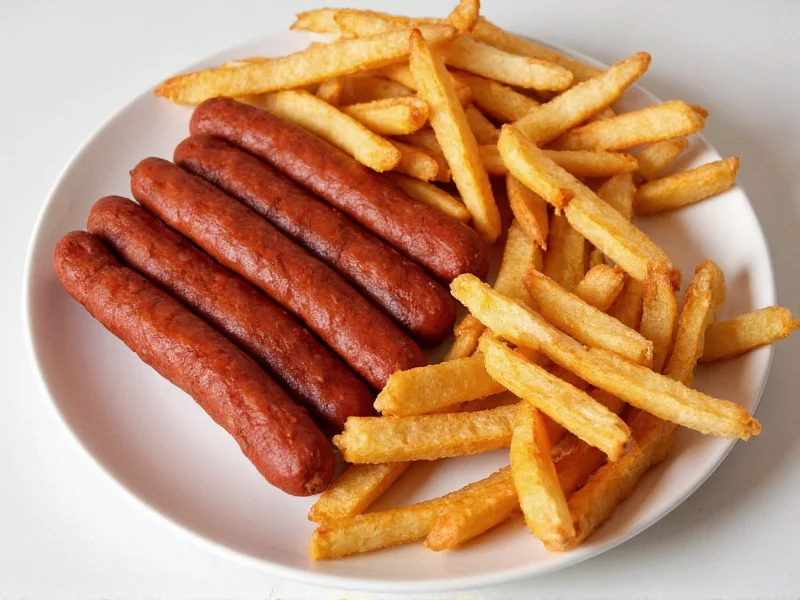
When searching for information about jimmy dean hot sausage ingredients, consumers typically want to understand what gives this breakfast staple its distinctive kick. The product line from the well-established Jimmy Dean brand has become a grocery store staple since its introduction, offering a spiced alternative to their regular sausage options.
Understanding Jimmy Dean Hot Sausage Composition
The distinctive flavor of Jimmy Dean Hot Sausage comes from its carefully balanced spice blend. Unlike some "hot" sausages that rely solely on cayenne pepper, Jimmy Dean incorporates multiple heat sources including red pepper flakes, black pepper, and paprika. This creates a complex warmth rather than a single-note spiciness that many consumers prefer for breakfast applications.
According to the product labeling, the complete ingredient list typically includes: pork, water, corn syrup, salt, spices, dextrose, flavorings, paprika, sugar, sodium phosphate, and sodium erythorbate. The specific "spices" component is proprietary but generally understood to include garlic powder, red pepper, and other seasonings that create the signature flavor profile.
Nutritional Profile Analysis
For those researching jimmy dean hot sausage nutrition facts, understanding the nutritional content is essential for dietary planning. A standard 3-ounce (85g) serving of Jimmy Dean Hot Sausage links contains:
| Nutrient | Amount per Serving | % Daily Value |
|---|---|---|
| Calories | 190 | - |
| Total Fat | 16g | 21% |
| Saturated Fat | 6g | 30% |
| Cholesterol | 60mg | 20% |
| Sodium | 530mg | 23% |
| Total Carbohydrate | 2g | 1% |
| Protein | 11g | 22% |
The nutritional profile shows Jimmy Dean Hot Sausage provides substantial protein content while remaining relatively low in carbohydrates, making it suitable for various dietary approaches. However, the sodium content is notably high, which consumers with hypertension or sodium restrictions should consider when incorporating this product into their meal planning.
Cooking Methods and Recipe Applications
When exploring how to cook jimmy dean hot sausage properly, several preparation methods yield excellent results. The product can be cooked from frozen or thawed, though cooking times vary accordingly. For optimal results:
- Pan-frying: Cook over medium heat for 12-14 minutes, turning frequently until browned and internal temperature reaches 160°F
- Oven baking: Place on baking sheet at 350°F for 15-20 minutes until fully cooked
- Grilling: Cook over medium heat for 10-12 minutes, turning occasionally
For those seeking jimmy dean hot sausage recipe ideas, the product works well in numerous applications beyond traditional breakfast pairings. Try crumbling it into scrambled eggs, adding to breakfast casseroles, incorporating into stuffing for holiday meals, or using as a pizza topping. The mild heat level complements eggs and potatoes particularly well, while providing enough spice to stand out in more complex dishes.
Product Variations and Availability
Jimmy Dean offers their hot sausage in multiple formats to suit different cooking needs:
- Links: Traditional sausage links, typically sold in 12-ounce packages
- Patties: Pre-formed patties for quick cooking, usually in 16-ounce packages
- Crumbles: Bulk sausage without casings, convenient for recipes requiring crumbled sausage
When researching where to buy jimmy dean hot sausage, consumers will find it widely available in major grocery chains across the United States. Most Walmart, Kroger, Target, and regional supermarket chains carry the product in their refrigerated meat sections. Availability may vary by region, with some stores stocking it year-round while others offer it seasonally.
Storage Guidelines and Shelf Life
Proper storage is essential for maintaining quality and safety when handling jimmy dean hot sausage storage tips. Unopened packages can be kept refrigerated for 1-2 days past the "sell by" date. For longer storage, freeze the product in its original packaging for up to 1-2 months. Once opened, consume within 1-2 days or freeze immediately.
When freezing, consider dividing larger packages into meal-sized portions before freezing to avoid repeated thawing and refreezing, which can degrade quality. Always thaw frozen sausage in the refrigerator rather than at room temperature to prevent bacterial growth.
Comparison with Similar Products
Understanding the differences between jimmy dean hot sausage vs regular helps consumers make informed choices. The primary distinction is the spice blend - hot sausage contains additional red pepper flakes and other heat-inducing spices. Nutritionally, the hot variety typically contains slightly more sodium (about 30-50mg more per serving) to balance the spice profile.
Compared to other brands' hot sausages, Jimmy Dean's offering tends to be milder than specialty hot sausages but noticeably spicier than standard breakfast sausage. This middle-ground approach makes it accessible to those who enjoy some heat without overwhelming spice levels that might not suit breakfast applications.
Consumer Considerations
When evaluating this product, several factors deserve attention. The pork content means it's not suitable for halal, kosher, or vegetarian diets. The presence of corn syrup and sugar may concern those following strict low-sugar diets, though the amounts per serving are relatively small.
For individuals monitoring sodium intake, the 530mg per serving represents over 20% of the recommended daily limit, making portion control important. The product contains no artificial preservatives beyond those necessary for food safety, with sodium erythorbate serving as a curing accelerator rather than a preservative.
Frequently Asked Questions
What makes Jimmy Dean Hot Sausage 'hot' compared to regular sausage?
Jimmy Dean Hot Sausage contains additional red pepper flakes and a specific blend of spices that regular sausage doesn't include. The 'hot' version uses a combination of paprika, black pepper, and red pepper to create a noticeable but not overwhelming heat level that's milder than many specialty hot sausages.
Is Jimmy Dean Hot Sausage gluten-free?
Yes, Jimmy Dean Hot Sausage is gluten-free. The product contains no wheat, rye, barley, or other gluten-containing ingredients. However, those with severe gluten sensitivity should check the specific product packaging as formulations can occasionally change.
How long does Jimmy Dean Hot Sausage last in the refrigerator?
Unopened Jimmy Dean Hot Sausage typically remains fresh for 1-2 days past the "sell by" date when kept refrigerated at 40°F or below. Once opened, it should be consumed within 1-2 days. For longer storage, freeze the product which maintains quality for 1-2 months.
Can you cook Jimmy Dean Hot Sausage from frozen?
Yes, Jimmy Dean Hot Sausage can be cooked from frozen, though cooking time will increase by approximately 50%. For best results, add 5-7 minutes to the standard cooking time and ensure the internal temperature reaches 160°F before serving. Thawing in the refrigerator overnight yields more even cooking.
What's the difference between Jimmy Dean Hot Sausage links and patties?
The primary difference is in form and cooking method. Links come in traditional sausage casing and require longer cooking to ensure the center reaches proper temperature. Patties are pre-formed without casings, allowing for faster, more even cooking. Nutritionally, they are nearly identical, with patties sometimes containing slightly less fat due to the absence of casing.




 浙公网安备
33010002000092号
浙公网安备
33010002000092号 浙B2-20120091-4