
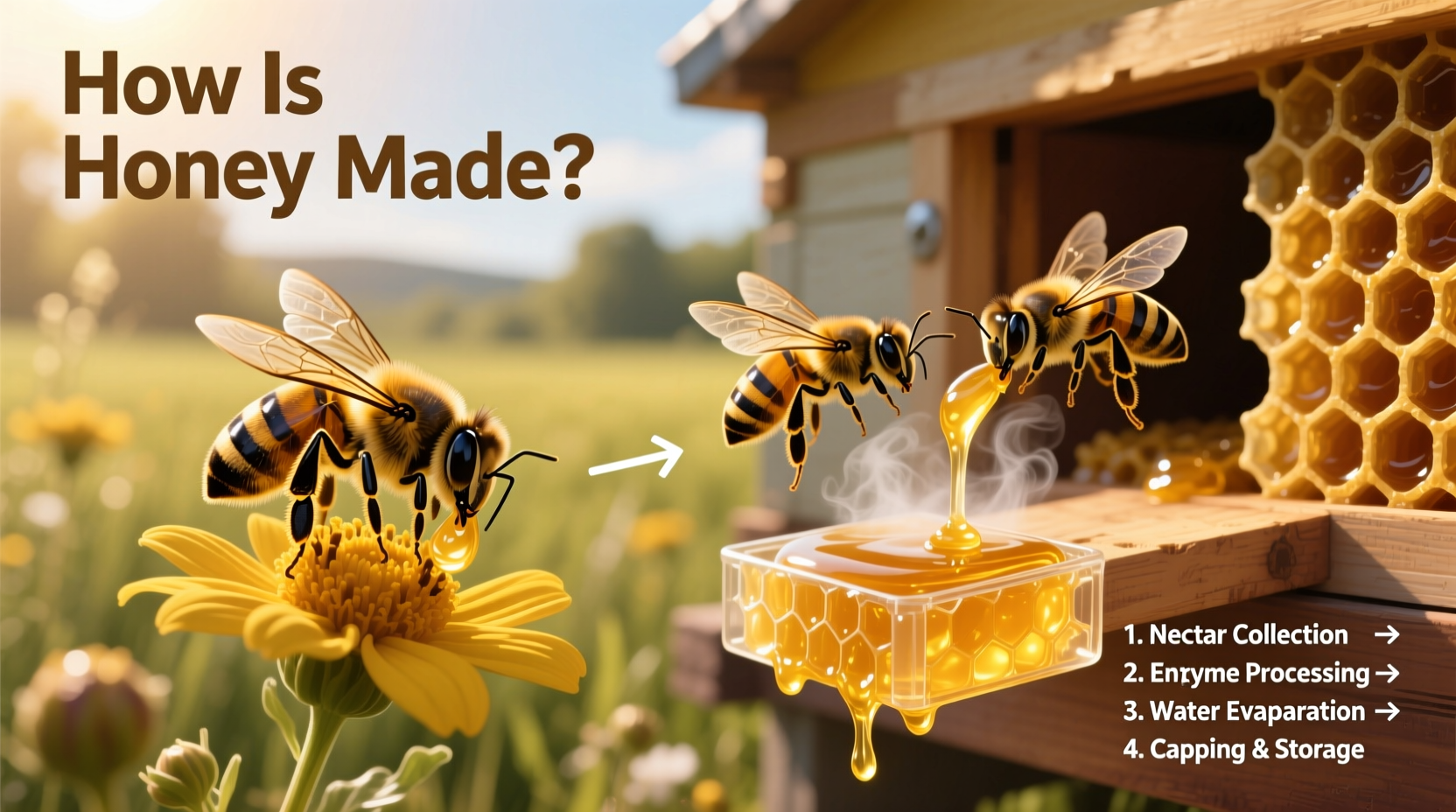
Ever wondered how that golden sweetness in your tea actually comes to be? Understanding how honey is made reveals one of nature's most fascinating collaborations between flowers and bees. This natural process transforms simple flower nectar into the complex, flavorful substance humans have treasured for thousands of years.
The Bee's Extraordinary Honey-Making Journey
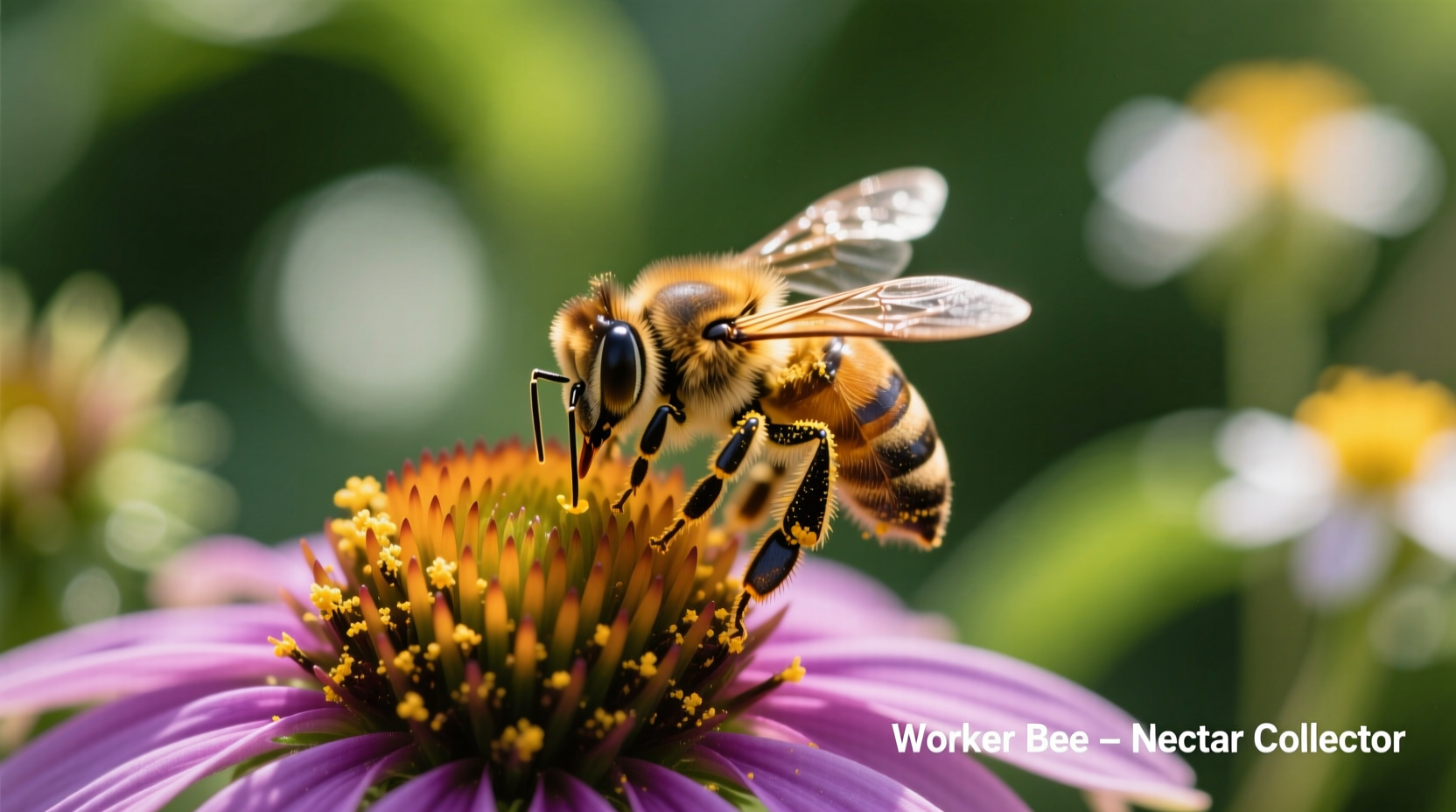
When you ask how is honey made, you're really asking about a sophisticated biological process perfected over millions of years. Worker bees, typically between 21-35 days old, become specialized forager bees dedicated to honey production. Each bee visits approximately 100 flowers during a single collection trip, using their long proboscis to extract nectar.
From Flower to Honeycomb: The Natural Process
The transformation from nectar to honey involves several precise biological steps that ensure preservation and nutritional value:
| Stage | Process | Duration |
|---|---|---|
| Nectar Collection | Bees extract nectar using proboscis and store in honey stomach | 5-15 minutes per trip |
| Enzymatic Conversion | Bees add invertase enzyme to break down sucrose into glucose and fructose | 30 minutes-2 hours |
| Water Evaporation | Bees fan wings to reduce moisture from 70% to 18% | Several days |
| Capping | Bees seal honeycomb cells with beeswax when ready | Final step |
What Happens Inside the Hive
When forager bees return to the hive, they transfer the nectar to house bees through a process called trophallaxis. These younger bees continue the honey-making process by repeatedly swallowing and regurgitating the nectar, adding more enzymes while reducing water content. According to research from the USDA Agricultural Research Service, this enzymatic process converts complex sugars into simpler ones that won't ferment.
The bees then deposit the partially processed nectar into honeycomb cells and begin fanning their wings vigorously to evaporate excess moisture. This critical step reduces water content from approximately 70% in raw nectar to the ideal 17-18% found in ripe honey. When the honey reaches this precise moisture level, bees cap the cells with beeswax, signaling it's ready for long-term storage.
How Beekeepers Harvest Honey Responsibly
Responsible beekeepers understand that honey is first and foremost the bees' food source. The National Honey Board emphasizes that ethical harvesting practices leave sufficient honey reserves for the colony, especially during winter months. Modern harvesting involves:
- Using bee escapes or fume boards to clear honey supers
- Extracting honeycomb frames without harming bees
- Processing honey through centrifugal extraction
- Minimal filtering to preserve natural enzymes and pollen
Contrary to common misconceptions about how honey is made commercially, quality producers avoid excessive heating that destroys beneficial compounds. The American Beekeeping Federation notes that raw honey maintains temperatures below 118°F (48°C) during extraction to preserve its natural properties.
Raw Honey vs. Processed Honey: What's the Difference?
Understanding the honey production process helps explain why raw honey differs from supermarket varieties:
| Characteristic | Raw Honey | Commercial Honey |
|---|---|---|
| Processing Temperature | Below 118°F (48°C) | Often above 140°F (60°C) |
| Filtering | Minimal, retains pollen | Heavy filtration removes pollen |
| Nutritional Content | Preserves enzymes and antioxidants | Reduced beneficial compounds |
| Crystallization | Natural crystallization occurs | Often prevented through processing |
According to a 2023 study published in the Journal of Agricultural and Food Chemistry, raw honey contains up to 200 different compounds including enzymes, vitamins, minerals, and antioxidants that contribute to its unique properties. Commercial processing often diminishes these beneficial elements while extending shelf life.
Seasonal and Regional Variations in Honey Production
The answer to how is honey made varies significantly by season and location. Honey characteristics change based on floral sources available to bees:
- Spring honey often comes from fruit trees and early flowers, typically lighter in color and milder in flavor
- Summer honey frequently derives from clover, wildflowers, and herbs, offering medium color and robust flavor
- Fall honey commonly comes from goldenrod and aster, producing darker, stronger-flavored varieties
The University of California's Honey Queen Program explains that regional terroir significantly impacts honey characteristics, much like wine grapes. Honey from orange blossoms in Florida differs markedly from honey made from tupelo trees in Georgia, each reflecting its unique floral source and local environment.
How to Identify Quality Honey
When exploring how honey is made naturally, consider these indicators of quality:
- Crystallization - Natural crystallization indicates minimal processing
- Label transparency - Look for origin information and processing methods
- Flavor complexity - Quality honey shows nuanced flavors reflecting its floral source
- Texture - Should feel smooth but may have slight granularity when crystallized
Be wary of honey that never crystallizes or appears unnaturally clear, as these often indicate excessive processing. The Food and Agriculture Organization notes that genuine honey contains trace amounts of pollen, which provides valuable information about its floral and geographic origin.
Preserving Honey's Natural Benefits
Understanding how honey is made helps you appreciate why proper storage matters. To maintain honey's natural properties:
- Store in airtight containers away from direct sunlight
- Avoid refrigeration, which accelerates crystallization
- Use wooden or plastic utensils instead of metal
- Keep moisture out to prevent fermentation
When crystallization occurs naturally, gently warm the container in lukewarm water rather than using high heat that destroys beneficial compounds. This approach preserves the honey's natural enzymatic activity that contributes to its unique properties.
How long does it take bees to make honey?
Bees typically need 1-3 weeks to transform nectar into fully ripened honey, depending on weather conditions and floral source. The entire process from nectar collection to capped honeycomb usually takes about 20 days under optimal conditions.
Do bees eat the honey they make?
Yes, honey serves as the primary food source for bees, especially during winter months when flowers aren't blooming. A healthy colony stores 60-100 pounds of honey to survive cold seasons, which is why ethical beekeepers only harvest surplus honey.
Why doesn't honey spoil?
Honey's unique composition creates an inhospitable environment for bacteria and microorganisms. Its low moisture content (17-18%), acidic pH (3.4-6.1), and natural hydrogen peroxide production prevent spoilage, allowing properly stored honey to remain edible for decades.
How much honey does one bee produce in its lifetime?
A single worker bee produces approximately 1/12th of a teaspoon of honey during her lifetime. It takes about 60,000 bees working together to produce 100 pounds of honey, highlighting the incredible collective effort involved in honey production.
Is all honey the same regardless of floral source?
No, honey varies significantly based on floral source. Monofloral honeys like orange blossom or clover have distinct flavors, colors, and properties. The USDA recognizes over 300 unique honey varieties in the United States alone, each reflecting its specific botanical origin and regional characteristics.




 浙公网安备
33010002000092号
浙公网安备
33010002000092号 浙B2-20120091-4