
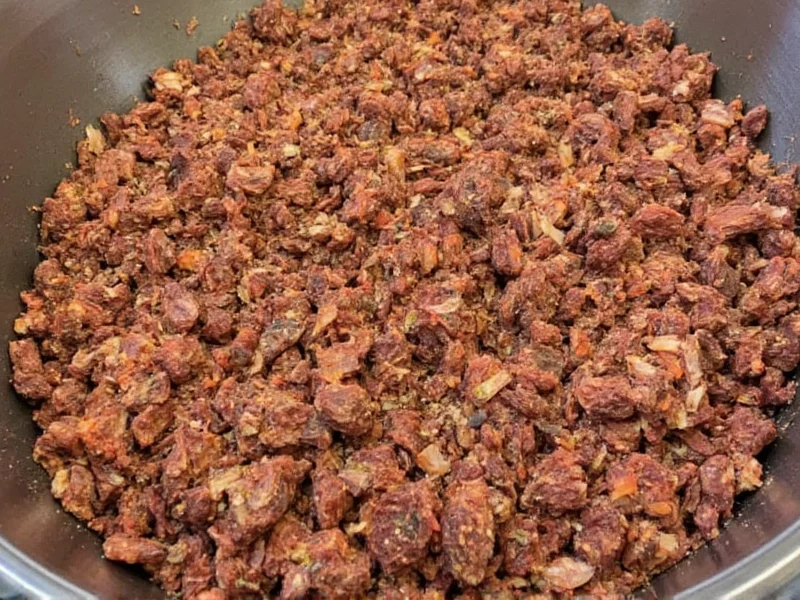
Creating quality jerky at home has become increasingly popular among outdoor enthusiasts and food preservation hobbyists. Hi Mountain seasoning stands out as one of the most trusted options for achieving consistent, flavorful results without requiring extensive culinary expertise. Understanding how to properly use this seasoning blend can transform your homemade jerky from mediocre to exceptional.
What Makes Hi Mountain Jerky Seasoning Unique
Unlike basic spice blends, Hi Mountain jerky seasoning incorporates curing salts (sodium nitrite) that serve multiple critical functions in the jerky-making process. These curing agents prevent bacterial growth during the drying process, extend shelf life, and contribute to the characteristic pink color and distinctive flavor of properly made jerky. The precise formulation balances preservation needs with taste preferences, creating that perfect sweet-smoky profile that jerky lovers expect.
The seasoning's versatility extends beyond just beef—many home jerky makers successfully use it with venison, turkey, and even plant-based alternatives. This adaptability has contributed significantly to its popularity among hunters, campers, and everyday home cooks looking to preserve meat safely.
Evolution of Jerky Curing: A Historical Perspective
The practice of making jerky dates back centuries, with indigenous peoples in the Americas using sun-drying and smoke to preserve meat. Modern commercial jerky seasoning blends like Hi Mountain represent the culmination of centuries of preservation science:
| Era | Preservation Method | Limitations |
|---|---|---|
| Pre-1900s | Sun-drying, smoke, salt-only curing | Highly dependent on weather; inconsistent safety; limited shelf life |
| Early 1900s | Introduction of sodium nitrite for controlled curing | Required precise measurement; not accessible to home users |
| Late 1900s | Commercial seasoning blends with pre-measured curing agents | Early blends lacked flavor complexity; limited variety |
| 2000s-Present | Specialized blends like Hi Mountain with optimized flavor/safety ratios | Dependence on commercial products; requires understanding of safe usage |
This evolution reflects the USDA's emphasis on standardized curing processes to prevent foodborne illness, particularly in home settings where precise measurement is challenging (USDA Food Safety and Inspection Service, 2021).
Key Ingredients and Their Functions
Understanding what's in Hi Mountain jerky seasoning helps explain why it produces such reliable results. The primary components include:
| Ingredient | Function | Importance Level |
|---|---|---|
| Salt | Preservation, flavor enhancement, moisture extraction | Essential |
| Sugar | Flavor balance, caramelization during drying | Essential |
| Sodium Nitrite | Bacterial prevention, color retention, flavor development | Critical |
| Garlic Powder | Flavor complexity | Important |
| Onion Powder | Flavor complexity | Important |
| Spices | Signature flavor profile | Essential |
The precise ratio of these ingredients creates the distinctive taste that has made Hi Mountain a household name among jerky enthusiasts. The inclusion of curing salts specifically addresses food safety concerns that home jerky makers often overlook when attempting to create their own seasoning blends from scratch.
Commercial Curing vs. Traditional Methods: Safety Comparison
The inclusion of curing agents in modern blends addresses critical safety gaps in traditional jerky preparation:
| Factor | Traditional Salt-Only Curing | Commercial Curing (Hi Mountain) |
|---|---|---|
| Pathogen Elimination | Inconsistent; relies solely on dehydration | Guaranteed when used correctly (sodium nitrite inhibits Clostridium botulinum) |
| Minimum Drying Time | 48+ hours (weather-dependent) | 6-12 hours (controlled environment) |
| Refrigeration Requirement | Required for storage beyond 2 weeks | Room temperature storage for 1-2 months |
| USDA Compliance | Does not meet current safety standards | Formulated to meet USDA jerky safety guidelines |
According to the USDA, commercial curing blends reduce the risk of foodborne illness by providing consistent pathogen inhibition during the critical drying phase, making home jerky production significantly safer (USDA Food Safety and Inspection Service, 2021).
Proper Usage Techniques for Optimal Results
While Hi Mountain jerky seasoning simplifies the process, following proper techniques ensures the best possible outcome. Many first-time users make critical mistakes that affect both safety and flavor. The standard ratio is one 4-ounce pouch of seasoning per 5 pounds of meat, but adjustments may be necessary based on personal taste preferences and meat type.
Marinating time significantly impacts flavor penetration—most experts recommend a minimum of 8 hours, though 24 hours produces deeper flavor development. When mixing the seasoning with meat, ensure thorough but gentle incorporation to avoid damaging the meat fibers while guaranteeing even distribution.
Temperature control during the drying process remains crucial regardless of seasoning quality. Maintaining 160°F (71°C) throughout the drying cycle ensures proper pathogen elimination while achieving the ideal texture—leathery but not brittle. Many experienced jerky makers use digital thermometers to verify both meat and dehydrator temperatures.
Troubleshooting Common Issues
Even with Hi Mountain seasoning, home jerky makers occasionally encounter problems. Understanding these issues helps troubleshoot effectively:
- Too salty: Often results from insufficient marinating time or improper meat-to-seasoning ratio. Try reducing seasoning quantity by 10-15% next batch.
- Insufficient flavor: Usually indicates inadequate marinating time. Extend marination to 24-48 hours for deeper flavor penetration.
- Moist spots or spoilage: Signals improper drying temperature or insufficient drying time. Verify dehydrator maintains consistent 160°F throughout the process.
- Overly tough texture: Typically caused by over-drying or using lean cuts that dry too quickly. Monitor drying process closely during final hours.
Understanding Contextual Limitations of Commercial Seasoning Blends
While Hi Mountain seasoning simplifies jerky production, its effectiveness depends on specific environmental and procedural factors:
- Altitude Considerations: At high elevations, extended drying times are necessary to ensure the jerky reaches a safe internal temperature of 160°F (University of Wyoming Extension, 2017).
- Meat Type Constraints: The standard formulation is optimized for beef. For poultry jerky, the USDA requires preheating meat to 165°F before drying to destroy pathogens, which isn't necessary for beef (USDA Food Safety and Inspection Service, 2021).
- Equipment Requirements: Achieving the critical 160°F internal temperature requires calibrated equipment. Oven drying without a thermometer is strongly discouraged as it cannot reliably verify safe temperatures (National Center for Home Food Preservation, 2015).
These context-specific factors explain why identical recipes sometimes yield different results across locations and conditions.
Storage and Shelf Life Considerations
Properly made jerky using Hi Mountain seasoning typically maintains quality for 1-2 months when stored in airtight containers at room temperature. For extended storage, refrigeration extends shelf life to 6-12 months while freezing can preserve quality for up to 18 months. Always check for signs of spoilage—including off odors, mold, or unexpected moisture—before consuming.
The curing agents in Hi Mountain seasoning contribute significantly to shelf stability, but proper storage remains essential for food safety. Many experienced jerky makers include oxygen absorbers in their storage containers to further extend freshness and prevent oxidation that can affect flavor.
Adapting Hi Mountain Seasoning for Personal Preferences
While the standard blend produces excellent results, many home jerky enthusiasts enjoy customizing their batches. Successful modifications include:
- Adding liquid smoke for intensified smokiness without actual smoking
- Incorporating additional heat with cayenne or crushed red pepper
- Enhancing sweetness with brown sugar or maple syrup
- Creating regional variations with teriyaki sauce or hot sauce additions
When modifying the base recipe, maintain the critical curing agent ratio by adjusting only the non-curing components. This ensures food safety isn't compromised while allowing for flavor experimentation. Documenting your modifications helps replicate successful variations in future batches.
Comparing Hi Mountain to Homemade Alternatives
While some jerky enthusiasts prefer creating their own seasoning blends from scratch, Hi Mountain offers distinct advantages for most home users. The precise formulation of curing agents provides consistent food safety that's difficult to replicate without specialized knowledge and equipment. Commercial blends undergo rigorous testing to ensure proper pathogen inhibition throughout the drying process.
Homemade blends often lack the necessary curing components, creating potential food safety risks that many novice jerky makers don't recognize. For those committed to creating their own blends, adding Prague Powder #1 (6.25% sodium nitrite) at the correct ratio (typically 1 teaspoon per 5 pounds of meat) becomes essential for safe jerky production.




 浙公网安备
33010002000092号
浙公网安备
33010002000092号 浙B2-20120091-4