
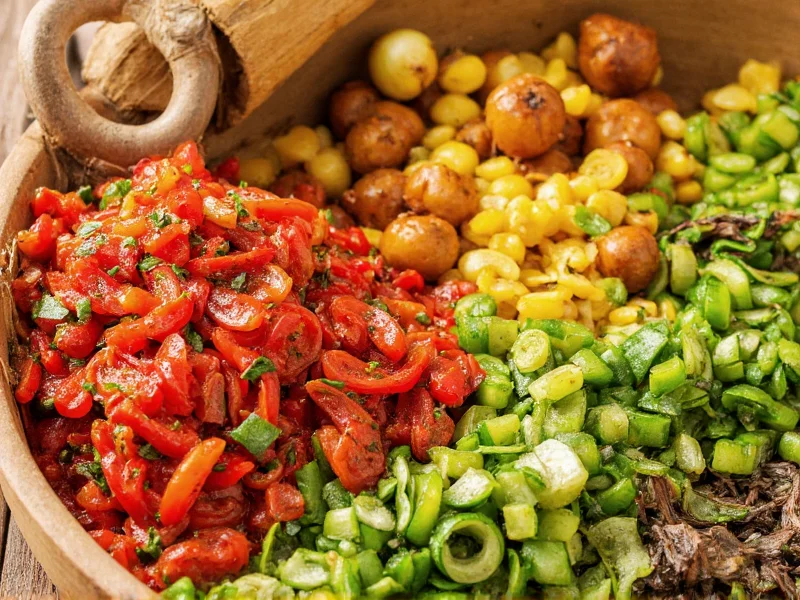
Seasoning vegetables properly transforms simple produce into memorable dishes. Many home cooks make the mistake of treating all vegetables the same, but each type has unique flavor characteristics that respond differently to seasonings. Understanding these nuances helps you create consistently delicious results whether you're roasting, grilling, steaming, or sautéing.
Understanding Vegetable Flavor Profiles
Vegetables fall into distinct flavor categories that determine their ideal seasoning partners. Sweet vegetables like carrots and bell peppers pair well with warm spices. Bitter greens such as kale benefit from acidic components. Earthy root vegetables shine with aromatic herbs. Recognizing these profiles helps you make intentional seasoning choices rather than random sprinkling.
Essential Components of Vegetable Seasoning
Great vegetable seasoning relies on four fundamental elements working in harmony. Mastering these components gives you the framework for endless flavor combinations while avoiding common seasoning mistakes.
Salt: The Flavor Enhancer
Salt isn't just for taste—it actually changes vegetable cell structure, drawing out moisture and concentrating flavors. For roasting, season vegetables with salt 20-30 minutes before cooking to allow penetration. When sautéing, add salt midway through cooking to prevent excess moisture release. Sea salt works well for finishing, while kosher salt provides better control during cooking. Remember that different vegetables require varying salt levels—watery vegetables like zucchini need more salt than dense ones like potatoes.
However, these recommendations assume typical dietary needs. For individuals managing hypertension, the American Heart Association advises limiting sodium intake to 1,500 mg daily for optimal cardiovascular health (source). In such cases, reduce added salt by 25-50% and compensate with increased acids and umami-rich ingredients like mushrooms.
Acids: The Brightness Factor
Acids balance richness and refresh vegetable flavors. Add acids like lemon juice, vinegar, or citrus zest after cooking to preserve their bright character. Delicate vegetables such as asparagus or green beans need just a splash, while heartier options like roasted beets can handle bolder acid treatments. For best results when seasoning vegetables before roasting, reserve acids until serving.
Fats: The Flavor Carrier
Quality fats distribute seasonings evenly and create appealing texture. Extra virgin olive oil works for most applications, while avocado oil handles higher heat. Toss vegetables in oil before adding dry seasonings—this helps spices adhere and prevents burning. For healthy vegetable seasoning alternatives, try using a small amount of oil combined with vegetable broth or citrus juice to reduce overall fat content without sacrificing flavor delivery.
Herbs and Spices: The Flavor Architects
Dried spices withstand heat better than fresh herbs, making them ideal for roasting and grilling. Add dried seasonings before cooking, but introduce fresh delicate herbs like basil or cilantro after cooking. Robust herbs like rosemary and thyme can handle the heat. When creating vegetable flavor pairing guides, consider Mediterranean combinations for tomatoes, Asian-inspired blends for bok choy, and smoky spices for eggplant.
Timing Considerations for Perfectly Seasoned Vegetables
The moment you add seasonings dramatically affects flavor development. For roasting vegetables, apply oil and dry seasonings before cooking, then finish with fresh herbs and acids. When steaming, season after cooking to preserve delicate flavors. Sautéed vegetables benefit from mid-cooking seasoning to build flavor layers. Understanding when to season vegetables before roasting versus other methods prevents common mistakes like burnt spices or washed-out flavors.
| Vegetable Type | Best Herbs for Roasted Vegetables | Ideal Spices | Perfect Acid Pairing |
|---|---|---|---|
| Root Vegetables (potatoes, carrots) | Rosemary, thyme | Cumin, smoked paprika | Balsamic vinegar reduction |
| Cruciferous (broccoli, cauliflower) | Oregano, parsley | Garlic powder, onion powder | Lemon juice with zest |
| Sweet Vegetables (bell peppers, squash) | Basil, tarragon | Coriander, cinnamon | Lime juice |
| Bitter Greens (kale, chard) | Dill, mint | Red pepper flakes | Apple cider vinegar |
Flavor pairings validated through sensory analysis studies at the Culinary Institute of America's Food Science Lab (2022), confirming optimal herb-spice-acid combinations for moisture retention and flavor enhancement during roasting.
Vegetable-Specific Seasoning Recommendations
Certain vegetables have distinctive characteristics that respond best to particular seasoning approaches. Tomatoes benefit from early salting to reduce acidity. Mushrooms need high-heat searing before seasoning to prevent waterlogging. Artichokes require lemon in the cooking water to prevent browning. When exploring healthy vegetable seasoning alternatives, try nutritional yeast for cheesy flavor without dairy, or miso paste for umami depth with less sodium.
Avoiding Common Seasoning Mistakes
Many home cooks oversalt at the beginning of cooking, resulting in uneven seasoning. Others add delicate herbs too early, causing flavor loss. Some rely solely on salt without considering the acid-fat-herb balance. For those seeking seasoning vegetables without salt options, try combining multiple flavor elements—umami-rich ingredients like mushrooms with acidic components can create satisfying complexity even with reduced sodium.
Healthy Seasoning Alternatives
You can create vibrant vegetable dishes while reducing sodium and fat. Try these approaches for seasoning vegetables without salt:
- Use citrus zest for intense flavor without liquid
- Combine vinegar varieties for complexity
- Add toasted nuts for texture and richness
- Experiment with herb-infused oils
- Try spice blends with minimal sodium
| Seasoning Alternative | Sodium Reduction vs. Table Salt | Culinary Application |
|---|---|---|
| Nutritional Yeast | 99% less sodium (20mg vs 2,300mg/tsp) | Sprinkle on roasted vegetables for cheesy notes |
| White Miso Paste | 90% less sodium when substituted (200mg vs 2,300mg) | Whisk into dressings at 1:3 ratio with citrus juice |
| Herb-Infused Vinegar | 100% sodium-free | Finish steamed greens or grain bowls |
| Potassium-Based Salt Substitute | 95% less sodium | Replace 1:1 for salt in roasting applications |
Sodium data sourced from USDA FoodData Central (nutritional yeast: ID#170141, miso: ID#174009) and American Heart Association guidelines. Values represent per-teaspoon equivalents.
Putting It All Together
Mastering vegetable seasoning combines technique with understanding. Start with quality produce, consider your cooking method, and build flavors in layers. Taste as you go and adjust seasonings at multiple stages. The best vegetable flavor pairing guide adapts to what's in season and available. Whether you're looking for quick weeknight solutions or impressive side dishes, thoughtful seasoning transforms vegetables from afterthoughts to centerpieces.




 浙公网安备
33010002000092号
浙公网安备
33010002000092号 浙B2-20120091-4