
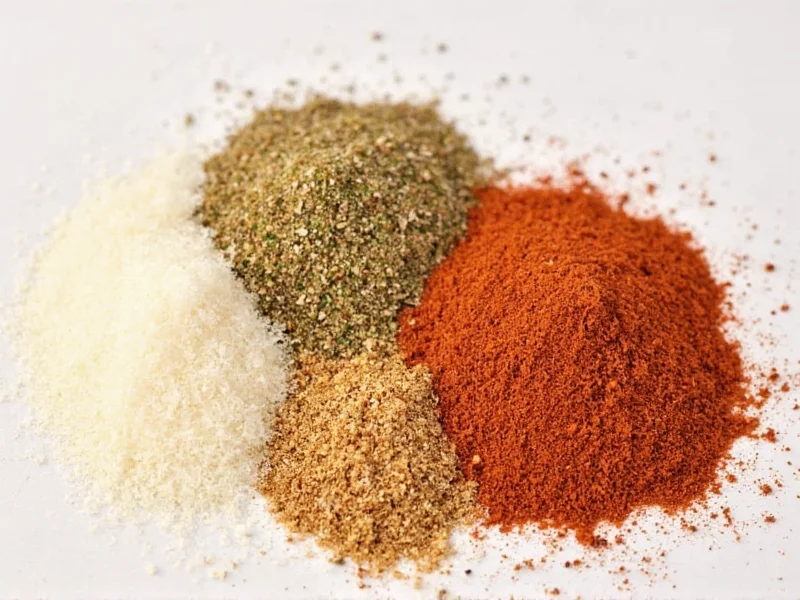
Understanding Low Sodium Seasoning Options
For individuals monitoring sodium intake due to medical conditions or preventive health measures, finding flavorful alternatives to traditional salt-based seasonings becomes essential. The American Heart Association recommends no more than 2,300 milligrams of sodium daily, with an ideal limit of 1,500 mg for most adults. Low sodium seasonings provide a practical solution for maintaining taste satisfaction while adhering to dietary restrictions.
Key Ingredients in Quality Low Sodium Blends
Effective low sodium seasonings rely on robust combinations of herbs, spices, and natural flavor enhancers. Unlike salt-heavy commercial blends, these alternatives maximize umami and aromatic compounds through ingredients like:
- Garlic and onion powder (sodium-free versions)
- Citrus zest (lemon, lime, orange)
- Smoked paprika for depth without salt
- Herbs de Provence (thyme, rosemary, oregano)
- Nutritional yeast for cheesy notes
- Mushroom powder as natural umami booster
When evaluating commercial products, check labels for hidden sodium sources like monosodium glutamate (MSG), sodium benzoate, or disodium inosinate. Truly low sodium seasonings contain less than 5 milligrams per 1/4 teaspoon serving.
Reading Labels for Authentic Low Sodium Claims
Not all "reduced sodium" products qualify as genuinely low sodium options. Understanding labeling terminology helps make informed choices:
| Label Term | Meaning | Acceptable for Strict Low Sodium Diets? |
|---|---|---|
| "Sodium-free" | Contains less than 5mg sodium per serving | Yes |
| "Very low sodium" | 35mg or less per serving | Conditionally |
| "Low sodium" | 140mg or less per serving | No for strict diets |
| "Reduced sodium" | 25% less than original version | Rarely |
| "No salt added" | No additional salt, but may contain natural sodium | Check label |
Creating Homemade Low Sodium Seasoning Blends
DIY seasoning blends offer complete control over ingredients while avoiding hidden sodium. These three versatile recipes provide restaurant-quality flavor without compromising health goals:
Classic All-Purpose Blend
Mix 2 tablespoons each of garlic powder, onion powder, dried thyme, and dried basil with 1 tablespoon each of black pepper and dried oregano. Store in an airtight container for up to six months. Ideal for roasted vegetables, chicken, and soups.
Smoky Southwest Blend
Combine 3 tablespoons smoked paprika, 2 tablespoons cumin, 1 tablespoon each of chili powder and garlic powder, and 2 teaspoons cayenne pepper. This sodium-free seasoning works beautifully on grilled meats, black beans, and roasted sweet potatoes.
Lemon-Herb Seafood Blend
Whisk together 2 tablespoons dried dill, 2 tablespoons lemon zest (dehydrated), 1 tablespoon each of tarragon and parsley, plus 1 teaspoon white pepper. Toss with fish fillets before baking or mix into homemade tartar sauce.
Maximizing Flavor with Low Sodium Seasonings
Transitioning to low sodium cooking requires technique adjustments to compensate for salt's flavor-enhancing properties. Professional chefs recommend these evidence-based approaches:
- Layer flavors - Add seasonings at multiple cooking stages rather than just at the end
- Acid balance - Incorporate citrus juice or vinegar to brighten flavors
- Texture contrast - Use whole spices toasted and ground fresh for more complex flavor release
- Umami boosters - Include mushrooms, tomatoes, or nutritional yeast for depth
- Temperature control - Add delicate herbs near the end of cooking to preserve volatile flavor compounds
Research published in the Journal of Food Science demonstrates that strategic use of aromatic compounds can increase perceived saltiness by up to 30% without adding sodium, making proper seasoning technique crucial for satisfaction with low sodium diets.
Health Considerations and Special Populations
While low sodium seasonings benefit anyone monitoring salt intake, they're particularly valuable for specific health conditions. Individuals with hypertension often require sodium restriction below 1,500mg daily, making traditional seasoning blends problematic. Kidney disease patients must carefully manage sodium to reduce fluid retention. Heart failure patients similarly benefit from strict sodium control to decrease cardiac workload.
Certain populations should exercise caution with salt substitutes containing potassium chloride. Those with kidney impairment or taking ACE inhibitors should consult healthcare providers before using potassium-based alternatives, as excessive potassium can cause dangerous arrhythmias in susceptible individuals.
Practical Integration into Daily Cooking
Successfully adopting low sodium seasonings involves gradual habit changes. Start by replacing one high-sodium blend at a time rather than overhauling your entire spice collection simultaneously. Keep a small container of your favorite homemade blend visible on your counter as a visual reminder to use it regularly.
When dining out, request sauces and dressings on the side and ask for dishes to be prepared without added salt. Many restaurants now accommodate low sodium requests when specifically requested. For packaged foods, compare labels and choose options with less than 140mg sodium per serving to maintain overall dietary goals while using flavorful seasonings to enhance these base ingredients.
Frequently Asked Questions
What's the difference between 'low sodium' and 'sodium-free' seasonings?
'Sodium-free' seasonings contain less than 5 milligrams of sodium per serving, meeting the strictest dietary requirements. 'Low sodium' products contain 140 milligrams or less per serving, which may still exceed limits for therapeutic diets. Always check the nutrition facts panel rather than relying solely on front-of-package claims.
Can I use low sodium seasonings when cooking for the whole family?
Absolutely. Most low sodium seasonings provide robust flavor that appeals to all palates. In fact, gradually reducing sodium exposure helps recalibrate taste preferences for the entire household. Start with moderate amounts and adjust based on family feedback, as taste sensitivity to sodium decreases over time with consistent lower sodium intake.
How do I prevent food from tasting bland with low sodium seasonings?
Combat blandness by layering flavors throughout cooking, using acid (lemon juice or vinegar) to brighten dishes, incorporating umami-rich ingredients like mushrooms or tomatoes, and toasting whole spices before grinding. The key is building complexity through multiple flavor dimensions rather than relying solely on salt for taste enhancement.
Are salt substitutes safe for long-term use?
Salt substitutes containing potassium chloride can be problematic for individuals with kidney disease or those taking certain medications like ACE inhibitors. For most healthy individuals, moderate use is generally safe, but they shouldn't be used as direct 1:1 replacements for salt due to different chemical properties. Consult your healthcare provider before making significant changes to your sodium replacement strategy.
How long do homemade low sodium seasonings last?
Properly stored in airtight containers away from heat and light, most homemade blends maintain optimal flavor for 6-12 months. Whole spices last longer than pre-ground versions. To test freshness, rub a small amount between your fingers - if the aroma is weak or musty, it's time to refresh your blend. Label containers with creation dates to track freshness.




 浙公网安备
33010002000092号
浙公网安备
33010002000092号 浙B2-20120091-4