

Understanding the unique characteristics of green jalapeno peppers helps home cooks and gardening enthusiasts maximize their culinary potential. These vibrant chilies represent the most commonly consumed stage of the jalapeno pepper's growth cycle, harvested before full ripening occurs.
What Makes Jalapenos Stay Green?
Jalapeno peppers naturally transition from green to red as they mature on the plant. Green jalapenos are simply harvested early in their development cycle, typically 2-3 months after planting when they reach 2-3 inches in length. This early harvest preserves their signature crisp texture and fresh flavor profile. The chlorophyll content gives them their green color, which gradually breaks down as the pepper ripens and produces carotenoids that create the red hue.
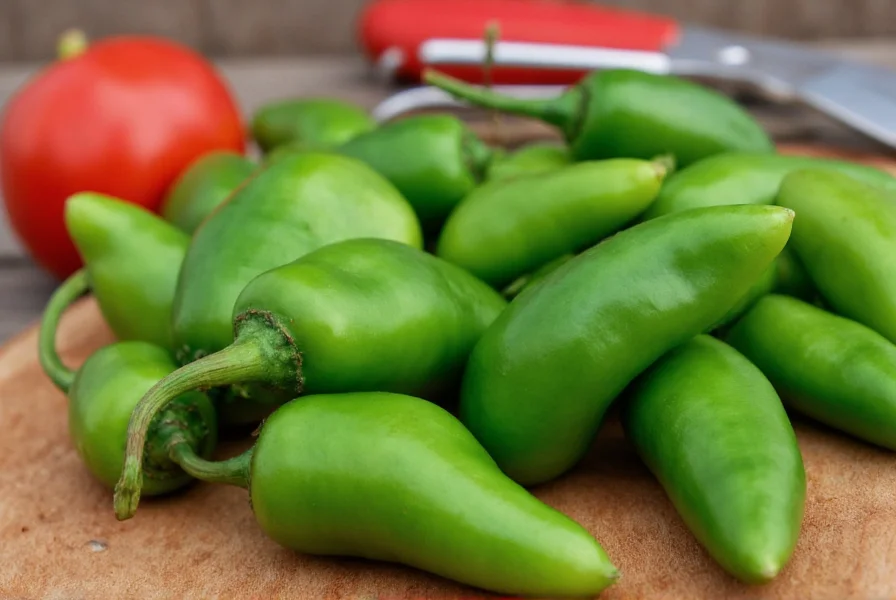
Jalapeno Ripening Timeline: Harvest Windows Explained
Harvest timing directly impacts flavor and texture. Based on New Mexico State University's Cooperative Extension research, jalapenos follow a precise biological progression where the green stage represents a critical 10-14 day harvest window before irreversible ripening begins:
| Growth Stage | Time After Planting | Key Characteristics | Harvest Viability for Green Jalapenos |
|---|---|---|---|
| Vegetative Development | 0-50 days | Leaf and stem formation; no fruit | Not applicable |
| Flowering & Fruit Set | 50-70 days | Small green peppers form (0.5-1.5 inches) | Possible but underdeveloped |
| Mature Green Stage | 70-80 days | 2-3 inches; glossy skin; firm texture; vibrant green | Optimal harvest window |
| Ripening Initiation | 80-87 days | Color streaking begins; slight softening | Declining quality |
| Full Ripeness (Red) | 88-94 days | Complete color change; softened texture | No longer suitable |
This timeline demonstrates why commercial growers conduct multiple harvests during the 70-80 day window. Allowing peppers to remain beyond 80 days triggers carotenoid production that permanently alters flavor chemistry, reducing the grassy notes prized in green jalapenos. Temperature fluctuations during the ripening phase (80-94 days) also cause corking - the superficial scarring that indicates higher capsaicin concentration but doesn't affect edibility.
Heat Level and Flavor Profile Comparison
Green jalapeno peppers register between 2,500-8,000 Scoville Heat Units (SHU), placing them in the medium heat category. Their heat level can vary significantly based on growing conditions, with stress factors like limited water increasing capsaicin production. While both color variants share the same Scoville range, green jalapenos typically test hotter due to peak capsaicin concentration during the unripe stage. Compared to their red counterparts, green jalapenos offer:
| Characteristic | Green Jalapeno | Red Jalapeno |
|---|---|---|
| Flavor Profile | Grassy, fresh, vegetal | Sweeter, fruitier, more complex |
| Texture | Firmer, crisper | Softer, slightly wrinkled |
| Heat Level | Moderate (2,500-8,000 SHU), often at higher end | Slightly milder on average (2,500-8,000 SHU) |
| Best Culinary Uses | Salsas, pickling, fresh applications | Roasted dishes, sauces, dried |
Nutritional Benefits of Green Jalapenos
Green jalapeno peppers provide impressive nutritional value despite their small size. A single 14-gram pepper contains:
- Approximately 4 calories
- About 20% of the daily recommended vitamin C (USDA FoodData Central)
- Significant vitamin B6 and potassium
- Antioxidants including capsaicin and flavonoids
The capsaicin in green jalapenos may boost metabolism, reduce inflammation, and provide pain relief. Unlike red jalapenos which develop additional carotenoids during ripening, green versions maintain higher vitamin C content but slightly fewer antioxidants overall.
Culinary Applications for Green Jalapenos
Green jalapenos shine in numerous culinary applications where their fresh flavor and firm texture excel. Professional chefs and home cooks favor them for:
- Salsas and pico de gallo - Their crisp texture holds up well in fresh preparations
- Pickling - Green jalapenos maintain their structure when preserved
- Stuffed jalapenos - The firm flesh works perfectly for filling with cheese or other ingredients
- Infused oils and vinegars - Their flavor transfers beautifully to liquids
- Garnishes - Thin slices add visual appeal and controlled heat to dishes
When working with green jalapenos for best ways to use green jalapenos in cooking, remember that removing seeds and white membranes significantly reduces heat while preserving flavor.
When Green Jalapenos Aren't Ideal: Contextual Limitations
Despite their versatility, green jalapenos have specific constraints that affect culinary outcomes. Understanding these boundaries prevents recipe failures and ensures optimal flavor development:
- Drying and smoking applications: Colorado State University Extension explicitly states that "peppers intended for drying or smoking must be fully ripe (red)" to prevent spoilage during dehydration. Green jalapenos' high moisture content (92% vs. 89% in red) creates ideal conditions for mold growth during extended drying processes (CSU Extension)
- Long-cooked dishes: Their firm cellulose structure breaks down after 20+ minutes of simmering, causing texture loss in stews or braises where red jalapenos' softer consistency integrates better
- Sweet applications: The grassy flavor profile clashes with desserts or fruit-based recipes requiring the fruity sweetness of ripe peppers
- Commercial processing: Canning regulations from the National Center for Home Food Preservation require pH below 4.6 for safety; green jalapenos' natural pH (5.0-5.8) necessitates added vinegar, unlike red jalapenos which drop to pH 4.2-4.6 during ripening (NCHFP)
Safety and Handling Guidelines
Proper handling of green jalapeno peppers prevents discomfort from capsaicin exposure. Follow these safety tips when preparing jalapenos:
- Wear disposable gloves to prevent skin irritation
- Avoid touching your face, especially eyes, while handling peppers
- Use separate cutting boards for peppers to prevent cross-contamination
- Wash hands thoroughly with soap and water after handling (alcohol-based sanitizers can spread capsaicin)
- If pepper juice contacts eyes, flush with cold milk or yogurt rather than water
Storage Techniques for Maximum Freshness
Understanding how to store fresh jalapeno peppers properly extends their shelf life significantly. Green jalapenos maintain quality longer than ripe red versions due to their unripe state:
- Refrigeration: Store unwashed peppers in the crisper drawer for 1-3 weeks
- Freezing: Roast or blanch first, then freeze whole or sliced for 6-8 months
- Pickling: Properly canned jalapenos last 12-18 months unopened
- Drying: Use a food dehydrator for dried jalapenos that last 6-12 months
Never store jalapenos near ethylene-producing fruits like bananas or apples, as this accelerates ripening. For immediate use, keep them at room temperature away from direct sunlight.
Growing Green Jalapenos at Home
Home gardeners seeking growing green jalapenos at home should harvest when peppers reach 2-3 inches long and have smooth, glossy skin. The ideal time to pick for green jalapenos is approximately 70 days after transplanting. Key growing tips include:
- Provide 6-8 hours of direct sunlight daily
- Maintain consistent soil moisture (avoid water stress which increases heat)
- Harvest regularly to encourage continued production
- Use well-draining soil with pH between 6.0-7.0
- Apply balanced fertilizer every 3-4 weeks during growing season




 浙公网安备
33010002000092号
浙公网安备
33010002000092号 浙B2-20120091-4