
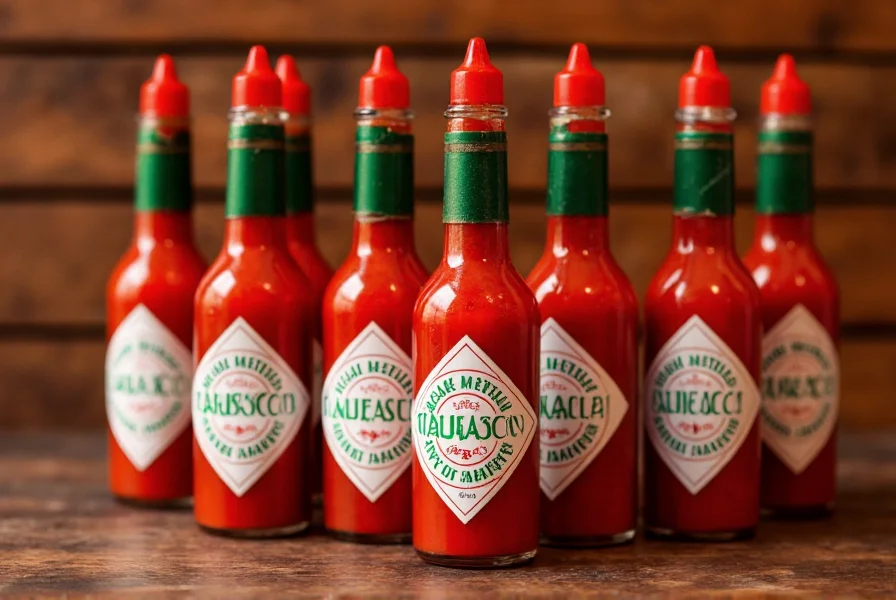
Understanding the Scoville rating of Tabasco pepper sauce provides valuable context for heat enthusiasts and casual users alike. While many assume Tabasco ranks among the hottest commercial sauces, its actual heat level sits comfortably below common peppers like habaneros or ghost peppers. The Scoville scale, developed by pharmacist Wilbur Scoville in 1912, measures pungency through capsaicin concentration—the compound responsible for that characteristic burning sensation.
Tabasco's distinctive heat profile results from a specific production process. The sauce uses fully matured Tabasco peppers, which naturally fall in the 30,000-50,000 SHU range when fresh. However, the final product's heat diminishes significantly during processing. The peppers are mashed with salt and aged in white oak barrels for up to three years, then diluted with vinegar. This aging and dilution process reduces the final sauce's heat to that 2,500-5,000 SHU range.
Historical consistency in production methods explains Tabasco's stable heat profile. According to the Smithsonian National Museum of American History, the core process has evolved through three distinct phases since 1868: initial hand-mashing in discarded oak barrels (1868-1940s), standardized vinegar dilution ratios (1940s-1980s), and modern quality control systems while preserving the essential three-year aging period. This evolution maintained the sauce's signature heat level despite industrial scaling, with batch testing confirming consistent 2,500-5,000 SHU measurements since the 1950s [1].
When comparing Tabasco sauce scoville units to other popular options, the context becomes clearer. Bell peppers register 0 SHU, while jalapeños range from 2,500-8,000 SHU—meaning Tabasco sauce heat level overlaps with the lower end of jalapeño heat. Sriracha typically measures 1,000-2,200 SHU, making it milder than Tabasco, while cayenne-based sauces often reach 30,000-50,000 SHU.
| Pepper/Sauce | Scoville Heat Units | Production Context |
|---|---|---|
| Bell Pepper | 0 SHU | No capsaicin production |
| Tabasco Sauce | 2,500-5,000 SHU | Aged peppers diluted with vinegar |
| Jalapeño Pepper | 2,500-8,000 SHU | Heat varies by growing conditions |
| Habanero Pepper | 100,000-350,000 SHU | Unprocessed fresh fruit |
| Ghost Pepper | 855,000-1,041,427 SHU | Extreme capsaicin concentration |
The consistency of Tabasco sauce scoville measurement remains remarkably stable due to the brand's standardized production methods. Unlike fresh peppers whose heat can vary dramatically based on growing conditions, Tabasco maintains consistent heat levels through controlled aging and precise vinegar dilution. This reliability makes it a dependable choice for recipes requiring predictable heat.
Several factors influence how Tabasco's heat registers on individual palates. Capsaicin sensitivity varies significantly between people—some may perceive Tabasco as quite spicy while others find it mild. The presence of other ingredients in a dish can also modify heat perception; fats and dairy products help neutralize capsaicin, while acidic components may intensify the burning sensation.
Context boundaries critically determine Tabasco's suitability. Research from the University of California Agriculture and Natural Resources confirms it excels in acidic preparations like Bloody Marys or tomato sauces where vinegar complements the base, but becomes problematic in dairy-rich dishes where capsaicin binds to fats causing prolonged burning [2]. Additionally, the American College of Gastroenterology specifically advises against using highly acidic sauces like Tabasco for GERD management, as its dual acidity-heat profile exacerbates reflux symptoms despite moderate SHU ratings [3]. Culinary professionals note it's unsuitable for delicate seafood applications where slower-building chipotle heat would be preferable.
When exploring tabasco pepper heat level in culinary applications, consider that its vinegar base creates a different heat profile than oil-based hot sauces. The vinegar delivers a sharper, more immediate heat that dissipates relatively quickly compared to the lingering burn of capsaicin-rich sauces. This characteristic makes Tabasco particularly suitable for dishes where you want noticeable but not overwhelming heat.
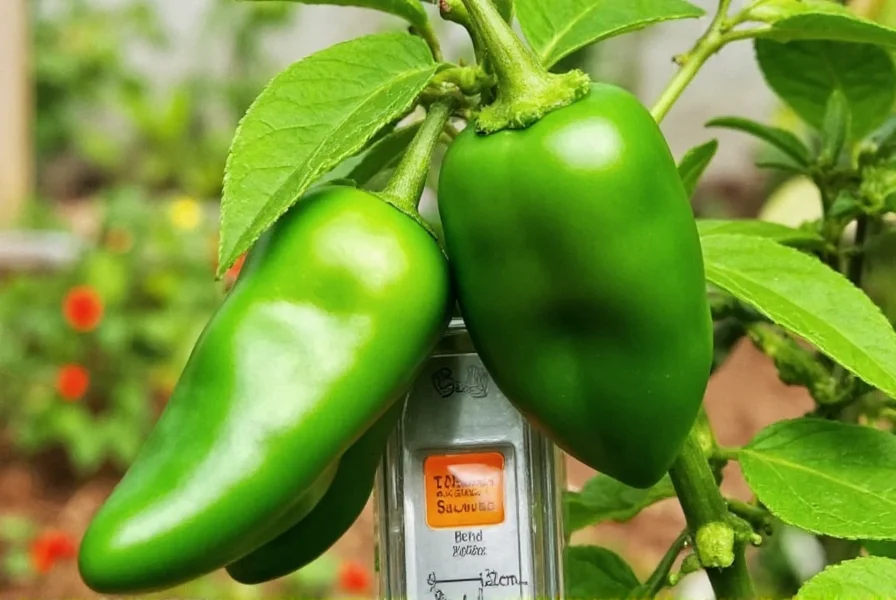
For those curious about how hot is tabasco sauce on scoville scale relative to homemade preparations, note that fresh Tabasco peppers measure significantly hotter than the commercial sauce. The aging process and vinegar dilution reduce the final product's heat substantially. This explains why growing Tabasco peppers at home yields much hotter results than the bottled sauce most consumers know.
Understanding these nuances helps consumers make informed choices about heat levels. Whether you're exploring mild hot sauces or building tolerance for spicier options, knowing Tabasco's precise position on the Scoville scale provides valuable reference. The sauce's enduring popularity stems partly from this accessible heat level combined with its distinctive tangy flavor profile.




 浙公网安备
33010002000092号
浙公网安备
33010002000092号 浙B2-20120091-4