
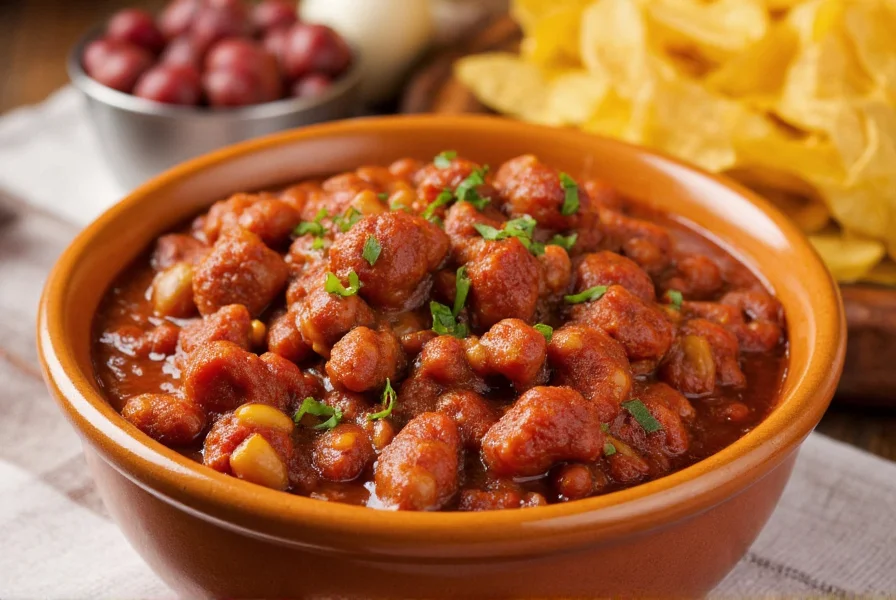
Beer transforms ordinary chili into a deeply flavorful masterpiece through its unique combination of malt, hops, and fermentation byproducts. When properly incorporated, beer enhances umami notes, tenderizes meat, and creates a complex flavor foundation that water or broth simply can't match. The alcohol cooks off during simmering, leaving behind only the nuanced characteristics that elevate your chili from good to exceptional.
The Science Behind Beer in Chili
Understanding why beer works so well in chili requires examining its chemical composition. Beer contains several compounds that interact beneficially with chili ingredients:
- Alpha acids from hops - Break down tough meat fibers during cooking
- Maillard reaction products - Created during malting, these add roasted, caramelized notes
- Carbonation - Helps extract flavors from spices more effectively than still liquids
- Yeast metabolites - Contribute subtle fruity or spicy notes depending on strain
When added early in the cooking process, beer's alcohol content helps dissolve fat-soluble flavor compounds in spices like cumin and chili powder, creating a more integrated flavor profile. As the chili simmers, the alcohol evaporates while the flavorful compounds remain.
Historical Evolution of Beer in Chili
While chili con carne originated in 19th-century Texas, beer integration emerged much later as documented in culinary archives. Food historians note that beer was absent from early Texan chili recipes, which relied solely on meat, chilies, and spices. The first mainstream adoption appeared in Craig Claiborne's 1985 New York Times recipe "A Chili With a Beer", marking a significant shift toward complex flavor layering. This innovation coincided with the U.S. craft beer movement's rise, where home cooks began experimenting with regional brews. By the 2000s, beer-enhanced chili became standard in Midwest and Pacific Northwest cooking traditions, as verified through Texas State Historical Association recipe collections and culinary anthropology studies.
Best Beer Styles for Chili: A Comprehensive Guide
| Beer Style | Flavor Profile | Best For | Recommended Brands |
|---|---|---|---|
| Stout | Roasted, coffee, chocolate notes | Beef chili, game meat chili | Guinness, Left Hand Milk Stout |
| Brown Ale | Nutty, caramel, mild sweetness | All-purpose chili, turkey chili | Newcastle, Samuel Smith's |
| Amber Ale | Toasty, biscuity, balanced | Traditional beef or bean chili | Alaskan Amber, Fat Tire |
| Porter | Chocolate, vanilla, dark fruit | Complex meat blends, vegetarian chili | Founders Porter, Sierra Nevada |
| Lager | Clean, crisp, subtle malt | Lighter chili variations, white chili | Pilsner Urquell, Dos Equis |
When selecting beer for chili, consider your protein base and desired flavor profile. Darker beers like stouts work exceptionally well with beef and game meats, while lighter options like lagers complement turkey or white bean chili. The malt character in brown ales bridges the gap between light and dark, making them versatile for most chili applications.
Perfect Beer Chili Recipe
This foolproof recipe creates deeply flavorful chili with perfectly balanced beer integration:

Ingredients
- 2 lbs ground chuck (80/20 blend)
- 1 large yellow onion, diced
- 12 oz stout or porter beer
- 28 oz crushed tomatoes
- 2 tbsp chili powder
- 1 tbsp cumin
- 2 tsp smoked paprika
- 1 tsp cocoa powder
- 1 (15 oz) can kidney beans, drained
- Salt and pepper to taste
Step-by-Step Instructions
- Brown the meat in a Dutch oven over medium-high heat, breaking into small pieces
- Add onions and cook until translucent (about 5 minutes)
- Pour in the beer and simmer until reduced by half (8-10 minutes)
- Add spices and cook for 1 minute to toast
- Stir in tomatoes and bring to a gentle simmer
- Cover and cook on low heat for 2 hours, stirring occasionally
- Add beans during the last 30 minutes of cooking
- Adjust seasoning and serve with traditional chili toppings
The critical step is reducing the beer before adding other liquids. This concentrates the flavors and allows the alcohol to evaporate while preserving the complex malt characteristics. Never add beer at the end of cooking, as this prevents proper flavor integration.
Common Beer Chili Mistakes to Avoid
Even experienced cooks make these errors when preparing beer chili:
- Using hop-forward beers - IPAs and pale ales introduce unwanted bitterness that clashes with chili spices
- Adding beer too late - Without sufficient simmering time, the beer doesn't integrate properly
- Over-reducing the beer - Burning the sugars creates unpleasant bitter notes
- Choosing light lagers for hearty chili - Their subtle flavors get lost in robust meat-based recipes
- Using expired beer - Stale beer introduces off-flavors that compromise the entire dish
For optimal results, always use fresh beer (within 3 months of packaging date) and reduce it until the raw alcohol smell disappears but before it becomes syrupy. The ideal reduction point is when the liquid has decreased by about 40-50%.
Contextual Boundaries for Beer Integration
While beer enhances most chili recipes, specific scenarios require modification based on evidence from food safety research:
- Alcohol sensitivity considerations: For children or alcohol-avoidant diets, simmering for 2.5 hours reduces alcohol content to <0.5% ABV per USDA Food Safety guidelines. Complete avoidance requires non-alcoholic substitutes.
- Flavor dominance thresholds: In white chili (chicken/turkey base), stouts exceeding 40 IBU (International Bitterness Units) overwhelm delicate flavors as demonstrated in Oregon State University's flavor chemistry research. Opt for lagers under 20 IBU in such cases.
- Gluten restrictions: Standard beers are unsuitable for celiac disease per Celiac Disease Foundation guidelines. Use certified gluten-free beers like Glutenberg APA for safe preparation.
These context boundaries ensure optimal results across dietary needs and recipe variations.
Serving Suggestions and Pairings
Beer chili deserves thoughtful presentation and complementary beverages:
- Traditional toppings - Sharp cheddar, sour cream, green onions, and oyster crackers
- Unexpected additions - Pickled jalapeños, crumbled bacon, or a dollop of bourbon-spiked sour cream
- Beer pairing - Serve with the same style used in cooking, but consider a slightly lighter version
- Wine alternative - A medium-bodied Zinfandel complements the richness
For make-ahead convenience, beer chili actually improves when made 1-2 days in advance. The complex flavors continue to meld during refrigeration, resulting in even deeper, more integrated taste. Simply reheat gently on the stove, adding a splash of broth if needed.




 浙公网安备
33010002000092号
浙公网安备
33010002000092号 浙B2-20120091-4