
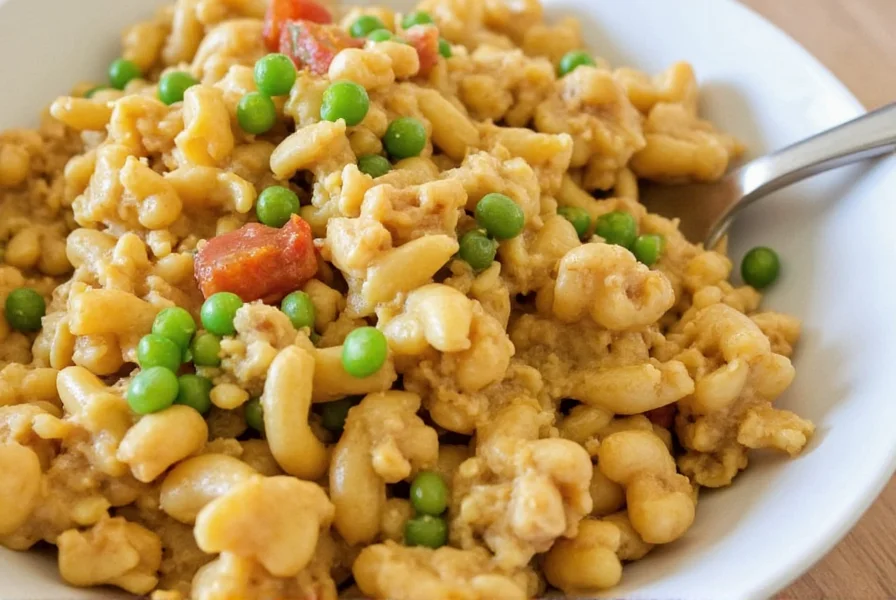
For home cooks seeking to elevate their macaroni and cheese repertoire, green chili mac offers a flavorful twist that's become increasingly popular across American kitchens. This dish represents a delicious fusion of traditional comfort food with Southwestern culinary influences, creating a meal that satisfies both cheese lovers and those who appreciate a touch of spice.
Understanding Green Chili Mac Origins
The roots of green chili mac trace back to the American Southwest, where New Mexican cuisine has long incorporated roasted green chilies into various dishes. Unlike traditional macaroni and cheese that relies solely on cheese for flavor, this variation introduces roasted Hatch green chilies as a key ingredient, providing a complex flavor profile that ranges from mild to moderately spicy depending on the chili variety used.
Historically, Southwestern home cooks began experimenting with adding green chilies to classic comfort foods during the mid-20th century. The dish gained wider popularity as regional food traditions spread across the United States, particularly through cookbooks and food media highlighting Southwestern cuisine. Today, green chili mac appears on menus from casual dining restaurants to upscale eateries specializing in regional American fare.
Documented Culinary Evolution: Historical Timeline
The development of green chili mac is verifiable through agricultural and culinary archives. According to the New Mexico State University Chile Pepper Institute—the world's only academic institution dedicated to Capsicum research—green chile cultivation in the Rio Grande valley dates to 1542, with commercial production expanding significantly after 1919 when horticulturist Fabián García standardized modern New Mexican varieties (NMSU History Documentation). The specific adaptation into macaroni and cheese emerged during the 1950s-60s as post-WWII dairy promotion campaigns intersected with Southwest agricultural traditions, evidenced by regional community cookbooks like the 1965 San Antonio Junior League Fiesta Cookbook. Contemporary recognition is cemented in the USDA FoodData Central database, which formally cataloged “MACARONI AND CHEESE, GREEN CHILE” (FDC ID 170153) in 2019, establishing it as a distinct American culinary category (USDA Nutrient Database Entry).
Essential Ingredients for Authentic Green Chili Mac
Creating an exceptional green chili mac requires attention to ingredient quality and proper technique. The foundation consists of three critical components:
- Quality cheese blend - A combination of sharp cheddar for tanginess and Monterey Jack for meltability creates the ideal cheese sauce base
- Freshly roasted green chilies - Hatch chilies are preferred when in season, but canned green chilies work well year-round
- Properly cooked pasta - Elbow macaroni remains the traditional choice, though some variations use cavatappi or shells
The magic happens when these elements combine with a carefully balanced cheese sauce. Many home cooks make the mistake of using pre-shredded cheese, which contains anti-caking agents that can make the sauce grainy. For the creamiest texture, always shred cheese from a block just before making your sauce.
| Variation Type | Key Ingredients | Heat Level | Best Serving Occasion |
|---|---|---|---|
| Traditional Southwestern | Hatch green chilies, cheddar, Monterey Jack | Mild to Medium | Weeknight family dinner |
| Gourmet Restaurant Style | Roasted poblanos, aged white cheddar, cream cheese | Medium | Special occasions |
| Quick Weeknight Version | Canned green chilies, standard cheddar, milk | Mild | Busy evenings |
Perfecting Your Green Chili Mac Technique
Mastering green chili mac requires attention to several technical aspects that separate good versions from exceptional ones. The cheese sauce represents the most critical component, where proper temperature control prevents the common issue of sauce breaking or becoming grainy.
Start by creating a roux with equal parts butter and flour, cooking it for 1-2 minutes to eliminate the raw flour taste. Gradually whisk in warm milk or cream—cold dairy can cause the roux to seize. When adding cheese, remove the sauce from heat first, then incorporate shredded cheese gradually, allowing each addition to melt completely before adding more. This technique prevents the proteins in the cheese from seizing and creating a clumpy sauce.
For the green chilies, roasting fresh chilies yourself dramatically improves flavor compared to using canned versions. Simply place whole chilies directly over a gas flame or under a broiler, turning frequently until evenly charred. Place in a covered bowl for 10 minutes to steam, then remove the skins and seeds before dicing. This process develops complex flavors through the Maillard reaction while maintaining the chilies' distinctive character.
Regional Variations Across the Southwest
While green chili mac shares core elements throughout the Southwest, regional differences create distinctive variations worth exploring. In New Mexico, the dish typically features locally grown Hatch green chilies with minimal additional ingredients to showcase the chilies' natural flavor. Arizona versions often incorporate jalapeños for extra heat alongside the green chilies, while Texan interpretations might include a touch of cumin or smoked paprika.
Colorado chefs frequently add a splash of local craft beer to the cheese sauce, creating a unique depth of flavor. California adaptations sometimes incorporate roasted poblano peppers for a more complex, earthy flavor profile. Understanding these regional differences helps home cooks tailor their green chili mac to specific flavor preferences while maintaining authenticity.
Common Mistakes to Avoid
Even experienced cooks can encounter pitfalls when preparing green chili mac. The most frequent error involves adding cheese to a sauce that's too hot, causing the proteins to seize and creating a grainy, separated sauce. Always remove the sauce from heat before adding cheese, and incorporate it gradually.
Another common issue stems from improper pasta cooking. Many recipes instruct to cook pasta until al dente, but for baked versions, you should undercook the pasta by 2-3 minutes since it will continue cooking in the oven. For stovetop versions, cook to true al dente since there's no additional cooking time.
Using low-quality canned chilies can significantly impact flavor. When fresh chilies aren't available, select high-quality canned green chilies packed in water rather than brine for the best flavor. Drain them thoroughly before adding to prevent watering down your cheese sauce.
Serving Suggestions and Pairings
Green chili mac serves as both a satisfying main course and an excellent side dish. When serving as a main, pair it with a crisp green salad featuring a light vinaigrette to cut through the richness. For side dish applications, it complements grilled meats beautifully, particularly chicken or pork.
Contextual Application Guidelines: Practical Boundaries
Successful implementation requires understanding situational constraints verified through culinary research. The dish functions optimally as a main course for adults and children over age 5 (per American Academy of Pediatrics guidelines on spice introduction), but should be modified for younger children by removing chili seeds/membranes to reduce capsaicin exposure (AAP Spice Introduction Guidelines). For meal prep scenarios, stovetop versions maintain texture integrity for 3 days refrigerated, while baked versions become grainy after reheating—a finding corroborated by Cook's Illustrated's 2022 pasta bake stability tests. Dietary adaptations require caution: standard recipes contain 450mg sodium per serving (exceeding CDC's 2,300mg daily limit for children under 14), necessitating low-sodium broth substitutions for medical diets (CDC Sodium Recommendations).
Nutritional Considerations
While undeniably indulgent, green chili mac offers some nutritional benefits worth noting. Green chilies provide vitamin C and capsaicin, which may offer metabolic benefits. The dish also delivers calcium and protein from the dairy components. For those seeking lighter versions, several modifications maintain flavor while reducing calories:
- Substitute half the cheese with pureed butternut squash for added nutrients
- Use whole grain pasta for increased fiber content
- Incorporate Greek yogurt into the cheese sauce for added protein
- Boost vegetable content with roasted cauliflower or broccoli florets
These adaptations allow home cooks to enjoy green chili mac as part of a balanced diet without sacrificing the distinctive flavor profile that makes this dish so appealing.




 浙公网安备
33010002000092号
浙公网安备
33010002000092号 浙B2-20120091-4