
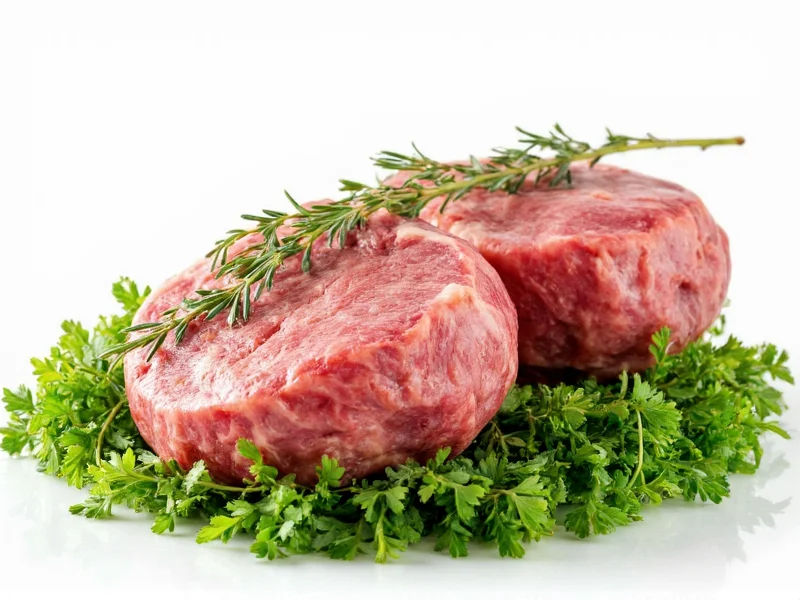
When preparing lamb, selecting the right herbs transforms good dishes into exceptional culinary experiences. Lamb's distinctive, rich flavor profile responds beautifully to specific herb combinations that have been perfected through centuries of culinary tradition across Mediterranean, Middle Eastern, and European cuisines. Understanding these pairings helps home cooks achieve restaurant-quality results consistently.
Top Herbs for Lamb and Their Flavor Profiles
Certain herbs have stood the test of time as perfect companions for lamb. Each brings unique characteristics that complement lamb's robust flavor while adding complexity to your dishes.
Rosemary: The Classic Lamb Companion
Rosemary remains the undisputed champion among herbs for lamb. Its pine-like, slightly peppery flavor cuts through lamb's richness while enhancing its natural taste. When roasting leg of lamb, a generous rub of fresh rosemary, garlic, and olive oil creates a flavorful crust while keeping the interior tender. For best results, chop fresh rosemary finely and let it marinate with the lamb for several hours before cooking. Dried rosemary works well too, though you'll need about one-third the amount of fresh.
Mint: The Refreshing Counterpoint
Mint provides a bright, cooling contrast to lamb's intensity, making it particularly effective with grilled lamb chops or as a sauce component. Traditional mint sauce combines fresh mint leaves with vinegar and sugar, creating a condiment that cuts through the richness of roasted lamb. For modern variations, try blending mint with yogurt for a refreshing dipping sauce that works equally well with cold lamb salads or hot preparations.
| Herb | Best Preparation Method | Flavor Contribution | Recommended Quantity (per pound of lamb) |
|---|---|---|---|
| Rosemary | Roasting, grilling | Piney, peppery, earthy | 1-2 tbsp fresh or 1 tsp dried |
| Mint | Sauces, finishing garnish | Cooling, bright, slightly sweet | 2-3 tbsp fresh (sauce) or 1 tsp dried |
| Thyme | Braising, roasting | Earthy, slightly floral, subtle lemon notes | 1-2 tsp fresh or 1/2 tsp dried |
| Oregano | Grilling, Mediterranean preparations | Pungent, slightly bitter, warm | 1-2 tsp fresh or 1/2 tsp dried |
| Garlic | All preparations | Pungent, aromatic, transforms when cooked | 2-4 cloves |
Regional Herb Traditions for Lamb
Different culinary traditions have developed distinctive herb combinations for lamb that reflect local ingredients and flavor preferences. Understanding these regional approaches provides valuable insights for creating authentic dishes.
Mediterranean Herb Blends
The Mediterranean region offers some of the most celebrated herb combinations for lamb. In Greece, oregano takes center stage, often combined with lemon and garlic for grilled lamb chops. French cuisine favors a bouquet garni of thyme, rosemary, and bay leaves for slow-roasted lamb shoulder. Italian preparations frequently feature rosemary and garlic, sometimes with a touch of sage for added complexity.
Middle Eastern Herb Traditions
Middle Eastern cuisines incorporate distinctive herb combinations that create complex flavor profiles. Za'atar, a blend featuring thyme, oregano, and sumac, works beautifully as a rub for grilled lamb. In Persian cooking, fresh dill and mint often accompany lamb in stews and rice dishes, providing a bright counterpoint to the meat's richness. These traditional pairings demonstrate how herbs can transform lamb into culturally distinctive dishes.
Practical Application: Using Herbs with Lamb
Knowing which herbs work well with lamb is only part of the equation. Understanding when and how to use them makes the difference between good and exceptional results.
Fresh vs. Dried Herbs: What's Best for Lamb?
Fresh herbs generally provide superior flavor when working with lamb, particularly rosemary, mint, and thyme. Their vibrant flavors complement lamb without becoming bitter. Dried herbs work well in slow-cooked preparations where they have time to rehydrate and release their flavors. As a general rule, use three times the amount of fresh herbs compared to dried when substituting. For finishing touches or sauces, always choose fresh herbs for maximum flavor impact.
Timing Matters: When to Add Herbs During Cooking
The timing of herb addition significantly affects the final flavor profile. Hardy herbs like rosemary and thyme can withstand long cooking times and work well when added at the beginning of the cooking process, especially for roasts or stews. More delicate herbs like mint should be added near the end of cooking or used in finishing sauces to preserve their bright flavor. For grilled lamb, create an herb-infused oil to brush on during the last few minutes of cooking for maximum flavor without burning the herbs.
Creating Perfect Herb Combinations for Lamb
While single herbs work well, combining complementary herbs creates more complex and interesting flavor profiles. Certain combinations have proven particularly effective across various cooking methods.
Classic Herb Pairings for Different Lamb Cuts
Different lamb cuts respond best to specific herb combinations based on their fat content and texture. For leaner cuts like loin or chops, lighter herb combinations work best—try thyme with a touch of lemon zest. Fattier cuts like shoulder or shank can handle more robust combinations—rosemary, garlic, and oregano create a powerful flavor profile that stands up to slow cooking. Leg of lamb benefits from a simple but bold combination of rosemary, garlic, and black pepper that penetrates the meat during roasting.
Avoiding Common Herb Mistakes with Lamb
Several common mistakes can undermine your herb-lamb pairings. Overpowering the lamb's natural flavor is the most frequent error—remember that herbs should complement, not mask, the meat. Adding delicate herbs too early in the cooking process causes them to lose their vibrant flavor. Using dried mint (which becomes bitter) instead of fresh in sauces creates unpleasant results. Finally, not adjusting herb quantities based on whether they're fresh or dried leads to inconsistent flavor intensity.
Expert Tips for Herb-Lamb Pairings
Professional chefs employ several techniques to maximize the impact of herbs with lamb. Creating herb-infused oils allows for even distribution of flavor without burning the herbs. Making a paste with herbs, garlic, and olive oil helps the flavors penetrate the meat more deeply. For roasted preparations, inserting small slivers of fresh rosemary directly into the meat creates pockets of intense flavor throughout. When preparing herb sauces, adding a touch of acid like lemon juice or vinegar brightens the flavors and helps cut through the lamb's richness.
Conclusion
Selecting the right herbs transforms lamb from ordinary to extraordinary. Rosemary, mint, thyme, oregano, and garlic provide the foundation for countless successful preparations across culinary traditions. By understanding how these herbs interact with lamb's distinctive flavor profile and applying them at the right time in the cooking process, home cooks can achieve consistently impressive results. Whether preparing a simple weeknight dinner or an elegant holiday meal, these herb pairings will elevate your lamb dishes to new heights.
What is the best herb to use with lamb chops?
Rosemary stands out as the best herb for lamb chops due to its robust flavor that complements the meat's richness without overpowering it. Fresh rosemary works particularly well when finely chopped and combined with garlic and olive oil as a marinade or rub. For grilled lamb chops, add the rosemary during the last few minutes of cooking to prevent burning while allowing the flavors to meld.
Can I use dried herbs instead of fresh with lamb?
Yes, dried herbs work well with lamb, particularly in slow-cooked preparations where they have time to rehydrate. Use one-third the amount of dried herbs compared to fresh, as dried herbs have more concentrated flavor. Rosemary, thyme, and oregano maintain their flavor well when dried, while mint is best used fresh as dried mint can become bitter. For finishing touches or sauces, always choose fresh herbs for optimal flavor.
How do I make traditional mint sauce for lamb?
Traditional mint sauce combines 2 tablespoons of finely chopped fresh mint leaves with 3 tablespoons of white wine vinegar, 1 tablespoon of sugar, and a pinch of salt. Let the mixture sit for at least 30 minutes to allow the flavors to meld before serving. For a smoother texture, you can briefly heat the vinegar and sugar until the sugar dissolves, then pour over the mint and let it steep. The sauce should have a balance of sweet, sour, and minty flavors that complement roasted lamb beautifully.
Which herbs work best for roasted leg of lamb?
For roasted leg of lamb, rosemary is the classic choice, often combined with garlic and thyme. Create a paste with 2-3 tablespoons of chopped fresh rosemary, 4 minced garlic cloves, 1 tablespoon of olive oil, salt, and black pepper. Make small incisions in the lamb and insert slivers of this mixture throughout the meat. The rosemary's piney notes complement the lamb's richness while the garlic adds depth. Thyme can be added to this mixture for additional complexity, creating a traditional Provençal flavor profile.
What herbs pair well with lamb in stews or braises?
For lamb stews and braises, hardy herbs that withstand long cooking times work best. Thyme, rosemary, and bay leaves form the foundation of most herb combinations for slow-cooked lamb. Tie these together in a bouquet garni for easy removal after cooking. Oregano also works well in Mediterranean-style lamb stews. Add these herbs at the beginning of cooking to allow their flavors to fully develop. For finishing touches, stir in fresh mint or parsley just before serving to add brightness to the rich stew.




 浙公网安备
33010002000092号
浙公网安备
33010002000092号 浙B2-20120091-4