
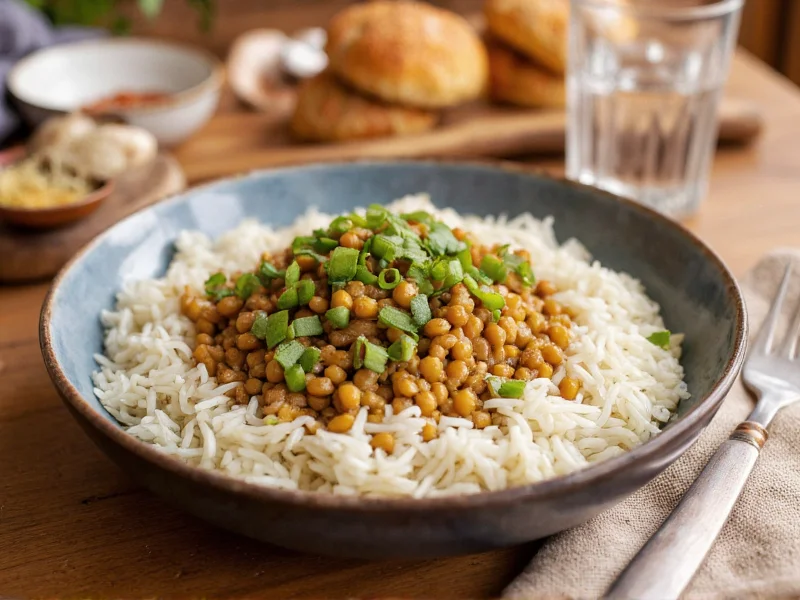
For centuries, cultures across India, the Middle East, Latin America, and Africa have relied on the powerful combination of rice and lentils. This humble pairing isn't just traditional—it's scientifically sound nutrition. When eaten together, these two ingredients create a complete protein profile that rivals animal-based sources, making them indispensable for vegetarians, vegans, and anyone seeking affordable, nutrient-dense meals.
The Complete Protein Science Behind Rice and Lentils
Rice lacks lysine but contains methionine, while lentils are rich in lysine but low in methionine. When combined, they complement each other's amino acid profiles. This biological principle, known as protein complementation, transforms two incomplete plant proteins into a complete protein source containing all nine essential amino acids your body cannot produce on its own.
A standard 1-cup serving of cooked rice and lentils provides approximately 24 grams of protein—comparable to a chicken breast—along with 18 grams of fiber, iron, folate, magnesium, and B vitamins. Unlike animal proteins, this combination delivers zero cholesterol and minimal saturated fat, making it heart-healthy while supporting muscle maintenance and immune function.
| Nutrient | Rice (1 cup) | Lentils (1 cup) | Combined |
|---|---|---|---|
| Protein | 4g | 18g | 22g |
| Fiber | 0.6g | 15.6g | 16.2g |
| Iron | 0.4mg | 6.6mg | 7mg |
| Folate | 9μg | 358μg | 367μg |
Cultural Significance Across Global Cuisines
This nutritional powerhouse appears in traditional dishes worldwide. In India, dal chawal forms the backbone of daily meals, often accompanied by pickles and yogurt. Middle Eastern mujadara combines lentils, rice, and caramelized onions as a comforting staple. Latin American arroz con lentejas typically includes sofrito and spices, while Egyptian kushari adds pasta to the mix.
These dishes evolved independently across continents, demonstrating how different cultures discovered the same nutritional wisdom through practical experience. Many traditional preparation methods, like soaking lentils before cooking or adding tomatoes to enhance iron absorption, reflect generations of culinary knowledge that modern nutrition science now validates.
Optimal Cooking Methods for Maximum Nutrition
Achieving perfect texture requires understanding each ingredient's properties. Brown rice needs 45 minutes of cooking time compared to white rice's 18 minutes, while lentils range from 15 minutes (red lentils) to 45 minutes (green lentils). For best results:
- Sort and rinse both ingredients thoroughly before cooking
- Soak brown rice for 30 minutes to reduce cooking time
- Add lentils to rice during the last 15-20 minutes of cooking
- Maintain a 2:1 water-to-rice ratio plus additional liquid for lentils
- Include acidic elements like tomatoes or lemon juice to boost iron absorption
Many traditional cooks use a pressure cooker to reduce cooking time while preserving nutrients. The sealed environment prevents water-soluble vitamins from escaping, resulting in more nutritious meals. For meal preppers, cooked rice and lentils maintain quality for up to five days refrigerated or three months frozen.
Three Essential Rice and Lentils Recipes
Basic Nutrient-Dense Bowl
Combine 1 cup brown rice with 1½ cups water and ½ teaspoon turmeric. Bring to boil, then reduce heat. After 20 minutes, add 1 cup rinsed green lentils and ½ cup additional water. Cover and cook 25 more minutes. Stir in spinach and lemon juice before serving.
Indian-Style Dal Chawal
Sauté onions, garlic, and ginger. Add ½ cup red lentils, 1 cup water, and spices (cumin, coriander, turmeric). Simmer 15 minutes. Separately cook basmati rice with cardamom. Serve lentils over rice with fresh cilantro.
Middle Eastern Mujadara
Cook ½ cup brown lentils until tender. Prepare rice separately. Caramelize 2 sliced onions slowly over low heat until deep brown. Layer rice, lentils, and onions in serving dish, finishing with extra caramelized onions on top.
Dietary Benefits for Specific Health Goals
This combination particularly benefits those following plant-based diets, providing complete protein without animal products. The high fiber content (16g per serving) promotes satiety, making it valuable for weight management. The low glycemic index of brown rice paired with lentils' protein creates stable blood sugar levels, beneficial for diabetes management.
For digestive health, the soluble and insoluble fiber mix supports regularity while feeding beneficial gut bacteria. Athletes appreciate the sustained energy release from complex carbohydrates combined with muscle-repairing protein. Pregnant women benefit from the high folate content, crucial for fetal development.
Common Questions About Rice and Lentils Nutrition
Do rice and lentils really make a complete protein?
Yes, when consumed together in the same meal, rice and lentils provide all nine essential amino acids. Rice contributes methionine and cysteine while lacking lysine, and lentils provide lysine but are low in methionine. This complementary relationship creates a complete protein profile equivalent to animal-based proteins.
What's the ideal ratio of rice to lentils for balanced nutrition?
The optimal ratio is 1:1 by cooked volume for balanced protein and carbohydrate content. For meal preparation, use ½ cup dry rice to ½ cup dry lentils, which yields approximately 1½ cups of each when cooked. This provides about 24g protein and 60g complex carbohydrates per serving while maintaining proper texture.
Can I prepare rice and lentils in one pot?
Absolutely. For brown rice and green lentils, use a 3:1 water-to-dry-ingredients ratio. Sauté aromatics first, add rinsed rice and lentils, then pour in hot water. Bring to boil, reduce heat, cover, and cook 40-45 minutes. For quicker cooking red lentils with white rice, use 2½:1 water ratio and cook 20 minutes. One-pot methods preserve nutrients while simplifying cleanup.
How do I improve iron absorption from rice and lentils?
Pair your rice and lentils meal with vitamin C-rich foods like tomatoes, bell peppers, or citrus. The vitamin C converts non-heme iron (found in plants) into a more absorbable form. Avoid drinking tea or coffee with the meal, as tannins inhibit iron absorption. Cooking in cast iron pots can also increase iron content by up to 16 times.
Are there any digestive concerns with eating rice and lentils together?
Some people experience gas or bloating initially due to the high fiber content. To minimize this, start with smaller portions and gradually increase consumption to allow your gut microbiome to adjust. Always rinse lentils thoroughly and consider soaking them for 2-4 hours before cooking. Adding digestive spices like cumin, ginger, or asafoetida during cooking can also reduce discomfort.




 浙公网安备
33010002000092号
浙公网安备
33010002000092号 浙B2-20120091-4