
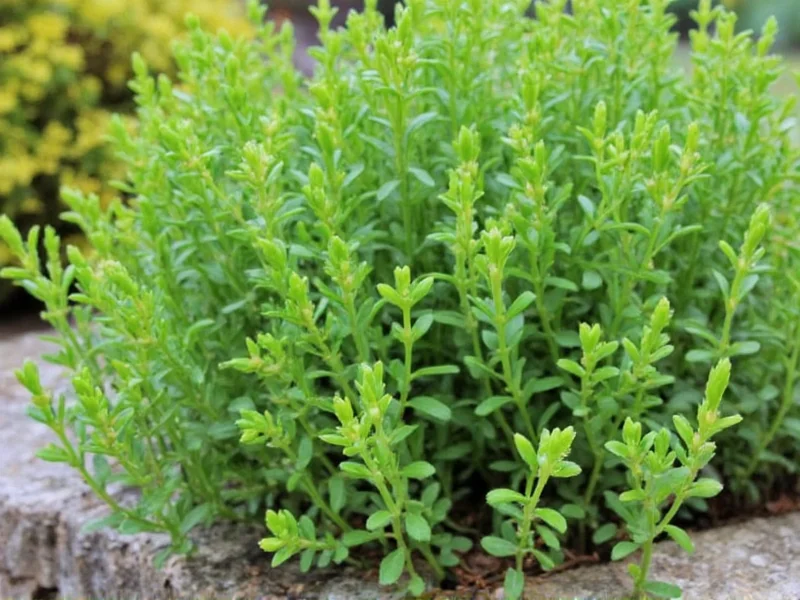
Understanding Thyme's Garden Compatibility
Thyme (Thymus vulgaris) isn't just a culinary staple—it's a powerhouse companion plant that transforms garden dynamics. This hardy perennial herb originates from Mediterranean regions, bringing with it specific growing preferences that determine its ideal garden partners. When selecting thyme companion plants, understanding these fundamental requirements ensures successful pairings.
Thyme thrives in well-drained, slightly alkaline soil with a pH between 6.0 and 8.0. It requires at least 6-8 hours of direct sunlight daily and prefers moderate watering—overwatering causes root rot. These conditions naturally align with other Mediterranean herbs and certain vegetables that share similar environmental needs. The herb's low-growing, spreading habit creates ground cover that suppresses weeds while its strong aroma deters pests through natural chemical compounds like thymol.
Top Vegetable Companions for Thyme
Thyme's pest-repelling properties make it particularly valuable when planted near vegetables vulnerable to common garden pests. The herb's volatile oils confuse and deter insects seeking host plants, reducing the need for chemical interventions.
| Vegetable | Benefits of Pairing with Thyme | Implementation Tips |
|---|---|---|
| Tomatoes | Repels whiteflies and tomato hornworms; improves flavor | Plant thyme at base of tomato plants or in alternating rows |
| Eggplants | Deters flea beetles and aphids | Interplant thyme between eggplant seedlings |
| Cabbage family | Confuses cabbage moths with strong scent | Plant thyme as border around brassica beds |
| Strawberries | Repels ants and slugs; improves fruit flavor | Use creeping thyme as living mulch between strawberry plants |
Herb Partners That Enhance Thyme's Performance
When creating an herb garden, strategic companion planting maximizes space while creating synergistic relationships. Thyme pairs exceptionally well with other Mediterranean herbs that share its preference for dry, sunny conditions.
Rosemary and thyme form a powerful pest-repelling duo, with both herbs deterring cabbage moths and carrot flies. Their similar water requirements prevent competition, while their complementary growth habits create a dense aromatic barrier. Sage benefits from thyme's ability to attract pollinators, improving seed set for both herbs. Oregano and thyme create a dynamic ground cover that suppresses weeds while their combined essential oils provide broad-spectrum pest protection.
Consider planting lavender near thyme for enhanced visual appeal and increased bee activity. Both herbs bloom simultaneously, creating a continuous nectar source that supports beneficial insects throughout the growing season. This combination also deters deer and rabbits through their strong collective scent.
Flowers That Flourish with Thyme
Incorporating flowers into your thyme companion planting strategy creates a balanced ecosystem. Marigolds (Tagetes spp.) planted alongside thyme form a formidable defense against nematodes and aphids. The marigolds' root exudates suppress soil-borne pests while thyme's foliage deters flying insects.
Yarrow (Achillea millefolium) makes an excellent thyme companion, attracting predatory insects like ladybugs and lacewings that control aphid populations. Its deep roots bring nutrients to the soil surface, benefiting thyme's shallow root system. Calendula serves dual purposes—its bright flowers attract pollinators while repelling asparagus beetles and tomato hornworms.
For ornamental gardens, consider pairing thyme with creeping veronica or sedum. These combinations create visually appealing ground covers with complementary textures and colors while maintaining similar water and soil requirements.
Plants to Avoid with Thyme
Not all plants make suitable thyme companions. Understanding incompatible pairings prevents wasted effort and potential garden problems. Plants requiring consistently moist soil conflict with thyme's drought tolerance. Basil, for example, needs regular watering that would promote root rot in thyme.
High-nitrogen feeders like lettuce and spinach compete with thyme for soil nutrients while creating overly moist microclimates. Mint family plants (including mint itself) spread aggressively through underground runners, potentially overwhelming thyme's slower growth habit.
Additionally, avoid planting thyme near plants that attract the same pests. While thyme deters many insects, it doesn't repel all species. Pairing it with plants vulnerable to the same pests creates concentrated targets rather than distributed protection.
Implementing Thyme Companion Planting
Successful companion planting requires thoughtful garden design. Start by mapping your garden space according to sun exposure and soil drainage—thyme needs the sunniest, driest spots. Group plants with similar water requirements together, creating moisture zones throughout your garden.
For vegetable gardens, plant thyme at the edges of beds or in alternating rows with compatible vegetables. In herb gardens, create clusters of Mediterranean herbs (thyme, rosemary, oregano, sage) that share similar needs. When designing ornamental beds, use thyme as a living mulch beneath taller companion plants.
Spacing considerations matter—thyme typically needs 12-18 inches between plants. When pairing with vegetables, plant thyme seedlings 6-8 inches from vegetable stems to avoid competition while maintaining pest-repelling benefits. For ground cover applications, space creeping thyme varieties 8-12 inches apart to encourage rapid coverage.
Scientific Basis for Thyme Companion Planting
Research supports thyme's effectiveness as a companion plant. Studies published in the Journal of Economic Entomology demonstrate that thyme's essential oils, particularly thymol, disrupt insect olfactory systems, making host plants harder to locate. This "masking effect" reduces pest damage by up to 40% in companion-planted systems.
The evolution of scientific understanding in thyme companion planting includes these key developments:
- 2001: A landmark review in Annual Review of Entomology established the scientific foundation for companion planting, confirming thyme's role in pest disruption through volatile organic compounds (Letourneau & Armbrecht, 2001).
- 2004: Research in International Journal of Food Microbiology identified thymol as the primary compound responsible for disrupting insect olfactory systems (Burt, 2004).
- 2015: University of California field trials quantified a 30% increase in beneficial insect populations in gardens using thyme as a companion plant (UC IPM, 2015).
Thyme also functions as a trap crop for certain beneficial insects. Its small flowers provide nectar for parasitic wasps that prey on common garden pests. Research from the University of California shows gardens with thyme and other flowering herbs maintain 30% higher populations of beneficial insects compared to herb-free gardens.
Soil science reveals additional benefits—thyme's root exudates contain compounds that suppress soil-borne pathogens while promoting mycorrhizal fungi development. This creates healthier soil conditions for neighboring plants, particularly those in the nightshade family.
Troubleshooting Common Issues
Even well-planned companion plantings encounter challenges. If thyme shows yellowing leaves when paired with vegetables, overwatering is likely the culprit—adjust irrigation to match thyme's needs rather than the vegetables'. For poor growth in thyme companions, test soil pH; thyme prefers slightly alkaline conditions that may require lime amendments in acidic soils.
When pests persist despite companion planting, consider adding additional layers of protection. Interplanting thyme with garlic or onions creates a multi-scent barrier that confuses more pest species. For severe infestations, supplement companion planting with targeted organic controls like neem oil, applied in the evening to avoid harming beneficial insects attracted by thyme.
Contextual Limitations of Thyme Companion Planting
Thyme's companion planting benefits are context-dependent and may not perform equally across all environments. Understanding these limitations prevents misapplication and ensures realistic expectations.
Climate Constraints: Thyme thrives in Mediterranean climates (USDA zones 5-9) with dry summers. In humid subtropical regions (e.g., USDA zones 7b-10a with high rainfall), thyme is prone to root rot and fungal diseases, reducing its effectiveness. The University of Florida IFAS Extension notes that thyme requires "excellent drainage" and warns against planting in "heavy, wet soils" common in the southeastern United States (UF/IFAS, 2015).
Soil pH Sensitivity: While thyme tolerates a pH range of 6.0-8.0, its pest-repelling compounds are most effective in slightly alkaline conditions. In highly acidic soils (pH < 6.0), thyme's essential oil production decreases, diminishing its companion benefits (Silva et al., 2018).
Companion Plant Restrictions: Thyme should not be paired with moisture-loving plants in the same immediate microclimate. For example, in raised bed gardens, separate thyme from basil or lettuce by at least 24 inches to avoid irrigation conflicts. The Royal Horticultural Society advises grouping plants with similar water requirements to prevent compromising plant health (RHS, Companion Planting Guide).
Seasonal Considerations for Thyme Companions
Thyme's perennial nature creates unique seasonal dynamics in companion planting. In spring, pair thyme with cool-season crops like peas and spinach, which benefit from thyme's early pest protection. As temperatures rise, transition to heat-loving companions like tomatoes and eggplants.
Fall presents opportunities to plant thyme with overwintering crops like garlic and kale. Thyme's evergreen nature provides winter interest while continuing to protect dormant plants. In regions with mild winters, thyme continues flowering, supporting pollinators when few other nectar sources exist.
Rotate annual companions each season while maintaining thyme as a perennial anchor. This prevents soil depletion while maintaining thyme's established pest-repelling benefits. Replace thyme plants every 3-4 years to maintain vigor, replanting in the same location with proper soil amendments.




 浙公网安备
33010002000092号
浙公网安备
33010002000092号 浙B2-20120091-4