
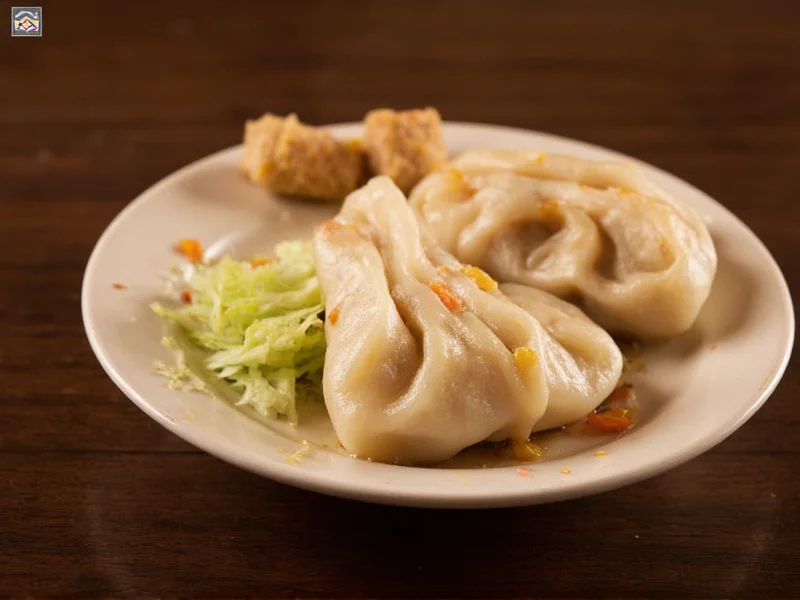
Exploring DD Hibachi's Culinary Fusion Concept
DD Hibachi represents an innovative approach to Asian cuisine by thoughtfully combining two distinct culinary traditions. While hibachi-style cooking originates from Japan with its theatrical tableside preparation, soup dumplings (xiaolongbao) come from China's Jiangnan region. This seemingly unlikely pairing creates a dynamic dining experience where guests enjoy both the visual spectacle of hibachi grilling and the delicate craftsmanship of handmade soup dumplings.
The restaurant's concept works because both culinary styles emphasize fresh ingredients and precise technique. Hibachi cooking requires immediate attention to heat control and timing, while soup dumpling preparation demands meticulous folding skills to contain the precious broth within the thin wrapper. At DD Hibachi, chefs trained in both disciplines deliver a cohesive menu rather than a disjointed collection of dishes.
Understanding the Soup Dumpling Offering
DD Hibachi's soup dumplings stand out for their adherence to traditional preparation methods while incorporating quality ingredients. Each dumpling features:
| Characteristic | Details | Traditional Standard |
|---|---|---|
| Wrapper thickness | 0.5mm delicate dough | Thin enough to see filling |
| Filling composition | House-made broth with pork, crab, or vegetarian options | Gelled broth that liquefies when steamed |
| Preparation method | Hand-folded with 18 precise pleats | Maintains structural integrity during steaming |
| Service temperature | Served immediately after steaming | Optimal 165°F for safe consumption |
What distinguishes DD Hibachi's soup dumplings from many competitors is their commitment to traditional preparation rather than shortcuts. Many establishments use pre-made wrappers or frozen dumplings, but DD Hibachi prepares theirs from scratch daily. The broth is carefully crafted to achieve the proper gel consistency that transforms into hot soup when steamed, requiring precise ratios of meat, collagen, and seasonings.
Hibachi Grilling Technique and Quality Control
The hibachi component of DD Hibachi follows authentic Japanese teppanyaki methods with several quality indicators:
- Grills maintained at precise 350-400°F temperature for optimal searing
- Protein selection featuring USDA Prime beef and sustainably sourced seafood
- Custom-blended seasoning without MSG or artificial flavor enhancers
- Traditional knife skills demonstrated during preparation
Unlike some hibachi restaurants that prioritize entertainment over food quality, DD Hibachi maintains culinary integrity through chef training standards. Each chef completes a six-month apprenticeship focusing on both cooking techniques and safety protocols. The restaurant's commitment to quality control includes daily ingredient inspections and temperature monitoring throughout service.
Practical Dining Information for Visitors
For those planning to visit DD Hibachi, understanding the dining experience helps set appropriate expectations. The restaurant typically operates with the following structure:
- Reservations: Recommended for parties of four or more, especially on weekends
- Service style: Hibachi tables require minimum 45-minute seating; soup dumplings available at bar and regular tables
- Price range: Soup dumplings $9-14, hibachi entrees $24-38 per person
- Peak hours: Friday-Saturday 5:30-8:30 PM typically have 20-40 minute waits
First-time visitors should know the proper way to enjoy soup dumplings: gently lift with chopsticks, nibble a small hole in the wrapper, sip the broth, then enjoy the entire dumpling. Many locations provide instructional cards at tables to guide newcomers through this process. The hibachi experience includes chef interaction and tableside cooking, which typically adds 15-20 minutes to meal service compared to standard table service.
How DD Hibachi Compares to Specialized Alternatives
While DD Hibachi offers a unique fusion concept, diners seeking specialized expertise might consider alternatives. The following comparison highlights key differences:
| Establishment Type | Advantages | Limitations |
|---|---|---|
| DD Hibachi (fusion) | Variety of cooking styles, entertaining experience, suitable for groups | Less specialized expertise in either cuisine compared to dedicated specialists |
| Dedicated soup dumpling house | Deeper expertise in dumpling varieties and preparation techniques | Limited menu options beyond dumplings and complementary dishes |
| Traditional hibachi restaurant | Specialized grilling techniques, consistent performance | No soup dumpling offering, less culinary variety |
The fusion approach works particularly well for groups with diverse preferences or diners seeking variety in a single meal. However, culinary purists might prefer specialized establishments for either hibachi or soup dumplings when seeking the most authentic representation of each tradition.
Seasonal Menu Variations and Quality Consistency
DD Hibachi maintains quality consistency while offering seasonal variations that showcase ingredient freshness. Their soup dumpling menu typically rotates through four signature varieties throughout the year:
- Spring: Asparagus and shrimp dumplings with light ginger broth
- Summer: Crab and sea cucumber dumplings with清爽 broth
- Autumn: Pork and black truffle dumplings with rich mushroom broth
- Winter: Lamb and ginger dumplings with warming broth
Despite these seasonal changes, the restaurant maintains strict quality control measures including daily chef tastings, ingredient traceability systems, and customer feedback analysis. This ensures that even with menu variations, the core quality standards for both soup dumplings and hibachi dishes remain consistent across visits.
Final Considerations for Potential Visitors
When evaluating whether DD Hibachi meets your dining expectations, consider these practical factors. The restaurant excels for group dining experiences where entertainment value matters, and for those seeking variety in a single meal. Families with children often appreciate the interactive hibachi experience, while food enthusiasts enjoy the opportunity to sample both culinary traditions.
For the best experience, order soup dumplings as an appetizer while waiting for your hibachi table, or visit during off-peak hours for more attentive service. Those with dietary restrictions should note that while gluten-free and vegetarian options exist, the shared grill surface means cross-contamination is possible in the hibachi portion of the meal.
What makes DD Hibachi's soup dumplings authentic compared to other restaurants?
DD Hibachi prepares soup dumplings from scratch daily using traditional techniques including hand-folding with 18 precise pleats and creating broth that gels at room temperature then liquefies when steamed. Unlike many competitors who use pre-made wrappers or frozen dumplings, their chefs maintain proper wrapper thickness (approximately 0.5mm) and use house-made broths with quality ingredients without shortcuts.
How does DD Hibachi maintain quality across both hibachi and soup dumpling preparations?
DD Hibachi maintains quality through specialized chef training programs (minimum six months apprenticeship), daily ingredient inspections, precise temperature controls for both grilling and steaming, and strict quality control protocols. Their kitchen staff is divided into specialized teams - one focused on dumpling preparation and another on hibachi cooking - each with specific expertise while following unified quality standards.
What should first-time visitors know about ordering and eating soup dumplings at DD Hibachi?
First-time visitors should order soup dumplings as an appetizer since they require separate preparation from hibachi dishes. When eating, gently lift the dumpling with chopsticks, nibble a small hole in the wrapper, carefully sip the hot broth, then enjoy the entire dumpling. Many locations provide instructional cards at tables. It's recommended to allow soup dumplings to cool slightly before eating to avoid burns from the hot broth inside.
Are there vegetarian or gluten-free options for soup dumplings at DD Hibachi?
Yes, DD Hibachi typically offers at least one vegetarian soup dumpling option featuring mushroom and vegetable broth. However, traditional soup dumpling wrappers contain wheat flour, making them unsuitable for gluten-free diets. Some locations may offer modified versions with rice paper wrappers upon advance request, but this varies by location. The hibachi portion of the meal has more gluten-free options, though shared grill surfaces mean cross-contamination is possible.
How does the hibachi experience differ from traditional Japanese teppanyaki?
While DD Hibachi uses the term 'hibachi,' their cooking style more accurately follows Japanese teppanyaki tradition - cooking on a flat iron griddle rather than the traditional cylindrical charcoal brazier of authentic hibachi. Their approach maintains the theatrical tableside cooking element but focuses more on culinary precision than entertainment. Unlike some Americanized hibachi restaurants, DD Hibachi emphasizes proper searing temperatures, quality ingredients, and traditional seasoning rather than excessive showmanship.




 浙公网安备
33010002000092号
浙公网安备
33010002000092号 浙B2-20120091-4