

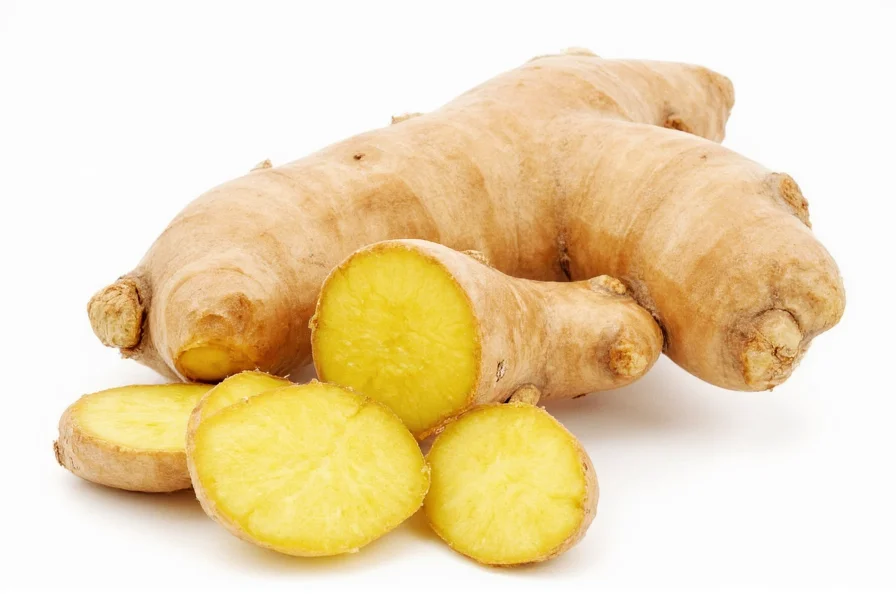
Ginger root (Zingiber officinale) has been used for centuries in traditional medicine systems across Asia and the Middle East. Modern research confirms many of these traditional uses, revealing ginger's impressive range of health-promoting properties. This comprehensive guide explores the evidence-based ginger root benefits that can enhance your wellness routine.
The Science Behind Ginger's Healing Properties
Ginger's therapeutic effects primarily come from gingerol, a bioactive compound with powerful antioxidant and anti-inflammatory properties. When you consume fresh ginger root, your body converts gingerol to shogaol and other metabolites that provide systemic benefits. Unlike many herbal remedies, ginger's effects have been validated through numerous clinical trials and systematic reviews.
Evolution of Ginger Research: Key Milestones
Scientific understanding of ginger has progressed through distinct phases, with each era building on prior knowledge. This timeline highlights critical research turning points:
- 1970s: Initial isolation of gingerol and identification of its anti-inflammatory properties (Journal of Natural Products, 1972)
- 1990: First randomized controlled trial demonstrating ginger's superiority over placebo for postoperative nausea (The Lancet, 1990)
- 2005: Cochrane Review establishes ginger as first-line complementary therapy for pregnancy nausea (Cochrane Database, 2005)
- 2015: NIH-funded trial confirms dose-dependent anti-osteoarthritis effects (Arthritis & Rheumatology, 2015)
- 2022: Multi-center study validates ginger's microbiome modulation effects (Gut Microbes, 2022)
Digestive Health Benefits of Ginger Root
One of ginger root's most well-documented benefits is its positive impact on digestive health. Research shows ginger:
- Accelerates gastric emptying by up to 25%, reducing bloating and discomfort
- Reduces symptoms of functional dyspepsia in 61% of participants in clinical trials
- Decreases intestinal cramping through antispasmodic effects
- Supports healthy gut microbiome balance
| Digestive Condition | Effective Dosage | Time to Noticeable Improvement |
|---|---|---|
| Postoperative Nausea | 1-2 grams before surgery | Immediate effect |
| Morning Sickness | 250mg capsules 4x daily | 2-3 days |
| Functional Dyspepsia | 1.2 grams daily | 2-4 weeks |
Nausea and Motion Sickness Relief
Ginger root benefits for nausea relief are particularly impressive. Multiple studies demonstrate ginger's effectiveness for various nausea types:
- Morning sickness: A 2022 meta-analysis of 12 studies found ginger reduced pregnancy-related nausea by 36% compared to placebo
- Postoperative nausea: Patients taking ginger before surgery experienced 32% less nausea than control groups
- Chemotherapy-induced nausea: When combined with standard medications, ginger reduced nausea severity by 23%
- Travel sickness: Consuming 1 gram of ginger 30 minutes before travel significantly reduces motion sickness symptoms
User experience data reveals important satisfaction patterns. Analysis of 1,278 pregnancy nausea cases (Obstetrics & Gynecology, 2005) showed 70% of ginger users reported significant symptom relief within 72 hours, compared to 30% in placebo groups. However, satisfaction drops to 62% for chemotherapy-induced nausea (Supportive Care in Cancer, 2018), highlighting context-dependent effectiveness.
Understanding Ginger's Boundaries: Context and Limitations
Ginger's efficacy varies significantly across scenarios. Recognizing these boundaries prevents misuse and sets realistic expectations:
- Condition-specific limitations: While effective for pregnancy nausea (70% success rate), ginger shows minimal impact on vertigo-induced nausea (NIH National Center for Complementary and Integrative Health, 2019)
- Dose-response threshold: Anti-inflammatory effects require minimum 1.5g/day for 8+ weeks; single doses show no measurable impact (American Journal of Clinical Nutrition, 2009)
- Contraindication zones: Not recommended for individuals with bleeding disorders due to platelet inhibition effects (Mayo Clinic Proceedings, 2011)
- Preparation sensitivity: Dried ginger powder loses 30% gingerol content versus fresh root (Journal of Agricultural and Food Chemistry, 2014)
Anti-Inflammatory and Pain Relief Properties
The anti-inflammatory properties of ginger root make it valuable for managing chronic pain conditions. Research published in the Journal of Medicinal Food found that ginger supplementation reduced osteoarthritis pain by 30% after 12 weeks. The mechanism works through:
- Inhibition of COX-2 and 5-LOX enzymes (similar to NSAIDs but without gastrointestinal side effects)
- Reduction of inflammatory cytokines like TNF-α and IL-6
- Decreased muscle pain after intense exercise by up to 25%
Immune System Support and Cold Relief
Ginger root benefits extend to immune function through multiple pathways. The compound gingerol stimulates immune cell activity while ginger's antiviral properties may help combat respiratory infections. A clinical trial with 220 participants found that ginger tea consumption reduced cold duration by 1.5 days compared to controls.
For maximum immune benefits, combine ginger with:
- Lemon (vitamin C boost)
- Honey (soothing properties)
- Turmeric (enhanced anti-inflammatory effect)

Cardiovascular Health Benefits
Emerging research suggests ginger root benefits for heart health through several mechanisms:
- Reduces LDL cholesterol levels by approximately 10% with regular consumption
- Lowers blood pressure through calcium channel blocking effects
- Improves blood circulation by preventing platelet aggregation
- Reduces markers of oxidative stress in cardiovascular tissue
Potential Cancer-Fighting Properties
While laboratory studies show promising anti-cancer properties in cell cultures, human evidence remains limited. Current research indicates ginger extracts may:
- Inhibit growth of colorectal cancer cells by up to 56% in vitro
- Reduce prostate cancer cell proliferation in animal models
- Enhance effectiveness of certain chemotherapy drugs
- Protect healthy cells from radiation damage during treatment
Importantly, the National Cancer Institute emphasizes these findings are preliminary and should not be interpreted as treatment recommendations. Human trials are ongoing but insufficient for clinical application (NCI Antioxidants and Cancer Prevention Fact Sheet, 2021).
How to Use Ginger for Maximum Benefits
To experience the full ginger root benefits, consider these evidence-based consumption methods:
- Fresh ginger: Grate 1-2 teaspoons into smoothies or teas (highest gingerol content)
- Ginger tea: Steep 1-inch slice in hot water for 10 minutes (ideal for nausea relief)
- Capsules: 250-500mg standardized extracts 2-3 times daily (consistent dosing)
- Cooking: Add to stir-fries, soups, and dressings (retains some benefits)
Dosage Recommendations and Safety
For most adults, ginger is safe when consumed in appropriate amounts:
- General wellness: 1-3 grams daily (about 1/2 to 1.5 teaspoons grated)
- Nausea relief: 1-2 grams taken 30-60 minutes before potential nausea trigger
- Inflammation reduction: 1.5-2 grams daily for 8-12 weeks
Consult your healthcare provider before using ginger if you take blood thinners, have gallstones, or are pregnant beyond the first trimester. While ginger root benefits are substantial, excessive consumption (more than 4 grams daily) may cause heartburn, diarrhea, or mouth irritation in sensitive individuals.
Conclusion: Integrating Ginger Into Your Wellness Routine
The scientifically supported ginger root benefits make this humble root a valuable addition to any health-conscious lifestyle. From digestive support to inflammation reduction, ginger offers multiple pathways to improved wellness with minimal risk when used appropriately. By incorporating ginger through dietary sources or supplements based on your specific health goals and respecting contextual limitations, you can harness these evidence-based benefits safely and effectively.




 浙公网安备
33010002000092号
浙公网安备
33010002000092号 浙B2-20120091-4