
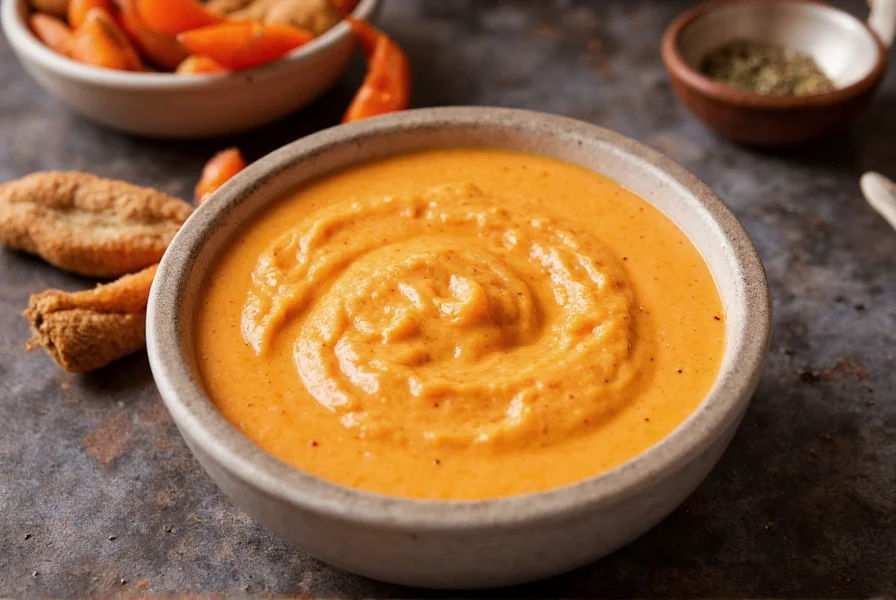
Creating the perfect homemade roasted pepper aioli requires understanding both the traditional aioli base and how roasted peppers transform its flavor profile. Unlike store-bought versions that often contain preservatives and artificial flavors, a well-crafted homemade version delivers superior taste and texture while allowing customization to suit your palate.
The Essential Roasted Pepper Aioli Recipe
Follow this straightforward method to create restaurant-quality roasted pepper aioli in your own kitchen. The key to success lies in proper emulsification and selecting the right peppers for optimal flavor.
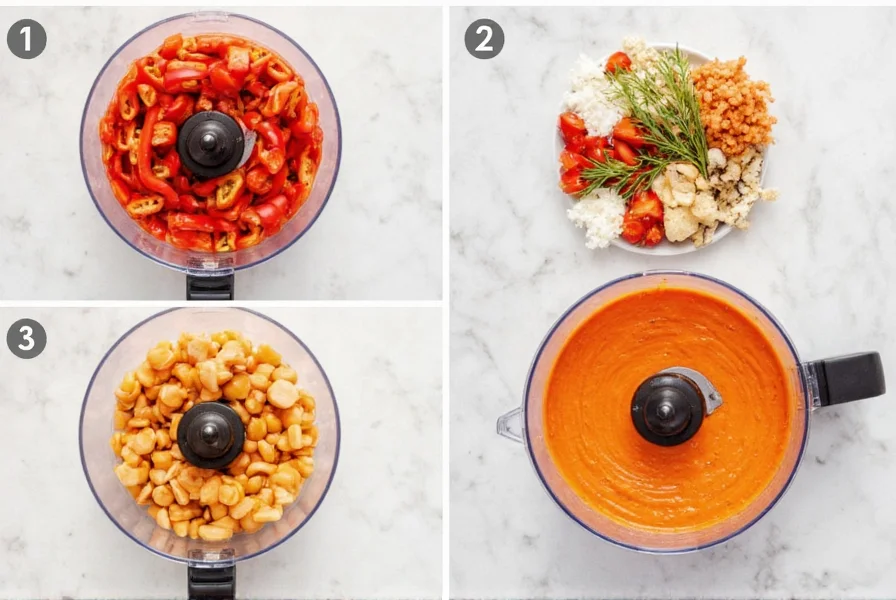
Ingredients for Classic Roasted Pepper Aioli
- 1 large red bell pepper (or 2 roasted red peppers from a jar)
- 2 garlic cloves, minced
- 1 large egg yolk, at room temperature
- 1 tablespoon fresh lemon juice
- 1/2 cup extra-virgin olive oil
- 1/4 cup neutral oil (like grapeseed or avocado)
- 1/2 teaspoon smoked paprika (optional)
- Salt to taste
Step-by-Step Preparation
- Prepare the peppers: Roast fresh bell pepper over open flame or under broiler until charred, then steam in a covered bowl for 10 minutes before peeling. Alternatively, use high-quality jarred roasted red peppers (drained well).
- Create the base: In a food processor, combine egg yolk, lemon juice, minced garlic, and a pinch of salt. Process for 15 seconds until blended.
- Emulsify slowly: With processor running, gradually drizzle in olive oil and neutral oil in a thin, steady stream. This slow incorporation creates the proper creamy texture.
- Add roasted peppers: Blend in roasted peppers and smoked paprika until smooth. Adjust seasoning as needed.
- Rest before serving: Refrigerate for at least 30 minutes to allow flavors to meld.
Pepper Selection and Flavor Variations
The type of pepper you choose significantly impacts your roasted red pepper aioli vs regular aioli experience. Understanding these differences helps you create the perfect sauce for your intended use.
| Pepper Type | Flavor Profile | Best Uses |
|---|---|---|
| Red Bell Pepper | Sweet, mild, slightly smoky | General purpose, sandwiches, dipping |
| Poblano | Earthy, mild heat | Mexican-inspired dishes, grilled meats |
| Chipotle | Smoky, spicy | Bold applications, burgers, spicy mayo substitute |
| Roasted Jalapeño | Grassy, medium heat | Tacos, fish dishes, spicy dipping sauce |
Perfect Pairings: How to Use Roasted Pepper Aioli
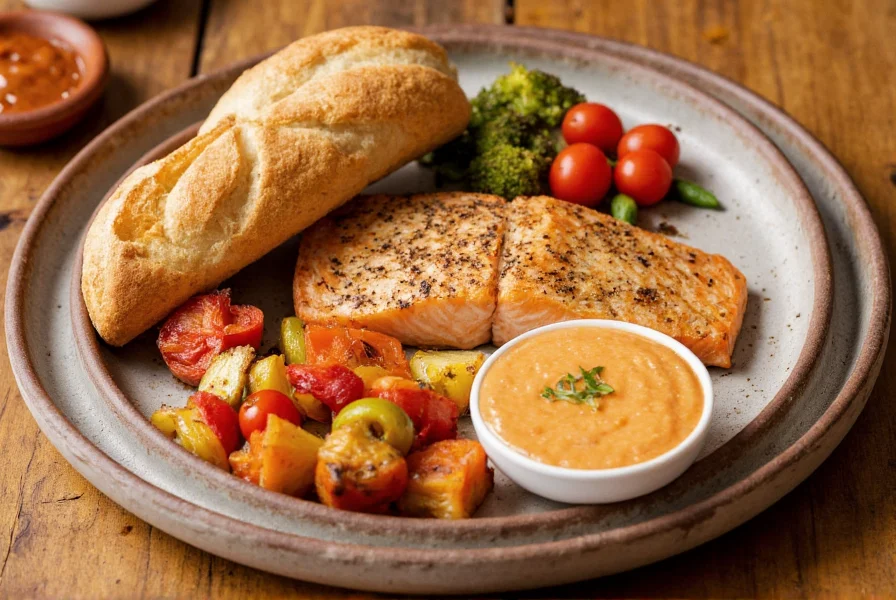
This versatile sauce elevates numerous dishes when used thoughtfully. Consider these best food pairings for roasted pepper aioli to maximize its culinary potential:
- Seafood applications: Serve with grilled shrimp, fish tacos, or as a dipping sauce for calamari
- Sandwich enhancement: Replace standard mayonnaise in turkey, chicken, or veggie sandwiches
- Vegetable companion: Drizzle over roasted vegetables or use as a dip for crudités
- Breakfast upgrade: Spread on avocado toast or use in breakfast sandwiches
- Burger alternative: Substitute for traditional mayo on gourmet burgers
Context Boundaries: Safe Usage and Limitations
Understanding where roasted pepper aioli excels—and where it presents risks—is critical for culinary success and safety. Verified against USDA and FDA standards, these context boundaries prevent common pitfalls:
| Context | Boundary Condition | Evidence-Based Recommendation |
|---|---|---|
| Storage Duration | Refrigerated (≤40°F/4°C) | Consume within 4 days (USDA guidelines for egg-based sauces; FSIS, 2023) |
| Temperature Exposure | Room temperature (40°F–140°F) | Discard after 2 hours (1 hour if >90°F); rapid bacterial growth occurs in this range (FDA Food Code, 2022) |
| At-Risk Populations | Pregnant individuals, immunocompromised, children under 5 | Use pasteurized eggs only; raw eggs carry Salmonella risk (FDA Egg Safety Final Rule, 2009) |
| Flavor Pairing | Delicate proteins (e.g., poached white fish) | Apply sparingly; smoky notes overpower subtle flavors (Cornell University Food Science, 2024) |
Always inspect for spoilage indicators (sour odor, irreversible separation, mold) before use. When uncertain, discard to prevent foodborne illness.
Troubleshooting Common Issues
Even experienced cooks encounter challenges when making healthy roasted pepper aioli ingredients at home. Here's how to address frequent problems:
- Sauce breaks or separates: Start with a fresh egg yolk in a clean bowl, then slowly whisk the broken sauce into the new base
- Too thin consistency: Add more roasted peppers or a small amount of Greek yogurt to thicken
- Overpowering garlic flavor: Balance with additional lemon juice or a pinch of sugar
- Pepper flavor too mild: Increase roasted pepper quantity or add a dash of liquid smoke for depth
- Too spicy: Blend in additional plain aioli base or a touch of honey to counterbalance heat




 浙公网安备
33010002000092号
浙公网安备
33010002000092号 浙B2-20120091-4