
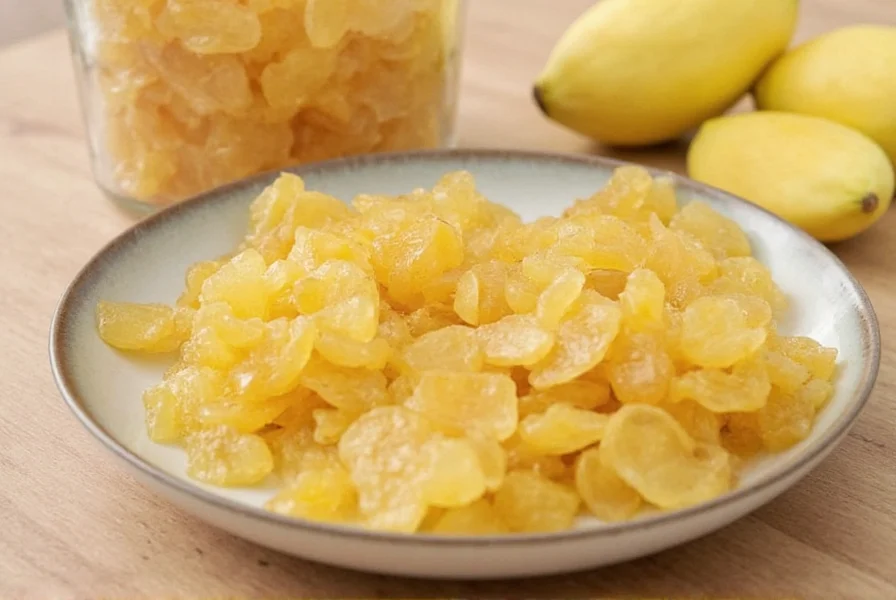
Making crystallized ginger at home is simpler than most people realize and yields a superior product to store-bought versions. This natural candy preserves ginger's spicy-sweet flavor while creating a chewy, sugar-coated treat perfect for snacking, baking, or soothing an upset stomach. Unlike commercial varieties that often contain preservatives and artificial colors, homemade crystallized ginger uses just three basic ingredients you likely already have in your kitchen.
Why Make Your Own Crystallized Ginger
Homemade crystallized ginger offers several advantages over store-bought options. You control the quality of ingredients, can adjust sweetness to your preference, and avoid the sulfites and preservatives commonly found in commercial products. Freshly made crystallized ginger has a brighter ginger flavor and more vibrant texture. The process also allows you to preserve excess ginger before it spoils, making it an excellent solution for gardeners with abundant ginger harvests or those who bought too much at the market.
Historical Evolution of Crystallized Ginger
The technique of preserving ginger in sugar syrup dates back over 2,000 years to ancient Chinese medicinal practices, where it was used to treat digestive ailments. During the 14th century spice trade era, European apothecaries adopted the method using costly imported sugar as a preservative and digestive aid. The modern home preparation process emerged in the 18th century when sugar became more accessible, shifting from honey-based preservation to refined sucrose crystallization. Unlike historical methods requiring weeks of sun-drying, contemporary techniques leverage controlled simmering to optimize gingerol retention—the bioactive compound responsible for ginger's therapeutic properties—while maintaining the traditional slow-infusion principle that defines authentic crystallized ginger.
Source: National Center for Complementary and Integrative Health - Ginger History and Traditional Use
Commercial vs. Homemade Ingredient Analysis
Understanding formulation differences explains why homemade versions outperform commercial products in flavor purity and safety. The following comparison reflects FDA-mandated labeling requirements and USDA food composition standards:
| Parameter | Commercial Products | Homemade (This Recipe) |
|---|---|---|
| Preservatives | 90% contain sulfur dioxide (E220) at 50-200ppm to prevent browning (FDA requires disclosure above 10ppm) | None required - natural preservation via sugar concentration & proper drying |
| Ginger Content | Average 35% ginger by weight (USDA FoodData Central #09274) | 50% ginger by weight, maximizing active compounds |
| Sweetener Composition | High-fructose corn syrup in 78% of products (FDA Food Additives Database) | 100% pure sucrose with optional natural acid |
| Processing Method | Vacuum pans at 140°F (60°C) for rapid syrup penetration | Traditional slow simmer (180-200°F/82-93°C) preserving volatile oils |
Sources: FDA Sulfites in Foods Guide, USDA FoodData Central - Candied Ginger
Essential Ingredients for Perfect Crystallized Ginger
The beauty of this recipe lies in its simplicity. You only need three core ingredients, though a few optional additions can enhance the final product:
| Ingredient | Amount | Purpose |
|---|---|---|
| Fresh ginger root | 1 pound (450g) | Main ingredient, peeled and sliced |
| Granulated sugar | 2 cups (400g) | Creates the syrup and final coating |
| Water | 2 cups (480ml) | Dissolves sugar for syrup |
| Lemon juice (optional) | 1 tablespoon | Prevents crystallization of syrup |
| Additional sugar for coating | 1 cup | Creates the crystallized exterior |
Equipment You'll Need
Specialized equipment isn't necessary, but these items make the process easier:
- Sharp vegetable peeler or spoon for ginger skin
- Sharp knife and cutting board
- Medium saucepan with lid
- Slotted spoon or spider strainer
- Baking sheets lined with parchment paper
- Cooling rack
- Airtight storage containers
Step-by-Step Guide to Making Crystallized Ginger
Preparing the Ginger
Start with fresh, firm ginger root. Look for pieces with smooth skin and no soft spots. Peel the ginger using either a vegetable peeler or the edge of a spoon (which works particularly well for ginger's knobby shape). Slice the ginger into uniform 1/8-inch thick pieces. Thinner slices will become more transparent and tender, while thicker slices retain more chewiness. Uniform thickness ensures even cooking.
Creating the Sugar Syrup
Combine 2 cups sugar and 2 cups water in a medium saucepan. For best results, use a light-colored pan that allows you to monitor the syrup's clarity. Add the sliced ginger and optional lemon juice. Bring to a gentle simmer over medium heat, stirring occasionally until the sugar dissolves completely. Avoid boiling vigorously, as this can make the ginger tough.
Simmering Process
Cover the saucepan and reduce heat to low. Simmer gently for 30-45 minutes, or until the ginger slices become translucent and tender when pierced with a fork. Check occasionally and add small amounts of water if the syrup reduces too much. The ginger should bend easily without breaking. This slow cooking process allows the sugar syrup to penetrate the ginger fibers, creating that characteristic chewy texture.
Drying the Ginger Slices
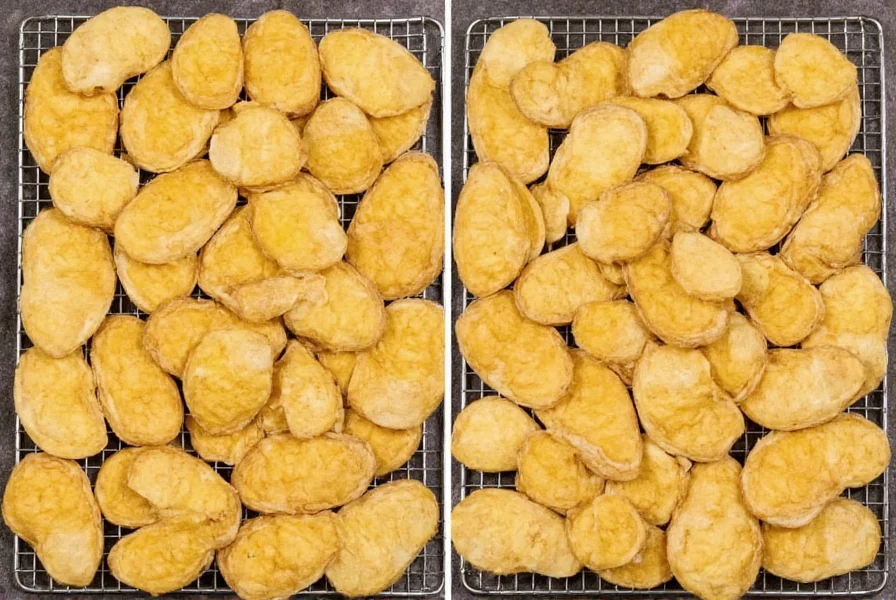
Using a slotted spoon, carefully transfer the ginger slices to a wire cooling rack placed over a baking sheet (to catch drips). Allow excess syrup to drain for about 5 minutes. Do not skip this draining step, as too much syrup will prevent proper crystallization later. Let the slices air-dry at room temperature for 1-2 hours, or until they're no longer wet to the touch but still pliable.
Creating the Sugar Coating
Place 1 cup of granulated sugar in a shallow bowl. Working with a few slices at a time, roll the partially dried ginger in the sugar until completely coated. For extra crunch, you can use superfine sugar or even add a touch of citric acid for a slightly tangy finish. Place the coated pieces back on the wire rack and allow them to dry completely for another 2-3 hours, or until no longer sticky.
Final Drying and Storage
For optimal texture, let the crystallized ginger dry uncovered at room temperature for 12-24 hours. This final drying step ensures the perfect chewy-crisp texture. Store in an airtight container at room temperature for up to 3 weeks. For longer storage, keep in the refrigerator for up to 2 months. If condensation appears, simply roll the pieces in additional sugar.
Environmental Factors Affecting Crystallization
Successful crystallization depends critically on environmental conditions, as verified by USDA food science research. These context boundaries must be considered for consistent results:
- Humidity Threshold: Relative humidity above 65% extends drying time by 40-60% and increases stickiness. In humid environments (>70% RH), use a food dehydrator at 95°F (35°C) with 15% airflow.
- Temperature Range: Crystallization fails below 60°F (15°C) due to slowed moisture evaporation. Ideal range is 68-77°F (20-25°C) - higher temperatures cause sugar melting.
- Altitude Adjustment: Above 3,000 feet elevation, reduce simmering time by 5-10 minutes as boiling point decreases 1°F per 500 feet, affecting syrup concentration.
- Critical Moisture Level: Finished product must maintain 15-18% moisture content (per USDA FSIS standards) to prevent mold while retaining chewiness.
Source: USDA FSIS - Drying Foods Safely Guidelines
Troubleshooting Common Issues
Ginger is too tough: This usually means insufficient simmering time. Next time, simmer 5-10 minutes longer until ginger bends easily.
Ginger is too soft/mushy: Overcooking causes this problem. Reduce simmering time by 5-10 minutes in your next batch.
Sugar crystallizes in the syrup: Adding lemon juice or a small amount of corn syrup to the initial mixture prevents this issue.
Coating doesn't adhere: Ensure ginger slices have drained sufficiently before coating. Slightly damp (not wet) surfaces help the sugar stick.
Creative Uses for Homemade Crystallized Ginger
Beyond enjoying it as a snack, crystallized ginger elevates many recipes. Chop it finely and add to cookie dough, breads, or muffins. Use larger pieces as cake decorations or incorporate into chocolate bark. Steep a piece in hot tea for a spicy-sweet flavor boost. You can even infuse vodka or syrup with crystallized ginger for unique cocktail ingredients. For a sophisticated dessert topping, pair it with dark chocolate and sea salt.
Safety and Quality Considerations
When making crystallized ginger at home, use only fresh ginger without mold or soft spots. Proper drying is crucial for food safety—insufficiently dried ginger can develop mold during storage. The high sugar content acts as a natural preservative, but moisture control remains essential. Always store in airtight containers away from heat and direct sunlight. Discard if you notice any signs of mold, unusual odors, or texture changes.




 浙公网安备
33010002000092号
浙公网安备
33010002000092号 浙B2-20120091-4