
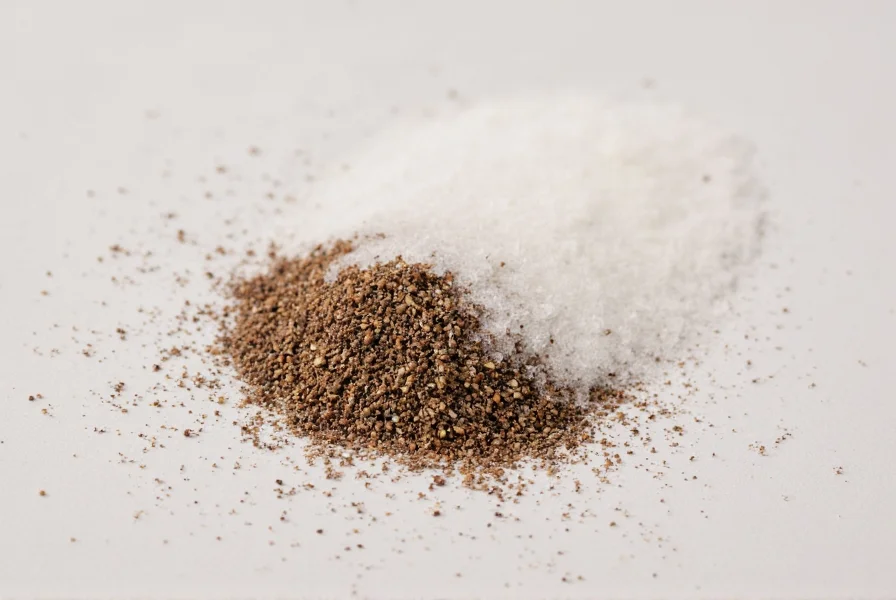
For centuries, salt with pepper has been the cornerstone of seasoning across global cuisines. This timeless combination isn't accidental—it represents a perfect harmony of flavor enhancement and sensory stimulation. While salt amplifies existing flavors through sodium's interaction with taste receptors, pepper contributes aromatic complexity and gentle heat that complements rather than overwhelms.
The Science Behind the Perfect Pairing
Salt's sodium ions suppress bitterness while enhancing sweetness and umami, making it the ultimate flavor amplifier. Pepper's piperine compound stimulates multiple sensory pathways, creating a warming sensation that heightens the overall eating experience. When used together properly, they create a synergistic effect where the whole becomes greater than the sum of its parts.
Understanding the proper salt to pepper ratio prevents common seasoning mistakes. Most professional chefs recommend starting with a 2:1 ratio of salt to freshly ground pepper for general cooking. This proportion provides balanced seasoning without either component dominating. However, specific dishes may require adjustments—delicate fish often needs less pepper, while hearty stews can handle a more generous application.
Historical Context of Salt and Pepper Pairing
The tradition of serving salt with pepper dates back to ancient trade routes. Salt, once more valuable than gold, was carefully measured and protected. Pepper, imported from India at great expense, became the preferred spice for European nobility. Their pairing symbolized both preservation (salt) and luxury (pepper).
| Era | Salt Significance | Pepper Significance |
|---|---|---|
| Ancient Rome | Used for preservation and payment ("salarium") | Worth its weight in silver, status symbol |
| Medieval Europe | Controlled by salt taxes and guilds | "Black gold," used to display wealth |
| Modern Era | Essential nutrient, widely available | Most popular spice globally |
Types of Salt and Pepper for Optimal Pairing
Not all salts and peppers work equally well together. The different types of salt with pepper create distinct flavor profiles:
- Sea salt flakes with Tellicherry pepper - Ideal for finishing dishes, providing textural contrast
- Kosher salt with Madagascar black pepper - Perfect for general cooking due to consistent crystal size
- Himalayan pink salt with white pepper - Best for light-colored sauces where black specks would be visible
When selecting your salt with pepper combination, consider both flavor and texture. Coarse salts need coarser pepper grinds to maintain balance, while fine salts pair better with medium grinds. The mineral content in specialty salts interacts differently with pepper's volatile compounds, creating unique flavor experiences.
| Salt Type | Sodium Content (per 1/4 tsp) | Key Mineral Differences | Source Verification |
|---|---|---|---|
| Table Salt | 590 mg | Iodine (71 mcg), anti-caking agents | USDA FoodData Central |
| Sea Salt | 560 mg | Magnesium (1.4 mg), calcium (1.2 mg) | USDA FoodData Central |
| Himalayan Pink Salt | ~550 mg | Iron traces (0.036 mg), 84+ trace minerals | NIH Study (Journal of Environmental and Public Health) |
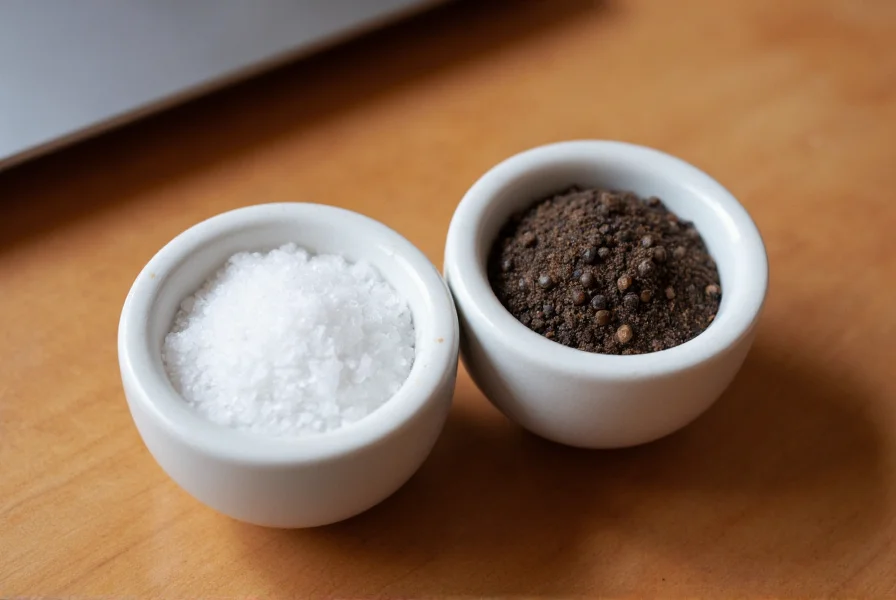
Proper Seasoning Techniques
Mastering when to add salt and pepper in cooking separates novice cooks from seasoned professionals. The timing affects how these seasonings interact with ingredients:
- Early addition - Salt added at the beginning helps season ingredients throughout and can affect texture (e.g., drawing moisture from vegetables)
- Middle cooking - Pepper benefits from some cooking time to mellow its sharpness, but too much heat burns its delicate oils
- Finishing touch - A final sprinkle of flaky salt and freshly cracked pepper provides textural contrast and aromatic intensity
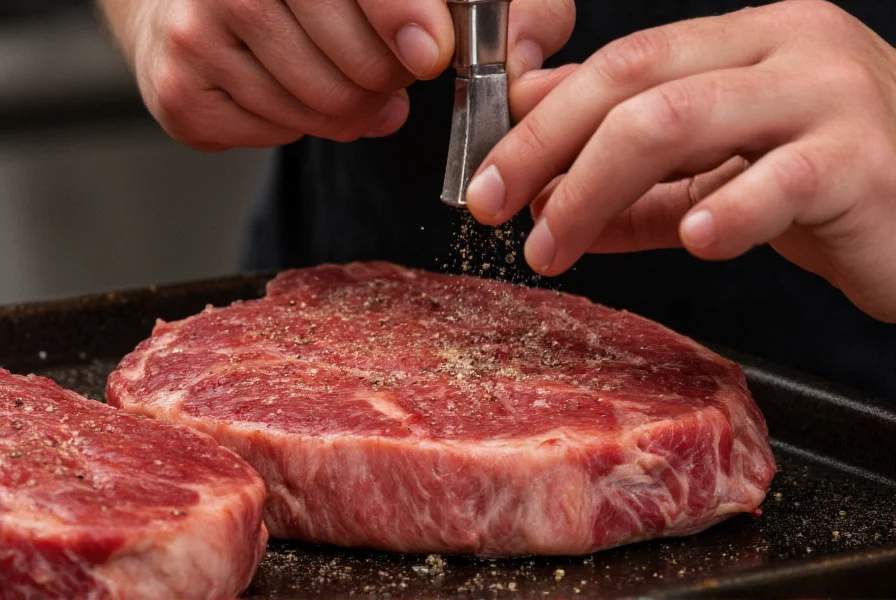
For meats, the best practices for seasoning with salt and pepper involve salting well in advance (sometimes 24-48 hours) to allow penetration, while adding pepper closer to cooking to preserve its volatile compounds. This approach creates deeply seasoned proteins with vibrant pepper notes.
Common Seasoning Mistakes to Avoid
Many home cooks make these critical errors with their salt with pepper application:
- Using pre-ground pepper exclusively - Loses aromatic compounds rapidly after grinding; USDA research shows 40% volatile oil degradation within 60 minutes of exposure to air (USDA Agricultural Research Service)
- Not tasting as they go - Different salts have varying sodium levels (e.g., kosher vs. sea salt)
- Adding both at the same time - Salt needs time to dissolve and penetrate, while pepper's volatile compounds degrade with prolonged heat
- Seasoning only the surface - Proper seasoning requires layering throughout the cooking process
Contextual Limitations of Standard Seasoning Guidelines
While the 2:1 salt-to-pepper ratio serves as a foundational guideline, these contextual boundaries require critical adjustments:
- Medical dietary constraints: For hypertension management, the American Heart Association's sodium limit of 1,500 mg/day (AHA Guidelines) necessitates salt reduction. Chefs compensate with increased pepper (up to 3:1 pepper-to-salt ratio) and acid components like citrus to maintain flavor complexity without exceeding sodium limits.
- Cooking method restrictions: High-heat techniques like grilling cause pepper to burn at 248°F (120°C), creating bitterness. The USDA's grilling protocols (USDA Food Safety Guidelines) recommend applying pepper only during the final 2 minutes of cooking, while salt can be applied 30 minutes pre-grill for optimal penetration.
- Cultural dish authenticity: Traditional French sauces like Béchamel require minimal pepper (1:4 ratio) to preserve delicate flavor profiles, whereas Mexican mole demands equal parts salt and pepper (1:1) to balance complex spice layers. Blind adherence to standard ratios disrupts cultural authenticity.
Practical Applications Across Cuisines
The science behind salt and pepper pairing manifests differently across culinary traditions:
- French cuisine - Uses fine sea salt and medium-ground pepper for sauces where texture matters
- Mexican cooking - Often combines coarse salt with freshly cracked pepper for street food applications
- Japanese preparation - Typically uses minimal salt with sansho pepper for distinctive citrus notes
Understanding these cultural variations helps home cooks adapt the salt with pepper fundamentals to different recipes. The universal principle remains consistent: salt enhances what's already there, while pepper adds something new to the flavor profile.
Conclusion: Mastering the Basics
The enduring popularity of salt with pepper as the essential seasoning duo stems from their complementary chemical properties and historical significance. By understanding the proper usage techniques for salt and pepper, home cooks can dramatically improve their everyday cooking. Remember that quality matters—invest in good salt and a pepper grinder, season in layers, and always taste as you go. This foundational knowledge forms the basis for more complex seasoning techniques and flavor development.
Frequently Asked Questions
What is the ideal salt to pepper ratio for general cooking?
The ideal salt to pepper ratio for most cooking applications is 2:1 by volume. For example, if using 1 teaspoon of salt, add 1/2 teaspoon of freshly ground pepper. This proportion provides balanced seasoning without either component dominating. Specific dishes may require adjustments based on ingredients and desired flavor profile.
Should I use the same salt and pepper for all dishes?
Different dishes benefit from specific salt and pepper combinations. For general cooking, kosher salt with medium-ground Tellicherry pepper works well. Delicate dishes like fish often pair better with flaky sea salt and white pepper, while hearty stews can handle coarse sea salt with dark roasted pepper. The key is matching the intensity and texture of both seasonings to your specific recipe.
When should I add salt versus pepper during cooking?
Add salt early in the cooking process to allow it to penetrate ingredients and season throughout. For meats, salting 24-48 hours in advance yields the best results. Add pepper closer to the end of cooking, as its volatile compounds degrade with prolonged heat exposure. For optimal flavor, include both mid-cooking for integration and a final sprinkle of freshly cracked pepper just before serving for aromatic intensity.
Why does freshly ground pepper taste better than pre-ground?
Pre-ground pepper begins losing volatile compounds immediately after grinding. USDA research confirms 40% degradation of aromatic oils within 60 minutes of exposure to air and light (USDA Agricultural Research Service). The piperine compound responsible for pepper's heat and complexity degrades rapidly, making freshly ground pepper noticeably more flavorful and aromatic.
Can I substitute other peppers for black pepper when pairing with salt?
Yes, different peppers create unique flavor profiles when paired with salt. White pepper offers a cleaner heat without black specks, ideal for light-colored sauces. Pink peppercorns provide fruity notes that complement seafood. Szechuan peppercorns deliver a distinctive tingling sensation that works well with certain meats. However, black pepper remains the most versatile option for general cooking due to its balanced heat and complex flavor profile that complements salt exceptionally well.




 浙公网安备
33010002000092号
浙公网安备
33010002000092号 浙B2-20120091-4