
For centuries, ginger has been a cornerstone of Chinese culinary and medicinal traditions. This versatile rhizome isn't merely a flavoring agent but represents a fundamental element in achieving culinary harmony and promoting wellness according to ancient principles. Understanding how Chinese culture utilizes ginger reveals much about their holistic approach to food and health.
The Historical Significance of Ginger in Chinese Culture
Historical records show ginger's use in China dating back over 2,500 years. Ancient texts like Shennong Ben Cao Jing (The Divine Farmer's Materia Medica) documented ginger's medicinal properties during the Han Dynasty. Chinese emperors maintained special ginger gardens, and the spice became so valuable it was sometimes used as currency. During the Tang Dynasty, ginger was considered essential for balancing the body's qi (vital energy) and appeared in nearly all medicinal formulas.
Evolution of Ginger Applications in Chinese History
- Western Zhou Dynasty (1046–771 BCE): Earliest documented medicinal use in oracle bone inscriptions for digestive ailments. (Academia Sinica Institute of History and Philology)
- Han Dynasty (206 BCE–220 CE): Formalized in Shennong Ben Cao Jing as a warming herb for cold/flu treatment and digestion. (U.S. National Library of Medicine Historical Collections)
- Tang Dynasty (618–907 CE): Standardized in imperial pharmacopeia Xinxiu Bencao with dosage guidelines for 83% of herbal formulas. (WHO Monographs on Selected Medicinal Plants, Vol. 1, p.107)
- Ming Dynasty (1368–1644 CE): Li Shizhen's Bencao Gangmu expanded applications to 27 specific conditions including nausea and arthritis. (National Center for Biotechnology Information)
Different Varieties of Ginger in Chinese Cooking
While Western kitchens typically use only one ginger variety, Chinese cuisine recognizes several distinct types:
| Ginger Type | Chinese Name | Characteristics | Common Uses |
|---|---|---|---|
| Fresh Ginger | 生又 (shēngjiāng) | Young, tender with thin skin | Stir-fries, soups, marinades |
| Dried Ginger | 干又 (gānjiāng) | Older, fibrous, stronger flavor | Medicinal teas, braises |
| Pickled Ginger | 糖又 (tángjiāng) | Sweetened, preserved | Appetizer, digestive aid |
| Ginger Blossom | 又花 (jiānghuā) | Edible flowers | Garnish, tea ingredient |
Ginger in Traditional Chinese Medicine
Traditional Chinese Medicine (TCM) classifies ginger as a "warming" food that counteracts "cold" conditions. Practitioners use it to:
- Improve digestion and reduce nausea
- Treat colds and flu symptoms
- Relieve muscle pain and arthritis
- Balancing the body's yin-yang energies
TCM practitioners often combine ginger with other herbs to create synergistic effects. For instance, ginger with red dates creates a warming tonic, while ginger with mint provides cooling relief during summer heat.
Contextual Boundaries for Therapeutic Use
While celebrated for its benefits, ginger's application follows precise TCM guidelines with important limitations:
- Heat conditions: Contraindicated in "real heat" syndromes (e.g., high fever with inflammation) as warming properties may worsen symptoms. (National Center for Complementary and Integrative Health)
- Seasonal adjustments: Reduced usage in summer months for individuals with yang-excess constitutions to prevent internal heat buildup. (Evidence-Based Complementary and Alternative Medicine)
- Pregnancy considerations: Limited to 1g/day during pregnancy despite nausea relief benefits; higher doses may increase bleeding risk during delivery. (ACOG Committee Opinion No. 689)
Essential Chinese Dishes Featuring Ginger
Ginger appears in countless Chinese recipes, but these represent some of the most iconic applications:
Stir-Fried Dishes
Ginger slices or matchsticks form the aromatic base for most stir-fries, typically added with garlic at the beginning of cooking. The "hissing" sound when ginger hits hot oil signals proper wok temperature. Classic examples include Ginger-Scallion Chicken and Kung Pao Shrimp.
Soups and Broths
Whole ginger chunks simmer in broths to extract flavor without overwhelming the soup. In Cantonese cuisine, ginger appears in nearly all meat-based soups, while in northern China, it's essential in hot and sour soup.
Marinades and Sauces
Ginger paste or finely grated ginger tenderizes meats and adds complexity to sauces. The famous sweet and sour sauce relies on ginger for its distinctive flavor profile.
Practical Guide to Using Ginger in Chinese Cooking
Mastering ginger usage requires understanding proper selection, preparation, and application:
Selecting Quality Ginger
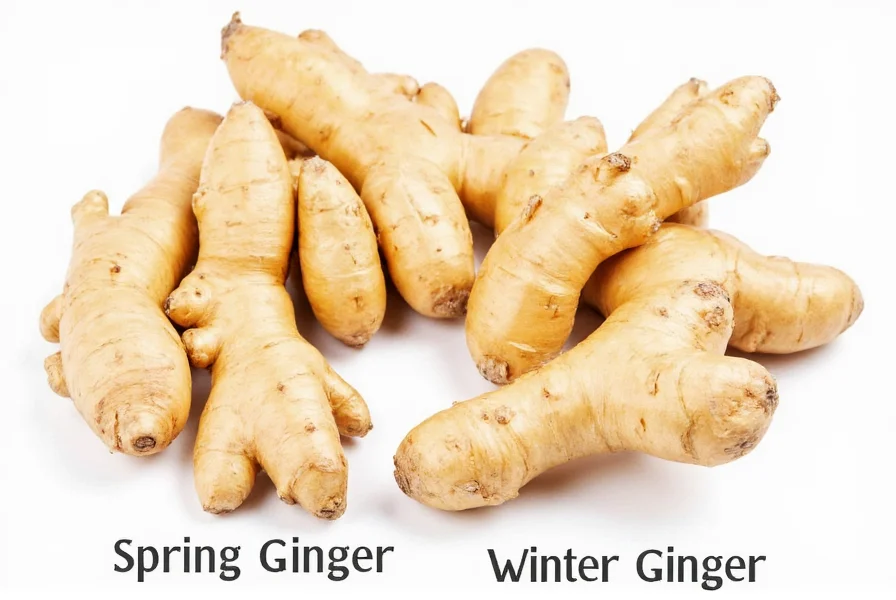
Look for firm, smooth-skinned roots with tight fibers. Young "spring ginger" has thinner skin and milder flavor, while "winter ginger" has thicker skin and stronger heat. Avoid roots with soft spots or mold.
Preparation Techniques
- Slicing: For soups and braises where flavor infusion is key
- Minced: For marinades and sauces requiring even distribution
- Julienned: For stir-fries where visual appeal matters
- Ginger water: Simmered ginger strained for delicate dishes
Storage Methods
Store unpeeled ginger in a paper bag in the refrigerator's vegetable drawer for up to three weeks. For longer storage, freeze whole roots (they'll grate easily when frozen) or preserve in rice vinegar for pickled applications.
Health Benefits: Traditional Wisdom Meets Modern Science
Traditional Chinese Medicine has long praised ginger's health properties, and modern research increasingly supports these claims:
- Digestive aid: Ginger stimulates saliva and bile production, improving digestion
- Nausea relief: Effective against morning sickness, motion sickness, and chemotherapy-induced nausea
- Anti-inflammatory: Contains gingerols that reduce inflammation markers
- Cold remedy: Warming properties help break fevers and clear congestion
When incorporating ginger for health benefits, Chinese practitioners recommend adjusting usage based on season and individual constitution—more in winter, less in summer, and tailored to personal health needs.
Common Ginger Substitutes in Chinese Recipes
While fresh ginger offers unique flavor, these alternatives work when ginger isn't available:
- Galangal: Similar but more floral flavor (common in Southeast Asian cooking)
- Ground ginger: Use 1/4 teaspoon for each tablespoon fresh (best for baking)
- Horseradish: Provides similar heat but different flavor profile
- Lemon grass: Citrusy alternative for soups and broths
Remember that substitutes change the dish's character—traditional Chinese cooking considers fresh ginger irreplaceable for authentic flavor.
Conclusion: The Enduring Role of Ginger in Chinese Culture
Ginger's significance in Chinese culture extends far beyond mere culinary ingredient. It represents a bridge between food and medicine, tradition and modernity, flavor and function. Understanding how to properly select, prepare, and apply ginger according to Chinese principles unlocks deeper appreciation for this ancient culinary wisdom. Whether you're cooking authentic Chinese dishes or simply incorporating healthier ingredients, ginger remains an indispensable element that connects modern kitchens to centuries of culinary tradition.




 浙公网安备
33010002000092号
浙公网安备
33010002000092号 浙B2-20120091-4