
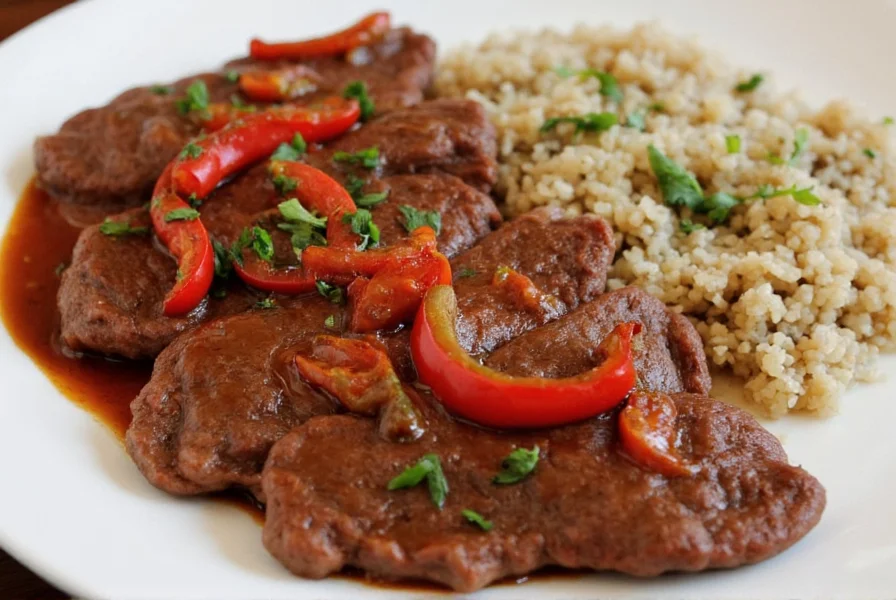
To make beef pepper steak, slice flank steak against the grain, marinate in soy sauce and cornstarch, then stir-fry with bell peppers and onions in high heat. Combine with a savory sauce of beef broth, oyster sauce, and garlic for a restaurant-quality dish ready in 30 minutes. The key to perfect beef pepper steak lies in proper meat preparation, high-heat cooking, and balanced sauce proportions.
Beef pepper steak delivers that classic Chinese-American restaurant experience in your own kitchen. This beloved stir-fry combines tender beef strips with crisp bell peppers in a rich, savory sauce that clings perfectly to every ingredient. What separates an average pepper steak from an exceptional one comes down to three critical elements: meat preparation technique, proper stir-fry temperature control, and sauce consistency. When executed correctly, you'll achieve that signature 'wok hei' or breath of the wok flavor that defines authentic stir-fry dishes.
The Evolution of Beef Pepper Steak in American Cuisine
Beef pepper steak emerged through cultural adaptation in Chinese-American communities, evolving significantly from its culinary roots. Historical records show distinct development phases:
- 1850s-1880s: Chinese laborers introduced stir-frying techniques during railroad construction, but beef was scarce due to cultural preferences and availability
- Early 1900s: Restaurants began incorporating American ingredients like bell peppers (uncommon in China) to appeal to local tastes, creating hybrid dishes
- 1960s-1970s: Standardized recipes featuring flank steak and cornstarch velveting became mainstream with the rise of Chinese-American takeout culture
This progression reflects broader patterns of immigrant culinary adaptation documented by food historians at the Smithsonian National Museum of American History.
Source: Sweet & Sour: A Look at the History of Chinese Food in America
Essential Ingredients for Perfect Beef Pepper Steak
Quality ingredients form the foundation of an outstanding beef pepper steak. Selecting the right components ensures optimal flavor and texture in your final dish.
| Ingredient | Amount | Key Purpose |
|---|---|---|
| Flank steak or sirloin | 1 ½ lbs | Lean cut that becomes tender when sliced properly against the grain |
| Red, green, and yellow bell peppers | 3 medium | Provides color contrast and sweet crunch when stir-fried briefly |
| Yellow onion | 1 large | Adds aromatic sweetness and texture |
| Soy sauce (low sodium) | 3 tbsp | Base for savory umami flavor without excessive saltiness |
| Oyster sauce | 2 tbsp | Creates rich, complex sauce with natural sweetness |
| Cornstarch | 2 tbsp | Thickens sauce and tenderizes meat through velveting process |
| Ginger (fresh) | 1 tbsp minced | Adds bright, aromatic warmth essential to Asian cuisine |
| Garlic | 3 cloves minced | Provides foundational savory depth |
USDA-Backed Beef Cut Comparison for Stir-Frying
Not all beef cuts perform equally in high-heat applications. Based on USDA meat science research, here's how common options compare for pepper steak:
| Beef Cut | Tenderness Profile | Fat Content (per 3oz) | Recommended Cooking Method | Pepper Steak Suitability |
|---|---|---|---|---|
| Flank Steak | Moderate (significantly improved by slicing against the grain) | 7g | High-heat stir-fry, quick grilling | ★★★★★ (Ideal for quick cooking; absorbs marinades well) |
| Sirloin (Top Sirloin) | Good | 8g | Stir-fry, pan-searing | ★★★★☆ (Slightly less tender than flank but more forgiving) |
| Ribeye | Excellent (naturally tender) | 12g | Grilling, pan-searing (not ideal for stir-fry) | ★★★☆☆ (Fat can cause flare-ups; may become tough if overcooked) |
Source: USDA Food Safety and Inspection Service, Beef from Farm to Table
Equipment You'll Need
While you can make beef pepper steak in a standard skillet, having the right equipment makes a significant difference in achieving authentic results:
- Carbon steel wok or heavy-bottomed cast iron skillet (essential for proper heat retention)
- Sharp chef's knife for precise meat slicing
- Mandoline slicer (optional but helpful for uniform pepper slices)
- Wooden or metal stir-fry spatula
- Small bowls for mise en place (ingredient preparation)
Step-by-Step Beef Pepper Steak Preparation
Meat Preparation: The Critical First Step
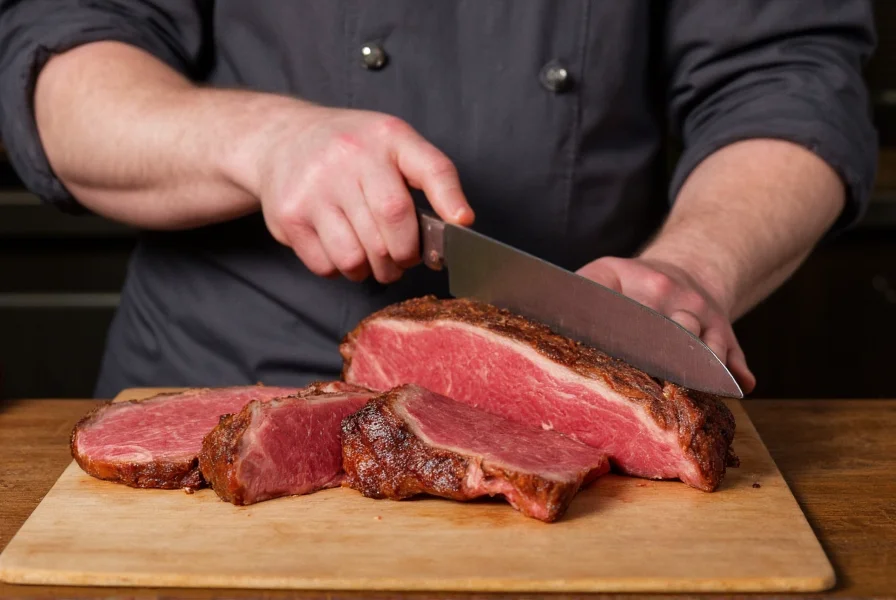
Slice your flank steak against the grain into ¼-inch thick strips. This technique shortens the muscle fibers, creating naturally tender beef that won't become chewy during cooking. Place the sliced beef in a bowl and add 1 tablespoon soy sauce, 1 tablespoon cornstarch, and 1 tablespoon rice wine or dry sherry. Mix gently until the beef is evenly coated, then let it marinate for 15-20 minutes while you prepare the vegetables. This velveting process creates a protective coating that locks in moisture during high-heat cooking.
Vegetable Prep and Sauce Assembly
Cut bell peppers into 2-inch strips and slice the onion into thin half-moons. For the sauce, combine 2 tablespoons soy sauce, 2 tablespoons oyster sauce, 1 cup beef broth, 1 tablespoon cornstarch, 1 tablespoon rice vinegar, and 1 teaspoon sesame oil in a small bowl. Whisk until smooth and set aside. Mince your garlic and ginger—these aromatics should be added late in the cooking process to preserve their delicate flavors.
Mastering the Stir-Fry Technique
Heat your wok or skillet over high heat until smoking hot—this typically takes 3-5 minutes. Add 2 tablespoons vegetable oil and swirl to coat the surface. Add the marinated beef in a single layer without overcrowding (work in batches if necessary). Let the beef sear undisturbed for 1 minute to develop a proper crust, then stir-fry for another 1-2 minutes until just browned but not fully cooked. Remove the beef and set aside.
Immediately add 1 tablespoon oil to the hot wok, then add the bell peppers and onions. Stir-fry for 2-3 minutes until the vegetables are crisp-tender with slight charring at the edges. Return the beef to the wok along with any accumulated juices. Push everything to the sides of the wok, creating a well in the center.
Pour the prepared sauce into the center and cook, stirring constantly, until the sauce thickens and becomes glossy (about 30 seconds). Toss everything together to coat evenly with the sauce. Add minced garlic and ginger during the last 30 seconds of cooking to preserve their fresh flavor. Remove from heat immediately.
Common Mistakes That Ruin Beef Pepper Steak
Avoid these frequent errors that compromise your beef pepper steak results:
- Overcrowding the pan - Adding too much meat at once lowers the temperature, causing steaming instead of searing
- Slicing with the grain - Creates tough, chewy beef regardless of cooking method
- Under-marinating the beef - Less than 15 minutes doesn't allow proper tenderizing
- Adding sauce too early - Causes vegetables to become soggy and lose crispness
- Overcooking the garlic and ginger - Burns these delicate aromatics, creating bitterness
Context Boundaries: Ideal Applications and Limitations
This recipe excels within specific parameters but has important constraints:
- Optimal scenarios:
- Gas stovetops capable of 500°F+ temperatures (critical for authentic 'wok hei')
- Fresh bell peppers (frozen alternatives release excess moisture, compromising texture)
- Single-batch preparation for 4 servings maximum (prevents temperature drop)
- Key limitations:
- Not suitable for induction cooktops without specialized magnetic wok rings (creates uneven heating)
- Avoid doubling ingredients in one batch—this drops pan temperature below 300°F, triggering steaming instead of searing
- Freezing cooked pepper steak degrades vegetable texture; as confirmed by food science research, "freezing cooked vegetables is not recommended because the texture may become soft and water-logged"
Source: University of Minnesota Extension, Freezing Cooked Foods
Serving Suggestions and Variations
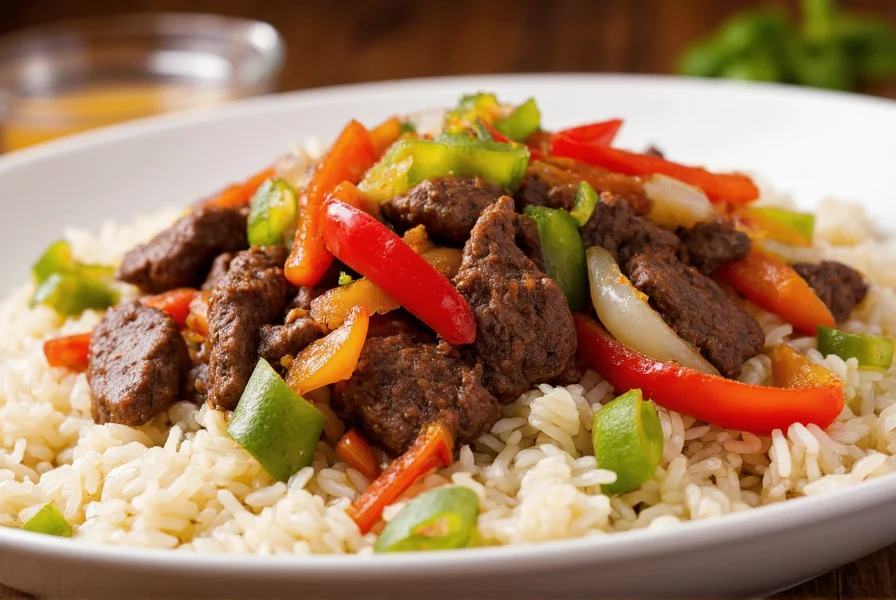
Beef pepper steak traditionally serves 4 and pairs perfectly with steamed jasmine rice. For an authentic presentation, serve in a preheated ceramic dish to maintain temperature. Garnish with sliced green onions and a sprinkle of toasted sesame seeds.
Dietary adaptations:
- Gluten-free version: Substitute tamari for soy sauce and ensure oyster sauce is GF-certified
- Low-sodium option: Use reduced-sodium soy sauce and increase rice vinegar slightly for balance
- Vegetarian alternative: Replace beef with extra-firm tofu or seitan, using same marinating technique
Storage and Reheating Tips
Store leftovers in an airtight container in the refrigerator for up to 3 days. For best results when reheating, use a skillet over medium heat rather than a microwave, which can make the beef tough. Add a splash of beef broth or water to restore moisture. Avoid freezing beef pepper steak as the texture of the vegetables deteriorates significantly upon thawing.




 浙公网安备
33010002000092号
浙公网安备
33010002000092号 浙B2-20120091-4