
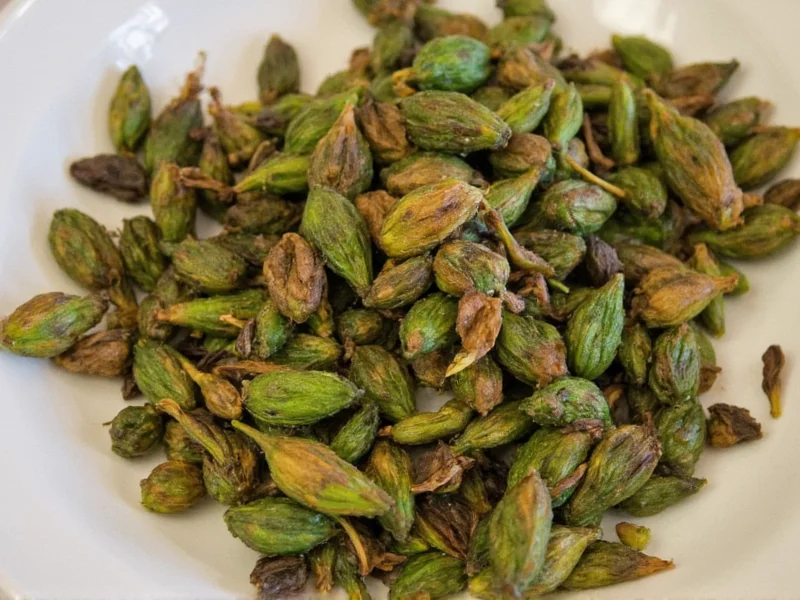
Dried poblanos represent one of Mexico's most versatile culinary ingredients, bridging the gap between fresh peppers and concentrated flavor agents. When poblano peppers mature and lose moisture, they develop deeper, fruitier notes while maintaining their characteristic mild heat level. Understanding how to properly select, prepare, and use these dried chilies can significantly elevate your Mexican and Southwestern cooking.
What Exactly Are Dried Poblanos?
Despite common confusion, dried poblanos have a specific identity in culinary terminology. When fresh poblano peppers undergo the drying process, they transform into what's officially called ancho chilies (from the Spanish word "ancho" meaning wide). This name reflects their broad, heart-shaped form that becomes more pronounced when dried.
Many grocery stores and recipes use the terms "dried poblanos" and "ancho chilies" interchangeably, though technically, once dried, they're no longer poblanos but anchos. This distinction matters when following authentic recipes that specify particular dried chili varieties.
Historical Evolution of Ancho Chilies
The transformation of fresh poblanos into dried anchos has deep roots in Mexican culinary tradition. Archaeological and historical records reveal this evolution:
- Pre-1500s: Indigenous Mesoamerican cultures dried chili peppers for preservation. Evidence from Puebla region sites confirms chili use dating back 6,000 years (Smithsonian National Museum of Natural History).
- 16th Century: Spanish colonizers adopted local drying techniques and named the dried poblano "ancho" due to its flattened shape after dehydration, integrating it into colonial Mexican cuisine.
- 19th Century: Commercial production expanded in Puebla, establishing ancho chilies as staple ingredients exported throughout Mexico and to the United States.
Source: Smithsonian Magazine: The Ancient History of Chili Peppers
Flavor Profile and Heat Level
Dried poblanos deliver a complex flavor profile that fresh poblanos can't match. The drying process concentrates their natural sugars while developing subtle notes of:
- Prune and raisin (from the natural fruit sugars)
- Smoky undertones (especially if sun-dried)
- Earthy, tobacco-like notes
- Subtle berry hints
On the Scoville scale, dried poblanos register between 1,000-2,000 units, placing them firmly in the mild to medium range. For comparison, jalapeños range from 2,500-8,000 SHU, making dried poblanos noticeably milder. This moderate heat level makes them ideal for dishes where chili flavor should enhance rather than dominate.
Proper Rehydration Technique
Rehydrating dried poblanos correctly is crucial for optimal flavor extraction. Follow this professional method:
- Remove stems and seeds (unless recipe specifies otherwise)
- Place chilies in a heatproof bowl
- Cover completely with hot (not boiling) water
- Add 1-2 tablespoons of vinegar or citrus juice to help soften skins
- Cover and steep for 15-20 minutes until pliable
- Drain, reserving liquid for sauces
- Peel off skins if desired (skins can be bitter)
| Rehydration Method | Time Required | Best For |
|---|---|---|
| Hot Water Soak | 15-20 minutes | Sauces, moles, stews |
| Dry Toasting | 2-3 minutes per side | Salsas, quick applications |
| Broiling | 3-5 minutes | Peeling applications |
Culinary Applications
Dried poblanos shine in numerous traditional preparations. When exploring how to use dried poblanos in your cooking, consider these authentic applications:
Moles and sauces: The foundation of many Mexican moles, particularly mole poblano, where rehydrated anchos blend with chocolate, spices, and nuts to create complex sauces. For authentic dried poblanos recipes, traditional preparation involves toasting before rehydration to deepen flavors.
Stews and braises: Add whole or chopped rehydrated peppers to pozole, carne guisada, or other slow-cooked dishes. The peppers infuse the entire dish with their distinctive flavor.
Chili powders: Create homemade ancho chili powder by drying rehydrated peppers completely, then grinding. This offers superior flavor to store-bought versions when making your own dried poblanos powder.
Stuffing: Rehydrated dried poblanos can be stuffed with cheese, meats, or grains, then baked for chiles rellenos—a classic application of dried poblanos in Mexican cuisine.
Storage Recommendations
Proper storage maintains the quality of dried poblanos. Store them in:
- Airtight containers away from light and heat
- With a food-safe desiccant packet to control moisture
- The refrigerator for short-term storage (6-12 months)
- The freezer for long-term storage (up to 2 years)
Check dried poblanos periodically for signs of moisture, mold, or insect activity. Properly stored dried poblanos should maintain their deep reddish-brown color and pliable texture. If they become brittle or develop off odors, they've likely lost their optimal flavor profile.
Substitution Guidance and Contextual Limitations
Substituting dried poblanos requires understanding their unique flavor-heat balance. The following evidence-based comparison uses verified data from New Mexico State University's Chile Pepper Institute. Note that substitutions work best only when matching both heat tolerance and flavor requirements of your specific dish:
| Chili Variety | Scoville Heat Units | Flavor Profile | Best Substitution Ratio | Key Limitation |
|---|---|---|---|---|
| Ancho (Dried Poblano) | 1,000-2,000 | Fruity, sweet, mild with prune/raisin notes | 1:1 (reference) | N/A |
| Guajillo | 2,500-5,000 | Bright, tangy, berry-like | 1:1 but expect higher heat | Lacks sweetness; unsuitable for mole poblano |
| Mulato | 2,500-3,000 | Smoky, chocolatey, sweet | 1:1 | Deeper color alters dish appearance |
| Pasilla | 1,000-2,500 | Earthy, raisin-like, mild | 1:1 | Less robust; fails in long-simmered sauces |
Source: New Mexico State University Chile Pepper Institute
Avoiding Common Mistakes
Many home cooks make these errors when working with dried poblanos:
- Skipping the toasting step: Dry toasting in a skillet before rehydration enhances flavor complexity
- Over-soaking: Extended soaking makes peppers mushy and dilutes flavor
- Not reserving soaking liquid: This infused liquid adds depth to sauces and soups
- Using old, stale chilies: Dried poblanos lose potency over time—check for vibrant color and aroma
- Incorrect heat management: Always wear gloves when handling dried chilies




 浙公网安备
33010002000092号
浙公网安备
33010002000092号 浙B2-20120091-4