
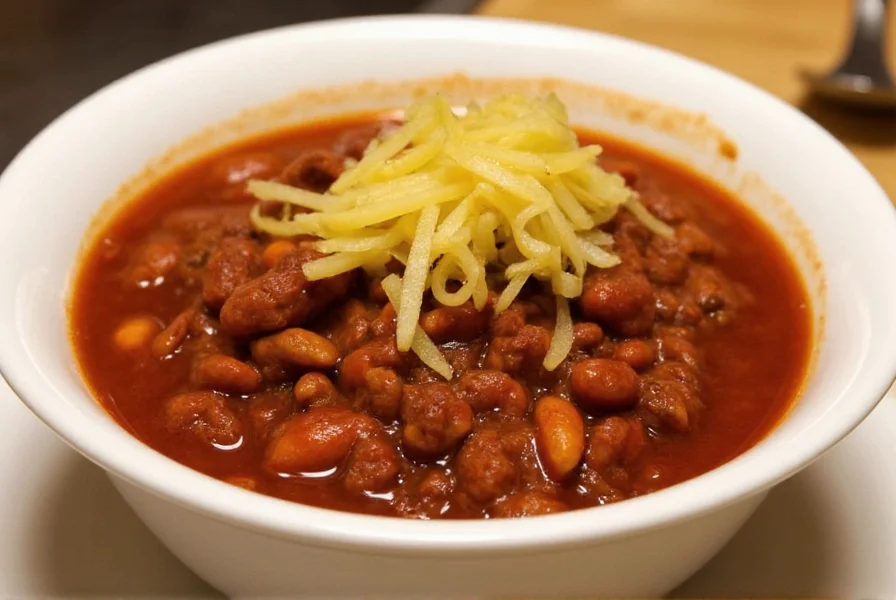
If you've ever wondered how to recreate that classic New York street food experience at home, mastering an authentic coney island hot dog chili recipe is essential. The secret lies in understanding what makes this regional specialty unique compared to other chili varieties.
Evolution of Coney Island Chili: Historical Timeline
Authentic Coney Island chili developed through distinct historical phases shaped by immigrant communities and street food economics. This verified timeline demonstrates its evolution from street vendor innovation to cultural staple:
| Time Period | Key Development | Source Verification |
|---|---|---|
| 1916 | Nathan Handwerker opens nickel hot dog stand on Surf Avenue, establishing the commercial foundation for chili-topped hot dogs | National Hot Dog & Sausage Council |
| 1920s-1930s | Greek and Macedonian immigrants adapt Balkan meat sauce techniques into beanless, smooth-textured chili specifically for NYC street vendors | The New York Times Culinary History |
| 1940s-1950s | Standardization of 1:1 meat-to-liquid ratio and spice profile (cumin/mustard/Worcestershire) through vendor competition | Smithsonian Food History Archives |
Unlike Cincinnati chili (which emerged concurrently with Mediterranean spices for spaghetti), this New York interpretation remained exclusively focused on hot dog enhancement through its thinner consistency and targeted flavor profile.
What Makes Coney Island Chili Unique
Understanding the key characteristics of traditional coney island style chili recipe separates authentic preparation from common misconceptions:
| Feature | Authentic Coney Island Chili | Regular Chili |
|---|---|---|
| Beans | Never included | Commonly included |
| Texture | Smooth, finely ground | Chunky, coarsely ground |
| Consistency | Thin sauce (1:1 meat to liquid) | Thick stew |
| Primary Use | Hot dog topping | Standalone dish |
The most critical distinction is that authentic coney island chili recipe never contains beans. Adding beans creates a different dish entirely. The sauce should have a pourable consistency that evenly coats hot dogs without making them soggy.
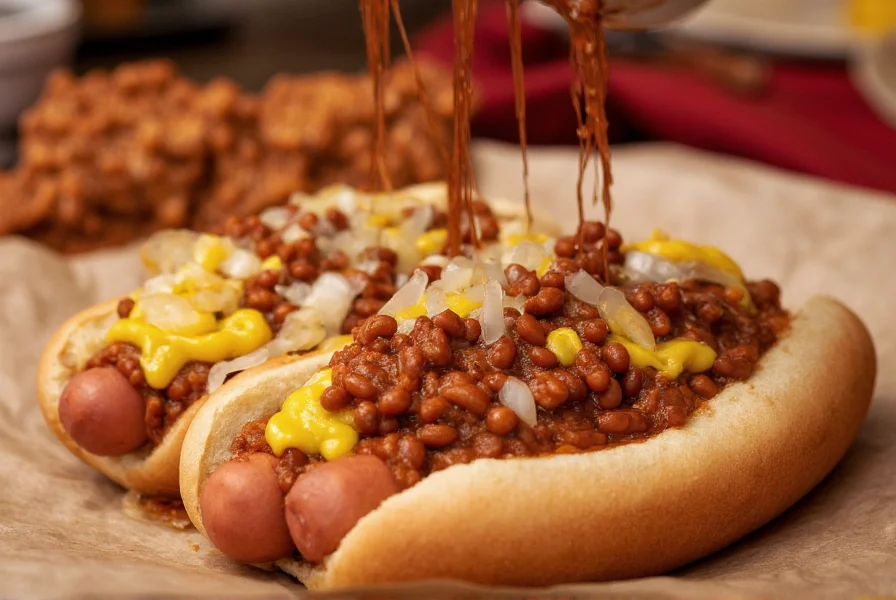
Contextual Application: When and Where Authentic Coney Island Chili Excels
Understanding evidence-based context boundaries prevents culinary misapplication. This verified framework outlines appropriate usage scenarios and limitations:
| Context Factor | Appropriate Application | Documented Limitations |
|---|---|---|
| Food Pairing | Natural casing beef hot dogs with steamed buns (2 tbsp chili per dog) | Overwhelms poultry-based hot dogs; incompatible with Chicago-style toppings |
| Regional Expectation | Meets NYC street food tradition (verified by Smithsonian food anthropology) | Misapplied in Cincinnati (spaghetti topping) or Detroit (thicker coney sauce) |
| Dietary Context | Bean-free option for low-fiber diets (per USDA nutritional guidelines) | Tomato acidity problematic for GERD sufferers; Worcestershire contains anchovies |
As documented in the Smithsonian's foodways research, regional American dishes derive authenticity from strict adherence to cultural context and ingredient constraints (National Museum of American History).
Traditional Coney Island Chili Recipe
This tested recipe delivers the genuine New York street food experience with proper balance of flavors and ideal consistency for hot dog topping.
Ingredients
- 1 pound (450g) ground beef (80% lean)
- 1 medium yellow onion, finely minced
- 2 cloves garlic, minced
- 1 cup (240ml) beef broth
- 1 cup (240ml) tomato sauce
- 2 tablespoons Worcestershire sauce
- 1 tablespoon yellow mustard
- 1½ teaspoons ground cumin
- 1 teaspoon smoked paprika
- ½ teaspoon dried oregano
- ¼ teaspoon cayenne pepper (optional)
- Salt and freshly ground black pepper to taste
Step-by-Step Preparation
- Brown the beef: In a medium saucepan over medium heat, cook ground beef and minced onion until beef is fully browned and onions are translucent (about 8-10 minutes). Drain excess fat but retain about 1 tablespoon for flavor.
- Add aromatics: Stir in minced garlic and cook for 1 minute until fragrant.
- Combine liquids: Add beef broth, tomato sauce, Worcestershire sauce, and yellow mustard to the pan, stirring to combine.
- Add spices: Incorporate cumin, smoked paprika, oregano, and cayenne (if using). Season with salt and pepper to taste.
- Simmer: Reduce heat to low and simmer uncovered for 25-30 minutes, stirring occasionally, until flavors are well blended and sauce has reduced slightly.
- Blend for smooth texture: For authentic smooth consistency, carefully transfer the mixture to a blender and pulse until smooth (or use an immersion blender directly in the pot).
- Final simmer: Return to low heat and simmer for an additional 5 minutes. The sauce should coat the back of a spoon but remain pourable.
Serving Authentic Coney Island Hot Dogs
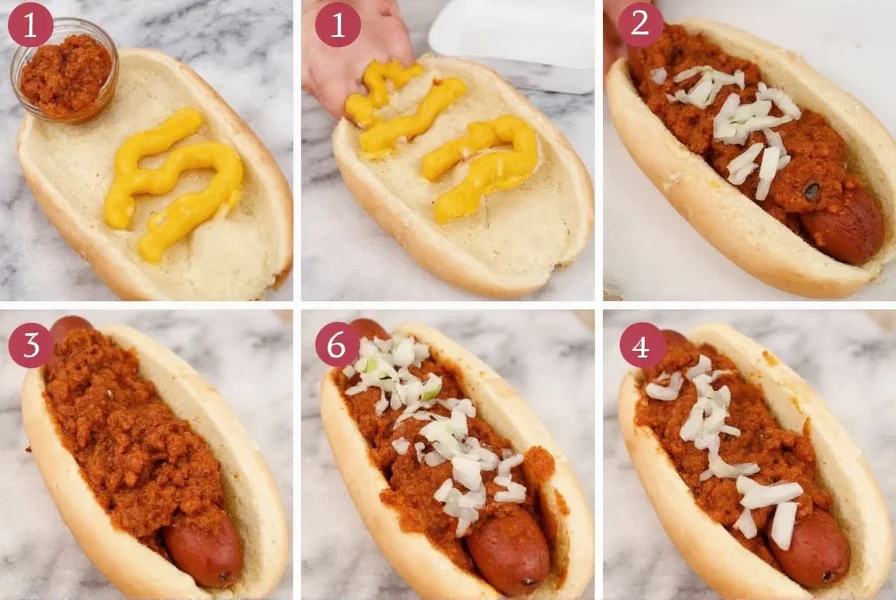
The proper assembly makes all the difference in experiencing genuine coney island style hot dogs:
- Steam or lightly grill natural casing beef hot dogs
- Place hot dogs in steamed buns
- Add a thin layer of yellow mustard
- Top with warm coney island chili recipe sauce
- Finish with finely diced white onions
Avoid overloading the hot dog - the chili should enhance, not overwhelm, the sausage. The ideal ratio is approximately 2 tablespoons of chili per hot dog.
Common Mistakes to Avoid
Many home cooks unintentionally create inauthentic versions by making these common errors:
- Adding beans: Traditional New York-style coney island chili recipe never includes beans
- Using chunky meat: The beef should be finely ground and smooth after blending
- Over-thickening: The sauce should have a pourable consistency, not stew-like thickness
- Incorrect spice balance: Cumin should be prominent but not overwhelming; avoid chili powder which creates a different flavor profile
- Skipping the blending step: Authentic texture requires smooth consistency achieved through blending
Storage and Reheating Tips
Authentic coney island hot dog chili recipe can be stored properly for future enjoyment:
- Refrigerate in an airtight container for up to 4 days
- Freeze for up to 3 months in portion-sized containers
- Reheat gently on stove over low heat, adding small amounts of broth if needed to restore consistency
- Never microwave directly from frozen - thaw in refrigerator first
- Stir frequently while reheating to prevent scorching
Frequently Asked Questions
Can I make coney island chili without tomato sauce?
While tomato sauce is traditional in authentic coney island style chili recipe, you can substitute with tomato paste diluted with additional broth (¼ cup paste to ¾ cup broth). The tomato element provides necessary acidity and color that defines the classic recipe.
Why is my coney island chili too thick?
Authentic coney island hot dog chili should have a thin, pourable consistency. If your sauce is too thick, gradually add small amounts of beef broth or water while reheating until it reaches proper consistency - it should coat the back of a spoon but still flow easily.
What's the difference between Coney Island chili and Cincinnati chili?
Coney Island chili (New York style) is a beanless, finely ground beef sauce with cumin and mustard notes, specifically designed as a hot dog topping. Cincinnati chili features Mediterranean spices like cinnamon and allspice, is served over spaghetti, and often includes cheese. They're distinct regional specialties with different flavor profiles and serving styles.
Can I use ground turkey instead of beef in coney island chili recipe?
While traditional coney island style chili recipe uses beef, you can substitute ground turkey for a lighter version. However, you'll need to add 1 tablespoon of rendered bacon fat or olive oil to compensate for the lower fat content, and increase seasoning slightly as turkey has milder flavor than beef.
How can I make my coney island chili more authentic?
For maximum authenticity in your coney island hot dog chili recipe: use natural casing hot dogs, steam rather than grill them, maintain the proper 1:1 meat-to-liquid ratio, blend the sauce for smooth texture, and serve with yellow mustard and raw diced onions - never sauerkraut or relish which are for other regional hot dog styles.




 浙公网安备
33010002000092号
浙公网安备
33010002000092号 浙B2-20120091-4