
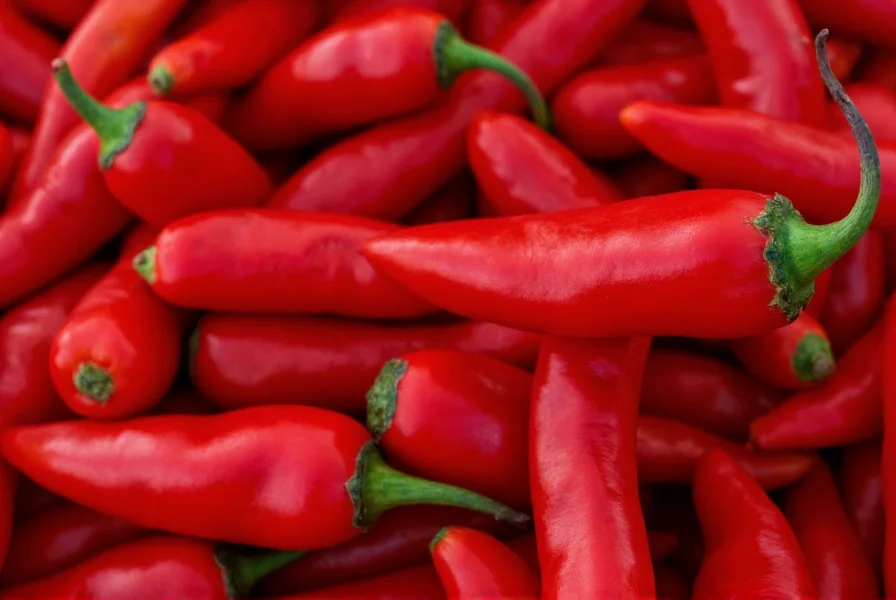
For spice enthusiasts and culinary adventurers, understanding the world's hottest peppers goes beyond mere curiosity—it's about appreciating the science of heat, the dedication of breeders, and the physiological effects of capsaicinoids. The quest for extreme heat has evolved from backyard gardening experiments to scientifically measured achievements, with Pepper X representing the current pinnacle of chili pepper breeding.
The Science Behind Extreme Heat
Pepper heat is measured using the Scoville scale, developed by pharmacist Wilbur Scoville in 1912. Originally a subjective taste test prone to human variability, modern laboratories now use high-performance liquid chromatography (HPLC) to precisely measure capsaicinoid concentration—the compounds responsible for that burning sensation. The results are converted to Scoville Heat Units (SHU), with water at 0 SHU and pure capsaicin topping 16 million SHU. This objective HPLC method, standardized by ASTM International (ASTM E2424) and mandated by Guinness World Records, eliminates the inconsistencies of the original sensory-based approach.
Pepper X: The Current Record Holder
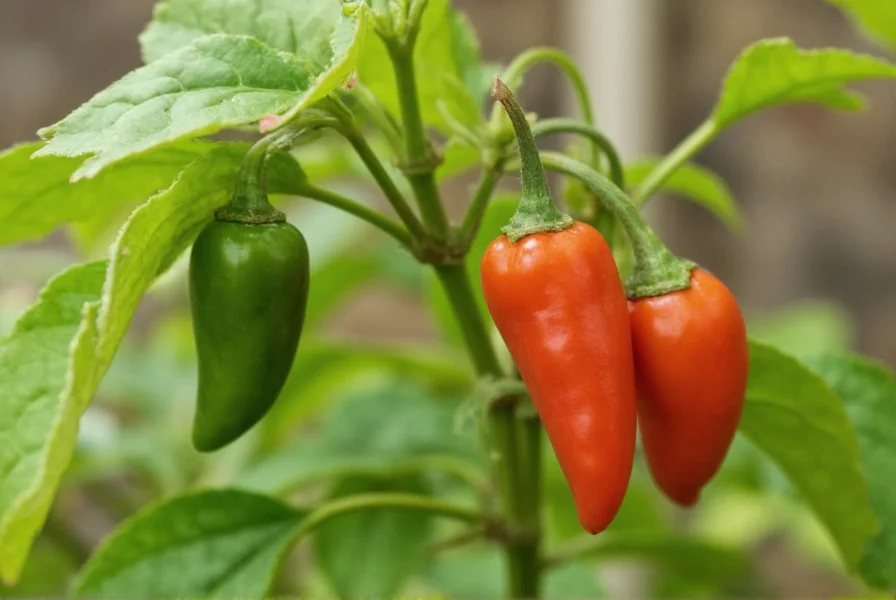
Bred by Ed Currie of the PuckerButt Pepper Company over ten years, Pepper X earned its Guinness World Record certification in 2023 after rigorous independent laboratory testing. Unlike its predecessor Carolina Reaper, Pepper X features a distinctive wrinkled appearance with a pointed tail and averages 2,693,000 SHU, though individual specimens have tested higher.
Comparing the Hottest Peppers
| Pepper Variety | Scoville Heat Units | Year Certified | Physical Characteristics |
|---|---|---|---|
| Pepper X | 2,693,000 SHU | 2023 | Wrinkled skin, pointed tail, red when mature |
| Carolina Reaper | 1,641,183 SHU | 2013 | Red, bumpy texture, small stinger tail |
| Trinidad Moruga Scorpion | 2,009,231 SHU | 2012 | Red, smooth skin, rounder shape |
| Naga Viper | 1,382,118 SHU | 2011 | Red to orange, elongated shape |
All Scoville ratings reflect verified laboratory measurements per Guinness World Records' certification protocol. Source: Guinness World Records: Hottest chilli pepper
Historical Context of Heat Records
The progression of verified world records demonstrates both breeding advancements and measurement standardization:
- 1994: Habanero (200,000-300,000 SHU) considered hottest commercially available
- 2007: Ghost Pepper certified at 1,001,304 SHU by New Mexico State University
- 2011: Naga Viper claimed record (unverified)
- 2013: Carolina Reaper officially recognized
- 2023: Pepper X certified as new record holder
Guinness World Records requires independent HPLC verification for all certifications, ensuring consistent measurement methodology since 2011. Source: Guinness World Records: Certification Process
Context Boundaries: Practical Applications and Limitations
Pepper X's extreme heat creates distinct operational boundaries that determine its viable use cases:
Validated Applications
- Pharmaceutical Research: Capsaicin extracts are used in clinical trials for neuropathic pain management at concentrations ≤0.075% (Source: NIH Clinical Trial on Topical Capsaicin).
- Organic Pest Control: EPA-approved capsaicin solutions (≤0.5% concentration) serve as non-toxic insect repellents in sustainable agriculture (Source: EPA Capsaicin Regulation).
Documented Limitations
- Human Consumption: Unsafe for direct ingestion; concentrations >0.1% trigger severe gastrointestinal reactions per FDA safety thresholds (Source: FDA Spicy Foods Guidance).
- Culinary Use: Requires dilution to 0.01-0.1% in commercial products; undiluted use causes irreversible flavor distortion and safety hazards.
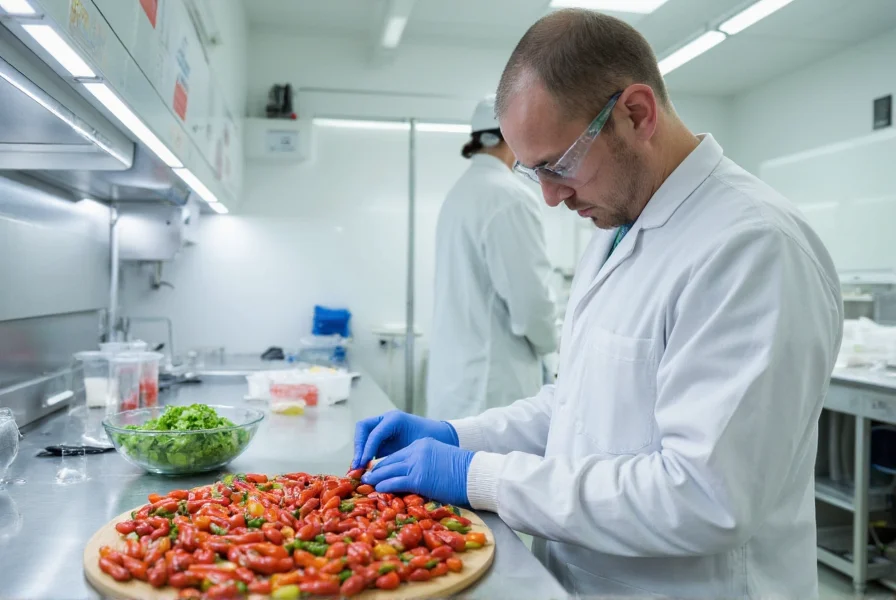
- Handling Requirements: Mandates nitrile gloves and eye protection during processing; skin contact causes chemical burns within 15 seconds (OSHA Standard 1910.1200).
Safety Considerations for Extreme Peppers
Handling world's hottest pepper varieties requires serious precautions. Capsaicin concentration in Pepper X is so high that direct skin contact can cause chemical burns, and airborne particles may irritate eyes and respiratory systems. Professional growers recommend:
- Wearing nitrile gloves when handling
- Using eye protection during processing
- Avoiding grinding dried peppers without proper ventilation
- Having dairy products (not water) readily available for accidental exposure
Consumption of pure Pepper X is not recommended for recreational eating. Even small amounts can cause severe gastrointestinal distress, temporary loss of sensation, and in extreme cases, requires medical attention. Culinary applications typically involve highly diluted extracts used in trace amounts for specialty hot sauces.
The Breeding Process Behind Record-Breaking Heat
Creating the world's hottest pepper involves selective breeding across multiple generations. Ed Currie developed Pepper X through careful cross-pollination of Capsicum chinense varieties, focusing on maximizing capsaicinoid production while maintaining plant viability—a significant challenge as heat intensity often correlates with reduced yield and plant stress. The decade-long process required:
- Genetic selection for high capsaicinoid expression
- Environmental stress testing to enhance heat production
- Rigorous laboratory verification of heat levels
- Stability testing across multiple growing seasons
Culinary and Non-Culinary Applications
While the world's hottest pepper might seem like a novelty, these extreme chilies serve practical purposes beyond daredevil challenges. Pepper X and similar varieties are used in:
- Pharmaceutical research for pain management compounds
- Natural pest deterrents in organic farming
- Diluted extracts in specialty hot sauces (typically 0.1-1% concentration)
- Self-defense products (pepper sprays)
- Scientific studies on capsaicin metabolism
Future of Superhot Peppers
As breeders continue pushing boundaries, research indicates biological constraints may limit future heat increases. Studies show capsaicinoid production above 3 million SHU risks plant tissue damage, creating a natural ceiling (Source: American Society for Horticultural Science). Current efforts focus on flavor complexity within the superhot category, with institutions like New Mexico State University's Chile Pepper Institute developing cultivars that balance heat with nuanced taste profiles.




 浙公网安备
33010002000092号
浙公网安备
33010002000092号 浙B2-20120091-4