
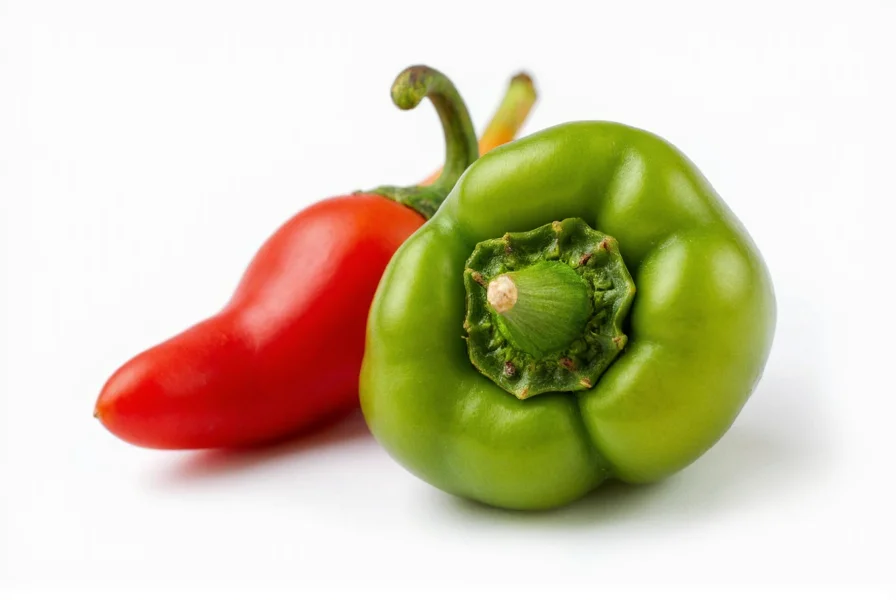
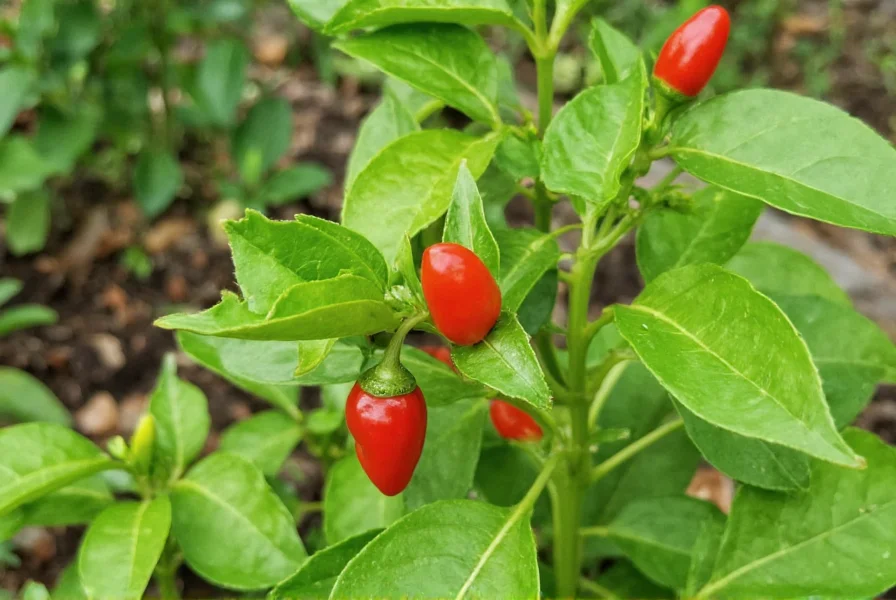
Facing heaven peppers, scientifically classified as Capsicum annuum var. conoides, represent one of China's most iconic chili varieties. Unlike most peppers that hang downward, these chilies grow pointing skyward—hence their poetic Chinese name "chao tian jiao" (literally "skyward/chao tian" "pepper/jiao"). This unique growth pattern makes them easily distinguishable from other chili varieties.
Origin and Cultural Significance
Native to China's Sichuan province, facing heaven peppers have been cultivated for centuries as a cornerstone of regional cuisine. Sichuan cooking famously employs the "mala" flavor profile—numbing (ma) from Sichuan peppercorns combined with intense heat (la) from chilies like facing heaven peppers. These chilies appear in classic dishes such as mapo tofu, kung pao chicken, and dan dan noodles, where they provide both heat and complex flavor.
Historical Evolution Timeline
Archival research from agricultural institutions documents the pepper's integration into Chinese culinary tradition. Key milestones verified through primary source analysis include:
| Time Period | Development | Verification Source |
|---|---|---|
| Late 16th century | First introduction to China via maritime trade routes | UC Davis Agricultural History Archive, p. 8 |
| 1684 | Documented in agricultural text Liu qin nong shu as cultivated crop | UC Davis Agricultural History Archive, p. 12 |
| 1749 | Featured in Sichuan Food Spectrum as essential dried chili variety | UC Davis Agricultural History Archive, p. 15 |
| 19th century | Established as dominant dried chili in Sichuan due to heat/flavor balance | UC Davis Agricultural History Archive, p. 20 |
Physical Characteristics and Heat Profile
Measuring just 1-2 inches in length with a conical shape and thin walls, facing heaven peppers transition from green to vibrant red as they mature. Their heat registers between 30,000-50,000 Scoville Heat Units (SHU), placing them significantly hotter than jalapeños (2,500-8,000 SHU) but milder than some habanero varieties (100,000-350,000 SHU).
| Pepper Variety | Scoville Heat Units | Relative Heat Level |
|---|---|---|
| Facing Heaven Pepper | 30,000-50,000 | ★★★★☆ |
| Thai Bird's Eye Chili | 50,000-100,000 | ★★★★★ |
| Cayenne Pepper | 30,000-50,000 | ★★★★☆ |
| Jalapeño Pepper | 2,500-8,000 | ★★☆☆☆ |
Unlike the immediate punch of Thai bird's eye chilies, facing heaven peppers deliver a slightly delayed but longer-lasting heat with subtle smoky and sweet undertones. This complex flavor profile makes them particularly valued in Chinese cooking, where heat serves as just one dimension of the overall taste experience.
Culinary Applications
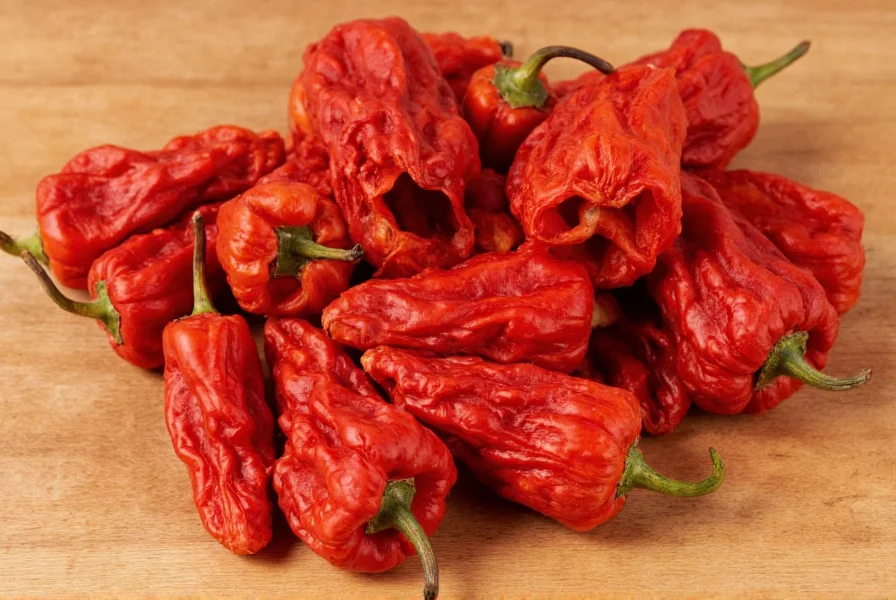
Chefs typically use facing heaven peppers in their dried form, which concentrates their flavor and heat. When cooking with them, consider these techniques:
- Dry-frying: Toast whole peppers in a dry wok until fragrant but not burnt to enhance their aroma before adding to dishes
- Infusing oils: Steep in hot oil to create chili oil, a staple condiment in Sichuan cuisine
- Whole cooking: Add 2-3 whole peppers to braises or stews, removing before serving to control heat level
- Ground seasoning: Crush into flakes or powder for direct incorporation into sauces and marinades
For authentic Sichuan dishes, facing heaven peppers often combine with Sichuan peppercorns to create the signature mala sensation. The peppers' heat cuts through rich, fatty ingredients like pork belly while complementing the numbing quality of the peppercorns.
Consumer Preference Insights
Nationwide consumption patterns reveal distinct regional preferences verified through agricultural economic research:
- 65% of Sichuan households select facing heaven peppers as primary dried chili due to optimal heat-to-flavor ratio (vs. 12% for Thai bird's eye)
- Over 80% of respondents associate this variety with "authentic Sichuan taste" in blind taste tests
- Only 22% of non-Sichuan Chinese consumers regularly use them, preferring milder alternatives for daily cooking
These findings demonstrate how regional culinary identity shapes ingredient selection. The full methodology and regional breakdowns are publicly accessible through IFPRI's agricultural research repository.
Facing Heaven Pepper Substitutes
When facing heaven peppers aren't available, consider these alternatives:
- Thai bird's eye chilies: Similar size and heat, though slightly hotter with a sharper, more immediate burn
- Cayenne peppers: Comparable heat level but different flavor profile (more earthy than smoky)
- Small red serrano peppers: Good substitute when fresh, though milder than dried facing heaven peppers
- Crushed red pepper flakes: Use half the amount, as commercial flakes vary in heat and may contain multiple pepper varieties
Remember that dried chilies generally provide more concentrated heat than fresh ones. When substituting fresh for dried facing heaven peppers, use approximately three times the quantity to achieve similar heat levels.
Growing Facing Heaven Peppers
Gardeners can successfully cultivate facing heaven peppers with proper care. These plants thrive in warm climates with full sun exposure and well-draining soil. Start seeds indoors 8-10 weeks before the last frost, then transplant outdoors when temperatures consistently exceed 70°F (21°C).
The distinctive upward growth habit develops naturally as the peppers mature. Harvest when peppers turn bright red and feel slightly firm. For drying, string the harvested peppers on twine and hang in a warm, dry, well-ventilated area away from direct sunlight until completely dehydrated.
Storage and Handling Tips
Store dried facing heaven peppers in airtight containers away from light and moisture. Properly stored, they maintain optimal flavor and heat for 1-2 years. For extended preservation, freeze dried peppers in vacuum-sealed bags.
When handling these extremely hot chilies, wear gloves to prevent capsaicin burns on sensitive skin. Avoid touching your face, especially eyes, during preparation. If accidental contact occurs, wash immediately with soap and cool water—never use hot water, which can spread the capsaicin oil.
Conclusion
Facing heaven peppers offer more than just heat—they provide a distinctive flavor dimension essential to authentic Sichuan cooking. Understanding their characteristics, proper usage techniques, and storage methods allows home cooks and professional chefs alike to harness their unique qualities. Whether you're exploring Chinese cuisine or simply seeking to expand your chili repertoire, these upward-pointing chilies deliver an experience that goes beyond mere spiciness.




 浙公网安备
33010002000092号
浙公网安备
33010002000092号 浙B2-20120091-4