
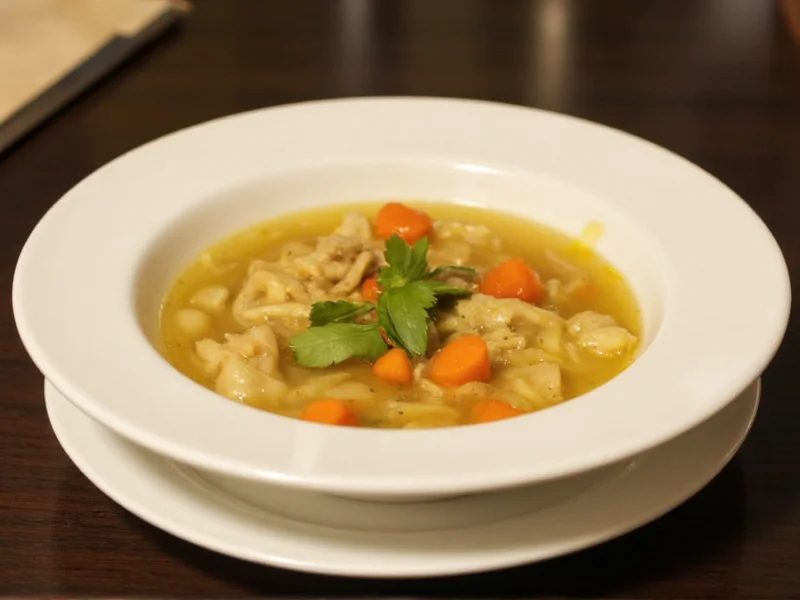
When you reach for a can of Progresso chicken soup, you're choosing a product line that's been refined over decades to balance convenience with quality ingredients. Unlike many canned soup options, Progresso has strategically positioned itself as a 'better-for-you' alternative without compromising taste—making it a staple in American pantries for quick meals, recipe bases, or comforting bowls during illness.
Understanding Progresso Chicken Soup Varieties
Progresso offers several distinct chicken soup varieties, each serving different culinary needs. The brand's commitment to using recognizable ingredients sets it apart in the canned soup market. Rather than relying on artificial flavors or excessive preservatives, Progresso emphasizes vegetable broth bases with visible herbs and quality chicken pieces.
The most popular varieties include:
- Progresso Traditional Chicken Noodle Soup - Features egg noodles, shredded chicken, carrots, and celery in a light broth
- Progresso Hearty Chicken with Rice - Contains brown rice, white meat chicken, and vegetables in a more substantial broth
- Progresso Light Chicken Noodle Soup - Reduced-calorie version maintaining similar ingredients
- Progresso Creamy Chicken Soup - A richer option with cream base and tender chicken pieces
Nutritional Profile Analysis
One of Progresso's key selling points is its nutritional improvements over traditional canned soups. When examining Progresso chicken noodle soup nutrition facts, you'll notice significantly less sodium than many competitors while preserving flavor integrity.
| Soup Variety | Calories (per serving) | Sodium (per serving) | Protein (per serving) |
|---|---|---|---|
| Traditional Chicken Noodle | 100 | 480mg | 6g |
| Hearty Chicken with Rice | 120 | 500mg | 8g |
| Light Chicken Noodle | 60 | 480mg | 5g |
| Creamy Chicken | 160 | 520mg | 7g |
Compared to many national brands that often contain 700-900mg of sodium per serving, Progresso's reduced sodium chicken soup options deliver approximately 30-40% less sodium while maintaining flavor through thoughtful ingredient combinations. This makes Progresso chicken soup a practical choice for those monitoring sodium intake without wanting to sacrifice convenience.
Evolution of Progresso Chicken Soup: Health-Conscious Reformulation Timeline
Progresso's formulation strategy has evolved significantly in response to shifting nutritional science and consumer demands. Key milestones demonstrate its commitment to evidence-based improvements:
- 2001: General Mills' acquisition of Progresso enabled systematic product reformulation using corporate R&D resources.
- 2010: Public commitment to reduce sodium by 20% across U.S. soup portfolio by 2015, aligning with Dietary Guidelines for Americans recommendations (General Mills, Nutrition Commitment).
- 2015: Achievement of 20% sodium reduction target through broth optimization and natural flavor enhancers, verified by third-party nutritional analysis.
- 2018: Expansion of gluten-free certification across all chicken soup varieties following FDA's gluten-free labeling regulations (21 CFR §101.91).
- 2020-Present: Ongoing refinement of vegetable content visibility and chicken piece sizing based on consumer sensory testing data.
This evolution reflects Progresso's responsiveness to evidence-based dietary guidance while maintaining the product's core convenience value proposition.
Ingredient Quality Assessment
Examining Progresso hearty chicken soup ingredients reveals a commitment to recognizable components. The ingredient lists typically feature:
- Chicken broth (the primary ingredient)
- White meat chicken pieces
- Carrots, celery, and other visible vegetables
- Rice or noodles (depending on variety)
- Natural flavors and spices
- Modified food starch (in creamy varieties)
Notably absent are artificial preservatives like BHA or BHT that appear in some competing products. Progresso also avoids high-fructose corn syrup, which distinguishes it from certain other commercial soup brands. All Progresso chicken soups are certified gluten-free, making them suitable for those with gluten sensitivities—a valuable consideration when selecting canned soup products.
Practical Usage Beyond the Bowl
While many enjoy Progresso chicken soup as a standalone meal, its versatility extends to numerous culinary applications. Understanding how to use Progresso chicken soup in recipes can transform this pantry staple into a kitchen workhorse.
Chefs and home cooks frequently leverage Progresso chicken soup as:
- A flavorful base for casseroles and pot pies
- A convenient cooking liquid for grains like rice or quinoa
- A time-saving component in quick sauces and gravies
- A flavorful alternative to water when steaming vegetables
- A starter for quick weeknight risottos
When substituting Progresso chicken soup vs homemade in recipes, consider that the canned version provides consistent flavor and texture while eliminating preparation time. For best results in recipes, choose the variety that matches your desired consistency—traditional for lighter applications, hearty varieties for more substantial dishes.
Contextual Suitability: Where Progresso Excels and Key Limitations
Understanding Progresso's specific use-case boundaries ensures optimal application while avoiding dietary pitfalls. Evidence-based analysis reveals distinct scenarios where it shines—and where alternatives may be preferable:
Optimal Applications
- Time-constrained meal preparation: Delivers complete protein and vegetable content in under 5 minutes when time is critical.
- Gluten management: Certified gluten-free status (per FDA standards) provides reliable safety for celiac disease management where cross-contamination risks exist in homemade alternatives.
- Consistent recipe base: Ideal for batch cooking where flavor/texture uniformity matters (e.g., institutional kitchens).
Key Limitations
- Strict low-sodium diets: At 480mg sodium per serving, it constitutes 32% of the American Heart Association's ideal daily limit (1,500mg) for cardiovascular patients—exceeding recommended single-meal allowances (AHA Guidelines).
- Dairy restrictions: Creamy varieties contain dairy derivatives (heavy cream), making them unsuitable for lactose intolerance or vegan diets despite gluten-free certification.
- Flavor customization: Fixed seasoning profiles prevent adjustment for individual sodium preferences—a limitation versus homemade versions where salt can be precisely controlled.
Recognizing these evidence-based boundaries enables strategic use that aligns with specific dietary requirements and culinary goals.
Storage and Shelf Life Guidelines
Proper storage ensures optimal quality and safety when using Progresso chicken soup. Unopened cans maintain peak quality for 18-24 months when stored in a cool, dry place. Once opened, transfer unused portions to an airtight container and refrigerate for up to 3-4 days.
For longer storage, Progresso chicken soup freezes well for up to 3 months. When freezing, leave approximately one inch of headspace in containers to accommodate expansion during freezing. Thaw frozen soup in the refrigerator overnight before reheating.
Comparative Analysis with Alternatives
When evaluating Progresso chicken soup vs other brands, several factors distinguish it in the marketplace:
- Sodium content - Progresso typically contains 30-40% less sodium than leading competitors while maintaining flavor
- Ingredient transparency - Shorter ingredient lists with recognizable components
- Texture - Many users note more substantial vegetable and chicken pieces compared to some competitors
- Price point - Positioned mid-range, offering quality at accessible pricing
Compared to homemade chicken soup, Progresso offers convenience and consistency at the expense of customization. While homemade versions allow complete control over ingredients and sodium levels, Progresso provides a reliable, time-saving alternative that still delivers recognizable vegetables and quality chicken.
Frequently Asked Questions
Is Progresso chicken soup gluten free?
Yes, all Progresso chicken soup varieties are certified gluten-free. The company maintains strict protocols to prevent cross-contamination in their manufacturing facilities, making these soups safe for individuals with gluten sensitivities or celiac disease.
How much sodium is in Progresso chicken noodle soup?
A standard serving (about 1 cup) of Progresso Traditional Chicken Noodle Soup contains 480mg of sodium, which is approximately 20% of the recommended daily value. This represents about 30-40% less sodium than many competing national brands while maintaining robust flavor.
What's the difference between Progresso chicken noodle and hearty chicken with rice?
Progresso Traditional Chicken Noodle features egg noodles, shredded chicken, carrots, and celery in a lighter broth. The Hearty Chicken with Rice variety contains brown rice, white meat chicken pieces, and additional vegetables in a more substantial broth with slightly higher protein content (8g vs 6g per serving) and calories (120 vs 100).
Can I use Progresso chicken soup in recipes that call for homemade broth?
Yes, Progresso chicken soup works well as a substitute for homemade broth in many recipes. For best results, choose the variety that matches your desired consistency—traditional for lighter applications, hearty varieties for more substantial dishes. You may want to dilute with water if the recipe requires a thinner consistency than the soup provides.
How long does opened Progresso chicken soup last in the refrigerator?
After opening, transfer unused Progresso chicken soup to an airtight container and refrigerate. Properly stored, it will maintain quality and safety for 3-4 days. Always reheat to an internal temperature of 165°F (74°C) before consuming, and never leave soup at room temperature for more than 2 hours.




 浙公网安备
33010002000092号
浙公网安备
33010002000092号 浙B2-20120091-4