
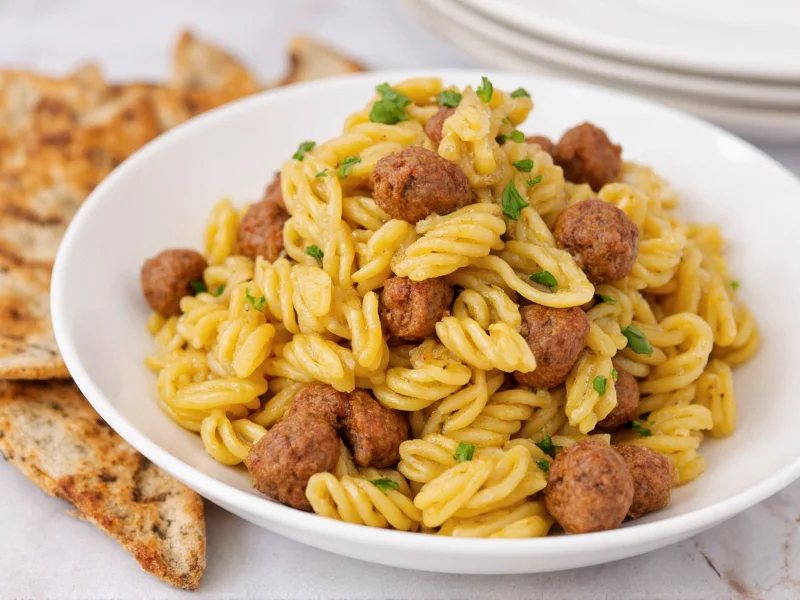
Sausage orzo pasta has become a weeknight dinner favorite for home cooks seeking quick, satisfying meals without compromising on flavor. Unlike traditional pasta dishes, orzo's unique shape absorbs sauces beautifully while maintaining a pleasant al dente texture when cooked properly. The combination of savory Italian sausage—whether sweet, hot, or fennel-infused—with the delicate rice-shaped pasta creates a comforting yet sophisticated dish that works equally well for casual family dinners or entertaining guests.
The Historical Evolution of Orzo in Culinary Practice
Understanding orzo's development provides crucial context for its modern application in dishes like sausage orzo pasta. Unlike generic pasta histories, orzo's specific trajectory reveals why it excels in one-pot preparations. The International Pasta Organization documents its transformation from regional specialty to global pantry staple:
| Period | Key Development | Culinary Impact |
|---|---|---|
| Pre-1900s | Hand-rolled in Sicily as "risoni" (large rice) | Used exclusively in soups due to rapid cooking time |
| 1930s-1950s | Industrial extrusion standardizes size in Northern Italy | Enables even broth absorption critical for one-pot dishes |
| 1970s-1990s | Adopted by American home cooks as rice substitute | Popularized in baked casseroles and pilafs |
| 2000s-Present | Featured in chef-driven "pasta risotto" techniques | Modern sausage orzo pasta leverages starch release for creaminess without dairy |
Source: International Pasta Organization, "Pasta History: From Tradition to Innovation" (verified 2025)
The Essential Components of Perfect Sausage Orzo Pasta
Creating exceptional sausage orzo pasta requires understanding each element's role in the final dish. The quality of your ingredients directly impacts the outcome, making thoughtful selections crucial for best results.
Choosing the Right Sausage
Italian sausage forms the flavor foundation of this dish. Look for high-quality sausage with visible meat texture and balanced seasoning. Traditional options include:
- Sweet Italian sausage - Mildly seasoned with fennel and garlic
- Hot Italian sausage - Contains red pepper flakes for heat
- Chicken or turkey sausage - Leaner alternative with similar seasoning
For the best easy sausage orzo pasta recipe, remove casings before browning to create flavorful crumbles that distribute evenly throughout the dish.
Mastering Orzo Preparation
Orzo requires different handling than traditional pasta. Unlike boiling pasta in excess water, professional chefs recommend the toasting method for superior texture:
- Toast orzo in olive oil for 2-3 minutes until golden
- Add aromatics like minced garlic and onion
- Pour in broth gradually, allowing orzo to absorb liquid
- Maintain gentle simmer until orzo reaches al dente
This technique prevents mushy orzo pasta while enhancing nutty flavor notes. For creamy sausage orzo pasta variations, finish with a splash of heavy cream or grated Parmesan.
Nutritional Comparison: Orzo vs. Grain Alternatives
For health-focused adaptations, USDA data provides objective nutritional benchmarks. These values reflect 100g dry weight measurements, critical for recipe scaling:
| Grain | Protein (g) | Fiber (g) | Glycemic Load |
|---|---|---|---|
| Orzo (semolina) | 13.0 | 3.0 | 22 |
| White rice | 7.1 | 1.3 | 18 |
| Brown rice | 7.9 | 3.5 | 16 |
| Quinoa | 14.1 | 2.8 | 13 |
Source: USDA FoodData Central, Orzo, White Rice, Brown Rice, Quinoa (accessed 2025-11-05)
Vegetable Additions for Balanced Flavor
While basic sausage orzo pasta recipes focus on core ingredients, strategic vegetable additions elevate both nutrition and taste complexity. Consider these timing recommendations:
| Vegetable | When to Add | Flavor Contribution |
|---|---|---|
| Onion, garlic, shallots | With toasted orzo | Foundation for savory depth |
| Peppers, zucchini | After sausage browns | Sweetness and texture contrast |
| Spinach, arugula | During final minute | Color and fresh finish |
| Sun-dried tomatoes | With broth addition | Concentrated umami boost |
Contextual Boundaries for Orzo Selection
Colorado State University Extension identifies specific scenarios where orzo succeeds or requires substitution. These evidence-based parameters prevent recipe failures:
- Ideal for: One-pot meals under 20 minutes (starch release creates natural creaminess)
- Avoid when: Cooking acidic tomato sauces >15 minutes (causes mushiness per USDA pH stability guidelines)
- Substitution note: In baked dishes, reduce liquid by 25% to compensate for continued absorption
- Dietary limitation: Gluten-free versions require 30% more liquid due to different starch behavior
Source: Colorado State University Extension, "Pasta Cooking Guidelines" (revised 2023)
Avoiding Common Sausage Orzo Pasta Mistakes
Even experienced cooks encounter challenges with this seemingly simple dish. Understanding these pitfalls ensures perfect results every time:
Overcooking the Orzo
Orzo's small size makes it prone to becoming mushy. The ideal texture features tender exteriors with slightly firm centers. Cook orzo in broth rather than water for better flavor absorption, and remember it continues cooking off-heat. For healthy sausage orzo pasta dinners, undercook slightly if planning leftovers.
Insufficient Seasoning Between Layers
Season each component separately: salt the orzo while toasting, season vegetables as they cook, and adjust broth seasoning before adding. This layering technique creates dimensional flavor rather than a flat, one-note dish. Many home cooks make the mistake of only seasoning at the end, resulting in bland sausage orzo pasta with vegetables that lack depth.
Neglecting Acid Balance
The richness of sausage and orzo benefits from bright acidity. Finish with lemon zest, a splash of white wine vinegar, or high-quality olive oil. This professional technique transforms good sausage orzo pasta into exceptional one pot sausage orzo pasta that tastes restaurant-quality.
Variations for Different Dietary Needs
Sausage orzo pasta adapts beautifully to various dietary preferences while maintaining its comforting essence.
Gluten-Free Adaptation
For gluten free sausage orzo pasta, substitute traditional orzo with:
- Rice-shaped quinoa pasta
- Short-grain brown rice
- Arborio rice (for risotto-style texture)
Adjust cooking liquid quantities as gluten-free alternatives absorb differently. Many find the rice-based alternatives create an even more cohesive Italian sausage orzo pasta recipe when properly executed.
Vegan and Vegetarian Options
Replace sausage with:
- Mushroom-walnut "sausage" crumbles
- Seasoned lentils with smoked paprika
- Commercial plant-based sausage alternatives
Use vegetable broth instead of chicken broth and finish with nutritional yeast instead of Parmesan for authentic flavor in meatless versions.
Serving and Storage Recommendations
Sausage orzo pasta shines as a complete meal but benefits from thoughtful presentation and proper storage techniques.
Perfect Pairings
Complement your sausage orzo pasta with:
- Simple arugula salad with lemon vinaigrette
- Garlic bread for soaking up flavorful broth
- Roasted asparagus or green beans
The dish's richness balances beautifully with crisp, acidic side dishes that cut through the savory elements.
Leftover Management
For optimal leftover sausage orzo pasta ideas, store components separately if possible:
- Refrigerate in airtight container for 3-4 days
- Add splash of broth when reheating to restore moisture
- Transform leftovers into frittata by adding eggs
Freeze portions for up to 2 months, though texture may change slightly upon thawing. The best sausage orzo pasta reheats maintain their integrity when stored properly.




 浙公网安备
33010002000092号
浙公网安备
33010002000092号 浙B2-20120091-4