
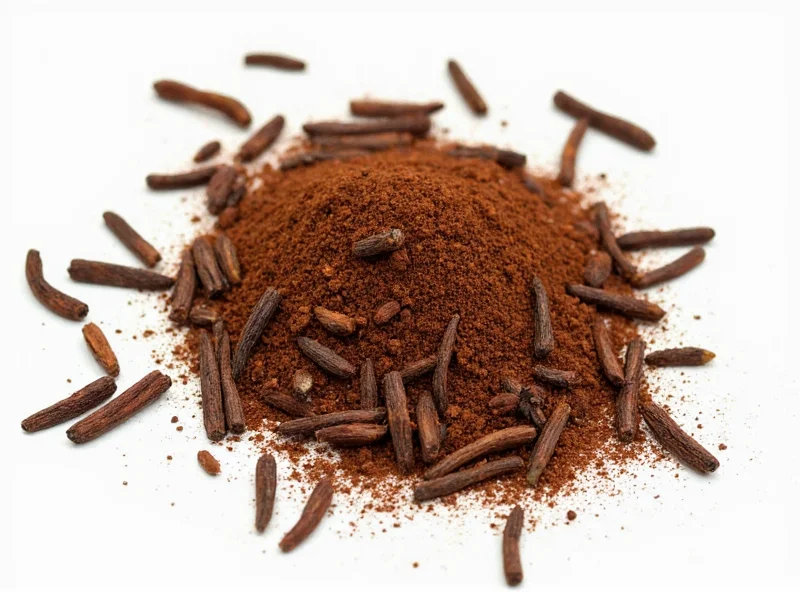
When you're mid-recipe and realize you're out of cloves, allspice becomes your most practical pantry substitute. Understanding the relationship between these spices prevents flavor disasters in your cooking. Allspice earned its name because early European explorers detected hints of cloves, cinnamon, and nutmeg in its flavor profile. While not identical, this similarity makes it the closest single-spice replacement for cloves in most culinary applications.
Understanding the Flavor Connection
Allspice (Pimenta dioica) and cloves (Syzygium aromaticum) share chemical compounds like eugenol that create their warm, pungent characteristics. However, cloves contain approximately 10-18% eugenol compared to allspice's 1-3.4%, explaining why cloves deliver a more intense, sharper flavor. This concentration difference is why proper substitution ratios matter significantly.
| Spice | Eugenol Content | Flavor Profile | Best Recipe Applications |
|---|---|---|---|
| Cloves | 10-18% | Sharp, pungent, sweet-bitter | Pumpkin pie, ham glazes, chai tea |
| Allspice | 1-3.4% | Warm, complex (clove+cinnamon+nutmeg) | Caribbean jerk, apple pie, beef stew |
Historical Context: Spice Trade Evolution
The substitution relationship emerged from centuries of global spice trade dynamics. Culinary historians at the Smithsonian National Museum of American History document how economic factors shaped modern substitution practices:
| Era | Key Developments | Impact on Substitution |
|---|---|---|
| 1500s | Spanish explorers discover allspice in Caribbean; Dutch establish clove monopoly in Indonesia | Allspice becomes affordable alternative to prohibitively expensive cloves in Europe (Smithsonian Food History) |
| 1600s | English traders coin "allspice" for its combined flavor profile; Dutch destroy competing clove trees | Chef manuals begin recommending allspice as clove substitute in non-traditional recipes (Encyclopædia Britannica) |
| 1900s-Present | Globalization reduces price gaps; USDA standardizes spice grading | Modern substitution focuses on flavor chemistry rather than cost (USDA FoodData Central) |
Perfecting the Allspice to Cloves Ratio
The standard substitution ratio of 3:1 (3 parts allspice to 1 part cloves) works for most applications, but requires adjustment based on your specific recipe:
- Baking applications: Use 1/4 teaspoon allspice for every 1/8 teaspoon cloves called for
- Savory dishes: Start with 1/2 teaspoon allspice per 1/4 teaspoon cloves, then adjust to taste
- Hot beverages: Substitute equal parts (1:1) since heat intensifies allspice's clove notes
Remember that allspice introduces additional flavor dimensions beyond cloves. In recipes where cloves provide the dominant spice note (like gingerbread or spiced cider), the substitution creates a more complex profile that some consider an improvement.
When Allspice Works Best as a Clove Substitute
Certain dishes accommodate allspice's broader flavor profile better than others. Consider these ideal substitution scenarios:
- Baked goods: Apple pie, pumpkin bread, and fruit crisps benefit from allspice's additional warmth
- Meat preparations: Beef stew, pot roast, and braised short ribs develop richer complexity
- Warm beverages: Mulled wine, spiced cider, and chai maintain essential clove characteristics
- Caribbean and Latin dishes: Jerk seasoning and mole sauces already feature allspice prominently
Contextual Boundaries for Substitution Success
Research from the Culinary Institute of America identifies critical boundary conditions affecting substitution outcomes. These parameters determine when allspice maintains recipe integrity:
| Recipe Type | Critical Boundary | Substitution Viability |
|---|---|---|
| Acidic preparations (pH < 4.0) | Vinegar/citrus content > 10% of liquid volume | Poor: Cloves' sharpness cuts through acidity better |
| Long-cooked dishes (>2 hours) | Simmering temperature maintained | Excellent: Allspice's complex notes mellow gradually |
| Traditional ethnic dishes | Recipe specifies whole cloves for visual/textural role | Poor: Allspice cannot replicate structural function |
Limitations of Allspice as a Clove Replacement
While generally effective, this substitution has limitations you should recognize. Avoid using allspice for cloves in recipes where:
- Cloves provide the singular dominant spice note (like certain pickling recipes)
- The recipe contains other warm spices that would create flavor overlap
- You need the distinctive numbing quality of cloves (important in some dental applications)
- Preparing traditional recipes where authenticity matters (like certain Indian biryanis)
In these cases, consider alternative substitutions or adjust other spice quantities to compensate.
Better Substitutes When Allspice Isn't Ideal
If your recipe falls into one of the limitation categories, try these alternatives instead:
- Clove-cinnamon blend: Mix 1/2 teaspoon cinnamon with 1/4 teaspoon cloves for every 1/4 teaspoon cloves required
- Nutmeg-cardamom combination: Use 1/4 teaspoon nutmeg plus 1/8 teaspoon cardamom per 1/4 teaspoon cloves
- Star anise: Substitute 1 whole star anise for 4-6 whole cloves in liquid-based recipes
Each alternative creates a different flavor profile, so choose based on your recipe's requirements and available ingredients.
Practical Tips for Successful Substitution
Follow these professional kitchen techniques when replacing cloves with allspice:
- Start with less: Add 75% of the calculated substitution amount, then taste before adding more
- Consider form: Ground allspice substitutes more directly than whole allspice berries for whole cloves
- Timing matters: Add allspice later in cooking than you would cloves to preserve its more delicate notes
- Balance with sweetness: Slightly increase sweeteners when substituting in baked goods to counter allspice's slight bitterness
Professional chefs often keep a small journal noting successful substitutions for future reference. Document your experiments to refine your personal substitution ratios based on your taste preferences and frequently prepared recipes.
Final Considerations for Flavor Success
Understanding spice substitution goes beyond simple ratios—it's about anticipating how flavor profiles interact in your specific recipe. Allspice works as a reliable cloves replacement in most home cooking scenarios, particularly when you adjust for its more complex flavor profile. The key to successful substitution lies in recognizing that you're not creating an identical dish, but rather adapting the recipe to work with available ingredients while maintaining delicious results.
When substituting allspice for cloves, remember that cooking is both science and art. Trust your palate more than strict measurements, and don't hesitate to adjust other elements of your recipe to achieve balanced flavors. With practice, you'll develop intuition for when allspice makes an excellent cloves substitute and when alternative approaches might serve your dish better.




 浙公网安备
33010002000092号
浙公网安备
33010002000092号 浙B2-20120091-4