
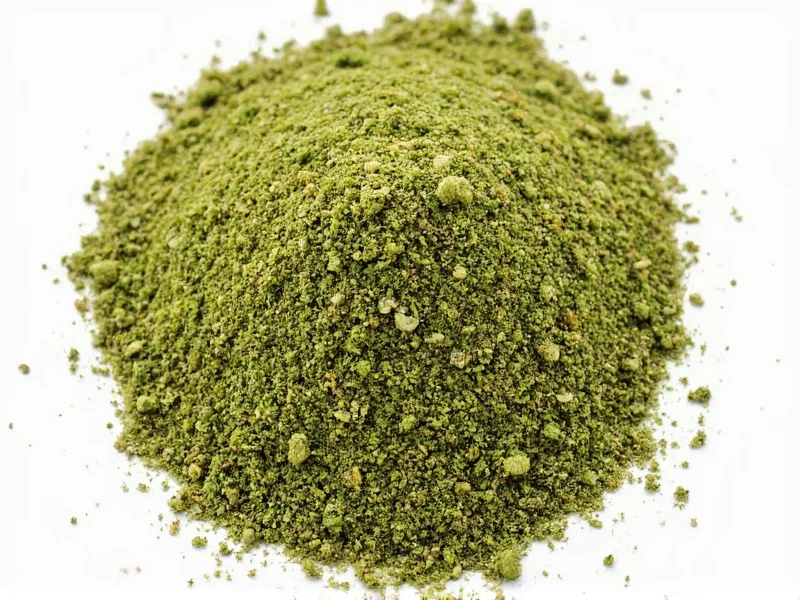
Understanding the distinction between ground coriander and cilantro is essential for accurate cooking and recipe execution. Many home chefs encounter confusion when recipes call for one or the other, especially when browsing international cookbooks or websites. The key difference lies in which part of the Coriandrum sativum plant you're using—seeds versus leaves—and this distinction dramatically affects flavor, culinary applications, and substitution possibilities.
Botanical Relationship: Same Plant, Different Components
Coriander (Coriandrum sativum) is an annual herb that produces multiple usable components:
- Cilantro: The Spanish word for the fresh leaves and stems
- Coriander seeds: The round, beige fruits that develop after flowering
- Roots: Used in some Southeast Asian cuisines
When recipes specify "ground coriander," they're referring exclusively to the spice made from grinding the dried seeds. Cilantro, by contrast, always refers to the fresh green herb. This isn't merely a terminology difference—it represents fundamentally different ingredients with distinct flavor profiles and culinary uses.
Regional Terminology Confusion Explained
The naming confusion primarily stems from regional language differences:
- American English: "Cilantro" for leaves, "coriander" for seeds
- British English and most Commonwealth countries: "Coriander" for both leaves and seeds (context determines meaning)
This linguistic divide explains why many people mistakenly believe ground coriander and cilantro are interchangeable. When British recipes mention "coriander" in a fresh context, American cooks might reach for ground coriander instead of fresh cilantro, creating significant flavor discrepancies.
Historical Evolution of Coriander Terminology
The naming divergence reflects centuries of linguistic adaptation. Key milestones verified through etymological research:
- Pre-14th Century: Ancient Egyptians and Greeks cultivated Coriandrum sativum. The Greek "koris" (bug) described unripe seeds' odor, evolving into Latin "coriandrum" due to perceived bedbug-like scent.
- 14th Century: "Coriander" entered Middle English via Old French, encompassing all plant parts. Merriam-Webster documents first English usage circa 1382.
- 16th-19th Centuries: British English maintained "coriander" universally, relying on contextual clues (e.g., "fresh coriander" for leaves).
- Early 20th Century: American English adopted "cilantro" (from Spanish) specifically for leaves to resolve confusion, with Merriam-Webster recording first U.S. usage in 1915.
| Characteristic | Ground Coriander | Cilantro (Fresh) |
|---|---|---|
| Plant Part | Dried seeds | Leaves and stems |
| Flavor Profile | Warm, citrusy, slightly nutty, with floral notes | Bright, citrusy, with distinctive soapy notes (to some) |
| Texture | Dry powder | Crisp, fresh leaves |
| Shelf Life | 6-12 months (whole seeds last longer) | 3-7 days refrigerated |
| Primary Culinary Use | Spice rubs, curries, baked goods, spice blends | Garnish, salsas, fresh sauces, salads |
Flavor Differences That Matter in Cooking
Understanding the flavor contrast between ground coriander and fresh cilantro is crucial for recipe success:
Ground coriander delivers a warm, earthy flavor with subtle citrus and floral notes. When toasted before grinding, it develops nuttier characteristics. This spice works best when added early in cooking to allow its flavors to meld with other ingredients. It's a staple in curry powders, Middle Eastern baharat, and Indian garam masala.
Fresh cilantro, by contrast, offers a bright, grassy flavor with pronounced citrus notes. Many people detect a soapy quality due to a genetic sensitivity to aldehydes in the leaves. Because heat diminishes its flavor, cilantro is typically added at the end of cooking or used as a garnish. It's essential in Latin American salsas, Southeast Asian salads, and Indian chutneys.
Genetic Basis of Cilantro Perception
This sensory variation is genetically determined, not subjective preference. Per National Institutes of Health research analyzing 14,604 participants:
- 21% of East Asians consistently perceive cilantro as soapy
- 17% of Europeans report strong aversion
- Only 14% of individuals with African ancestry experience this effect
The OR6A2 gene variant explains these population differences in aldehyde detection. This biological reality impacts recipe acceptance across demographics and validates why "cilantro-haters" cannot simply "acquire the taste." NIH Study: A Common Genetic Variant in the Olfactory Receptor OR6A2 is Associated with Coriander Dislike
Can You Substitute One for the Other?
While both come from the same plant, ground coriander and cilantro are not interchangeable in recipes. Their flavor profiles differ too significantly to substitute directly:
- Substituting ground coriander for fresh cilantro: Will add earthy warmth but miss the bright freshness. In a salsa, this would create an entirely different dish.
- Substituting fresh cilantro for ground coriander: Would add fresh herbal notes but lack the warm spice base. In a curry, this would result in missing the foundational spice note.
If you must substitute due to availability:
- For ground coriander: Try a mix of cumin and caraway (1:1 ratio) for similar earthy-citrus notes
- For fresh cilantro: Try fresh parsley with a squeeze of lime for similar freshness (though flavor profile differs)
Proper Storage Techniques
Maximize freshness and shelf life with these storage methods:
For ground coriander: Store in an airtight container away from light and heat. Whole coriander seeds maintain flavor longer (up to 1 year) than pre-ground spice (6 months). For extended freshness, keep in the freezer.
For fresh cilantro: Trim stems, place in a glass with 1 inch of water, cover loosely with a plastic bag, and refrigerate. Change water every 2-3 days. Alternatively, chop leaves, mix with oil, and freeze in ice cube trays for cooked applications.
Common Misconceptions Clarified
Several persistent myths contribute to the ground coriander versus cilantro confusion:
- Myth: "Coriander" and "cilantro" are completely different plants Fact: They're different parts of the same plant (Coriandrum sativum)
- Myth: Ground coriander is just dried cilantro Fact: Ground coriander comes from seeds; dried cilantro (rarely used) would be dehydrated leaves
- Myth: The flavor difference is minimal and substitutions won't affect recipes Fact: The flavor profiles differ significantly—substitutions alter dish character
Practical Applications in Global Cuisines
Understanding when to use each component elevates your cooking across various culinary traditions:
In Indian cuisine, ground coriander forms the base of most curry powders, while fresh cilantro appears as garnish or in chutneys. Mexican recipes typically call for fresh cilantro in salsas and guacamole, with ground coriander appearing less frequently. Middle Eastern dishes often use both—ground coriander in spice blends like za'atar, and fresh cilantro in salads and dips.
When following international recipes, always consider the regional context. A British recipe calling for "coriander" in a fresh salad likely means cilantro, while an American recipe specifying "coriander" in a spice rub refers to the ground seeds.
Final Clarification
The persistent confusion between ground coriander and cilantro stems from linguistic differences rather than botanical reality. Remember this simple rule: When it's green and leafy, it's cilantro; when it's beige and powdery, it's coriander. Understanding this distinction ensures your recipes turn out as intended, whether you're making Indian curries, Mexican salsas, or Middle Eastern spice blends. Always check the regional context of recipes to determine which component is required for authentic results.




 浙公网安备
33010002000092号
浙公网安备
33010002000092号 浙B2-20120091-4