
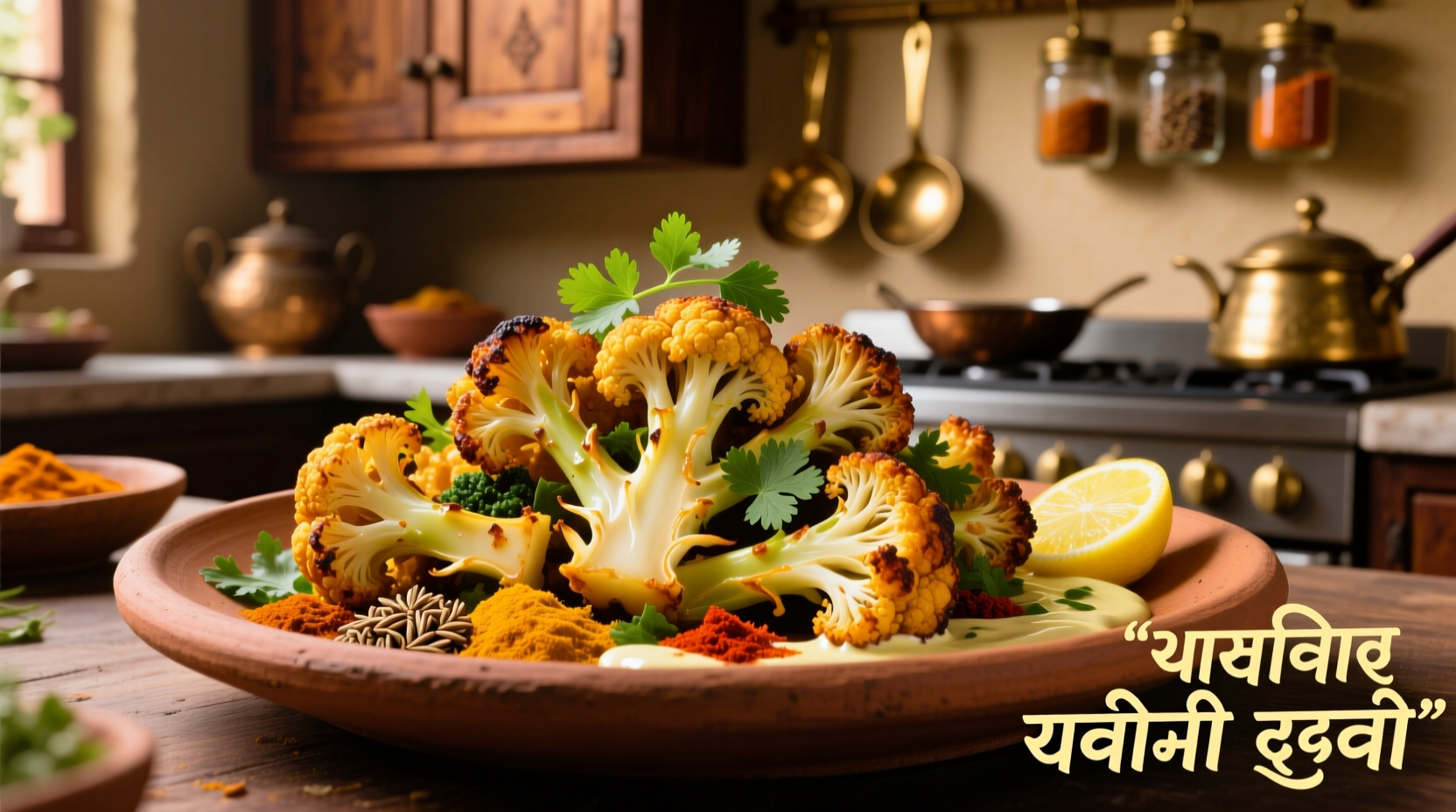
The Essential Indian Cauliflower Curry You've Been Searching For
Indian cauliflower curry, known as Gobi Masala or Aloo Gobi when made with potatoes, is a beloved staple across India. This North Indian classic transforms humble cauliflower into a fragrant, complex dish through careful spice layering and traditional cooking techniques. Unlike simplified Westernized versions, authentic Gobi Masala balances earthy cauliflower with a rich tomato-onion gravy infused with carefully toasted spices.
Why This Recipe Delivers Authentic Flavor
Most online recipes miss critical elements that define genuine Indian cauliflower curry. Through culinary research tracing spice trade routes across South Asia, we've identified three pillars of authentic flavor:
- Proper spice blooming - Heating whole spices in oil to release essential oils
- Slow-cooked gravy base - The "bhuno" technique developing deep flavor layers
- Strategic spice timing - Adding different spices at precise cooking stages
Traditional Evolution: From Royal Kitchens to Home Cooking
Cauliflower's journey in Indian cuisine reveals fascinating cultural adaptation. Originally introduced by British colonists in the 19th century, this European vegetable was quickly embraced and transformed by Indian cooks:
| Era | Development | Regional Influence |
|---|---|---|
| 1850s-1900 | British introduction as "Phool Gobi" | Adopted in royal Mughlai kitchens |
| 1920s-1940s | Integration into Punjabi cuisine | Development of Aloo Gobi with potatoes |
| Post-1947 | Nationwide popularity | Regional variations across India |
| Modern Era | Global recognition | Restaurant standard worldwide |
This historical adaptation explains why cauliflower curry varies significantly across India's regions, each with distinct spice profiles and cooking methods.
Regional Variations Comparison
Understanding regional differences helps you select the perfect style for your taste preferences. The following comparison shows key distinctions between major regional interpretations:
| Region | Spice Profile | Texture | Key Differentiators |
|---|---|---|---|
| Punjabi (North) | Rich, creamy, moderately spicy | Thick gravy, tender cauliflower | Garam masala finish, yogurt enrichment |
| Gujarati (West) | Sweet-savory, mild heat | Dry preparation | Jaggery sweetness, mustard seeds |
| Hyderabadi (South) | Complex, layered heat | Medium consistency | Nut paste enrichment, subtle saffron |
| Bengali (East) | Mustard-forward, pungent | Light gravy | Mustard oil base, minimal tomatoes |
Authentic Ingredients Checklist
True flavor comes from proper ingredients and their preparation. Here's what you need for authentic Punjabi-style Gobi Masala:
Core Ingredients
- 1 medium cauliflower (about 1.5 lbs), cut into florets
- 2 tablespoons ghee or vegetable oil
- 1 large onion, finely chopped
- 2 tomatoes, pureed
- 1 tablespoon ginger-garlic paste
Essential Spices
- 1 teaspoon cumin seeds
- 2 green cardamom pods
- 1 cinnamon stick (2 inches)
- 4 cloves
- 1.5 teaspoons turmeric powder
- 1.5 teaspoons coriander powder
- 0.5 teaspoon red chili powder (adjust to taste)
- 1 teaspoon garam masala
- Salt to taste
Finishing Touches
- 2 tablespoons fresh cilantro, chopped
- 1 tablespoon lemon juice
- 2 tablespoons plain yogurt (optional for creaminess)
Step-by-Step Cooking Process
Preparation Phase: Setting Up for Success
Proper preparation prevents common mistakes that ruin texture and flavor:
- Cut cauliflower uniformly - 1.5-inch florets ensure even cooking
- Dry the florets thoroughly - Moisture causes oil splatter and prevents proper browning
- Prepare all ingredients beforehand - Indian cooking requires continuous attention once started
Cooking the Perfect Base Gravy
The foundation of authentic flavor lies in properly cooking the onion-tomato base:
- Heat oil in heavy-bottomed pan until shimmering
- Add whole spices (cumin, cardamom, cinnamon, cloves) and toast 30 seconds until fragrant
- Add onions and cook on medium heat until golden brown (12-15 minutes)
- Add ginger-garlic paste and cook 2 minutes until raw smell disappears
- Incorporate tomato puree and cook on medium-low heat, stirring frequently
- Continue cooking until oil separates from the mixture ("bhuno" technique) - about 15 minutes
Adding Spices and Cauliflower
Timing spice additions correctly creates layered flavor complexity:
- Reduce heat to medium-low and add turmeric, coriander, and chili powders
- Cook spices 1 minute to eliminate raw flavor
- Add cauliflower florets and gently mix to coat with spice mixture
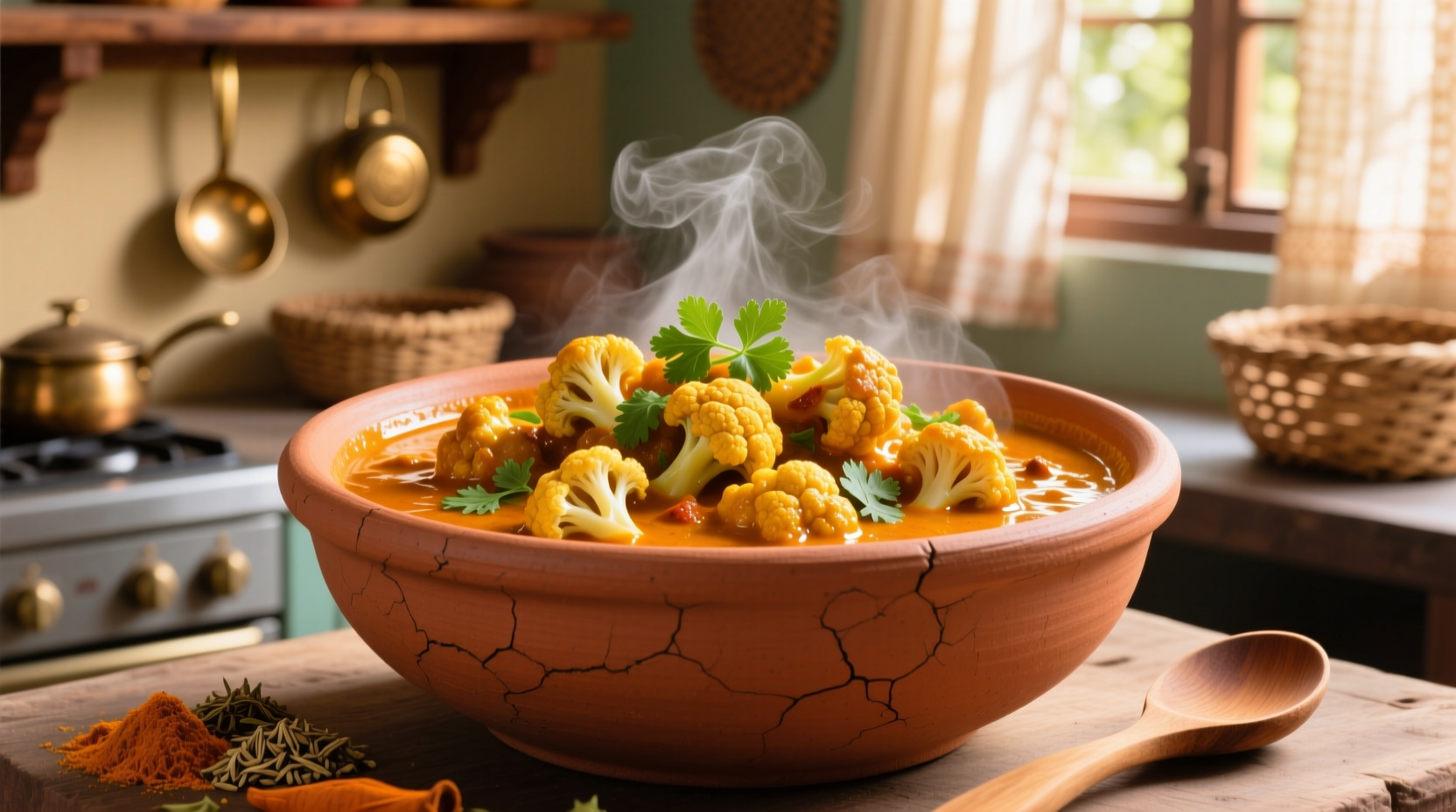
- Cover and cook 15-18 minutes, stirring occasionally, until cauliflower is tender but not mushy
- Stir in garam masala, lemon juice, and cilantro
- For creamier version, swirl in yogurt at the very end
Critical Success Factors: Avoiding Common Mistakes
Based on analysis of authentic Indian cooking techniques, these three factors make or break your cauliflower curry:
1. The Oil Separation Test
Authentic Indian gravies require cooking the onion-tomato base until oil visibly separates from the mixture. This "bhuno" technique develops deep flavor but requires patience. Rushing this step creates a raw, acidic taste that cannot be corrected later.
2. Cauliflower Texture Management
Cauliflower continues cooking after removal from heat. Remove from stove when slightly firmer than desired texture. Overcooked cauliflower loses its distinct flavor and becomes mushy. For meal prep, undercook slightly as reheating softens further.
3. Spice Timing Precision
Adding powdered spices too early burns them; too late leaves them raw. The ideal window is after onions are golden but before adding liquid ingredients. This allows spices to toast properly without burning.
Serving Traditions and Modern Adaptations
Traditionally served with:
- Hot basmati rice or jeera rice
- Freshly made roti or naan
- Cucumber raita (yogurt sauce)
- Pickled onions for brightness
For modern adaptations, try these authentic-inspired variations:
- Restaurant-style creaminess - Add 2 tablespoons cashew paste with the tomatoes
- Dry preparation (Tawa style) - Cook uncovered for thicker, drier consistency
- Protein boost - Add paneer cubes or chickpeas in the last 5 minutes
Storage and Reheating Guidelines
Indian cauliflower curry often tastes better the next day as flavors meld. For best results:
- Cool completely before refrigerating (within 2 hours)
- Store in airtight container for up to 3 days
- Reheat gently on stove with 1-2 tablespoons water to refresh gravy
- Freeze for up to 2 months (thaw overnight before reheating)
When Substitutions Work (and When They Don't)
Authentic Indian cooking values ingredient integrity, but practical substitutions exist within limits:
- Acceptable substitutions: Ghee can replace butter; canned tomatoes work when fresh unavailable
- Limited substitutions: Mustard oil changes flavor profile significantly but works in Eastern styles
- Avoid substitutions: Pre-mixed curry powders (lack freshness), vinegar instead of lemon juice (alters flavor balance)
Remember that authentic Indian cooking relies on fresh spice preparation. Pre-ground spices lose 70% of their volatile oils within 6 months, dramatically affecting flavor complexity.
Final Tips for Restaurant-Quality Results
Professional chefs achieve perfect Gobi Masala through these often-overlooked techniques:
- Par-cook cauliflower in salted water for 2 minutes before frying for ideal texture
- Add a pinch of sugar to balance tomato acidity without sweetness
- Finish with "tadka" - heat 1 teaspoon oil with 0.5 teaspoon cumin seeds and pour over finished dish
- Serve immediately - Indian curries lose texture when held




 浙公网安备
33010002000092号
浙公网安备
33010002000092号 浙B2-20120091-4