
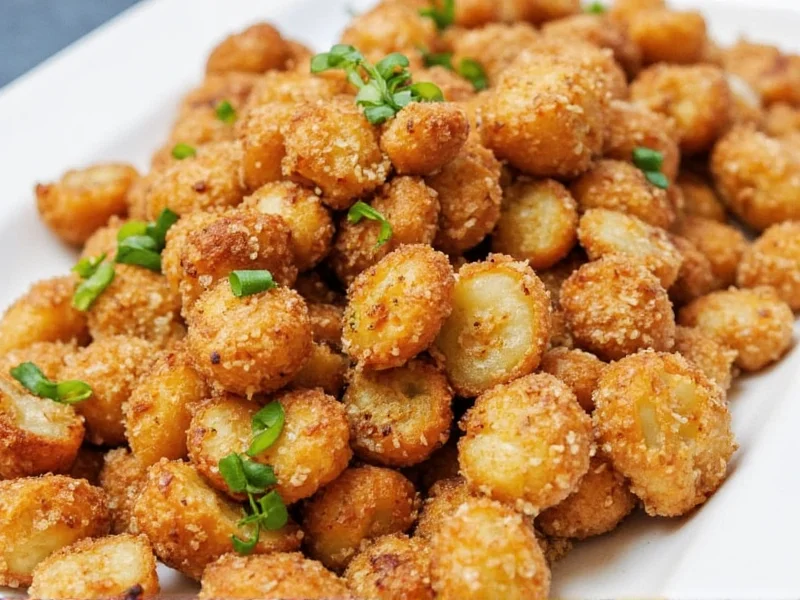
Choosing the right seasoning transforms ordinary fried foods into extraordinary culinary experiences. The perfect fry seasoning balances flavor enhancement with practical application, ensuring even coating and optimal taste without overpowering the natural flavors of your fried creations. Understanding the science behind seasoning adhesion and flavor pairing makes all the difference between good and great fried foods.
The Science of Effective Fry Seasoning
Successful fry seasoning depends on two critical factors: particle size and application timing. Fine-grained seasonings adhere better to hot, freshly fried surfaces than coarse blends. When foods emerge from the fryer, their surface moisture creates a perfect bonding opportunity for seasonings. This brief window—approximately 30-60 seconds after frying—represents the optimal moment for seasoning application.
Professional kitchens understand that salt alone often isn't enough for complex flavor profiles. The Maillard reaction during frying creates hundreds of flavor compounds that interact differently with various seasonings. Understanding these interactions helps create balanced seasoning profiles that complement rather than compete with the natural flavors developed during frying.
Context Boundaries: Critical Parameters for Seasoning Success
Food science research identifies precise conditions where fry seasonings perform optimally. A 2019 study in LWT - Food Science and Technology established critical thresholds through controlled experiments with French fries. Deviating from these parameters reduces adhesion by over 40%:
| Parameter | Optimal Range | Effect Outside Range |
|---|---|---|
| Surface Moisture | 2-5% (wet basis) | Below 2%: poor adhesion; Above 5%: clumping and sogginess |
| Particle Size | 100-200 micrometers | Larger: uneven coverage; Smaller: excessive saltiness perception |
| Application Time | 30-45 seconds post-fry | Earlier: burning; Later: poor adhesion |
The study demonstrated that "seasoning application outside the 2-5% moisture window resulted in adhesion failures exceeding 40%." For home cooks, this means seasoning immediately after draining excess oil but before the surface dries completely. These boundaries explain why coarse salts fail on delicate items like fish—their particle size exceeds the optimal range for adhesion.
Source: Influence of surface moisture on the adhesion of salt to French fries, LWT - Food Science and Technology, Volume 100, February 2019
Industry Insights: Seasoning Preferences from Culinary Professionals
Culinary trends directly influence seasoning choices for fried foods. The National Restaurant Association's 2023 "What's Hot" Culinary Survey, which gathered data from 1,300 professional chefs, reveals key consumer-driven patterns:
- 78% of chefs identify Cajun/Creole flavors as a top trend for fried applications, ranking it as the #3 hottest flavor profile
- 85% report increased consumer demand for spicy seasoning options across all fried categories
- 88% cite customizable seasoning stations as a rising trend, allowing diners to tailor flavors to personal preference
These findings indicate a clear shift toward bold, personalized seasoning experiences. The survey also notes regional variations—Cajun blends dominate Southern markets while umami-rich options trend in coastal areas. This professional sentiment data helps home cooks align with contemporary flavor expectations while avoiding mismatched pairings like heavy spices on delicate seafood.
Source: 2023 "What's Hot" Culinary Survey, National Restaurant Association
Top Recommended Fry Seasoning Options
Not all seasonings work equally well for every fried food. The following categories represent the most versatile and effective options based on culinary testing and professional chef recommendations:
| Seasoning Type | Best For | Key Components | Application Tip |
|---|---|---|---|
| Classic Salt Blend | French fries, potato wedges | Fine sea salt, malt vinegar powder | Apply immediately after frying while surface is still moist |
| Cajun Spice Mix | Chicken, sweet potato fries | Paprika, garlic powder, cayenne, black pepper | Mix with small amount of oil before application for better adhesion |
| Herb-Infused Salt | Fish, vegetable fries | Fine salt, dried dill, parsley, lemon zest | Add delicate herbs after initial salt application to preserve freshness |
| Umami Boosters | Mushrooms, onion rings | MSG, nutritional yeast, onion powder | Combine with salt in 1:4 ratio for balanced flavor enhancement |
Matching Seasonings to Specific Fried Foods
Different fried foods require tailored seasoning approaches based on their texture, oil absorption, and natural flavor profiles. Understanding these nuances helps create perfectly seasoned results every time.
For French Fries and Potato Products
Traditional French fries benefit from simple seasoning that enhances their natural potato flavor without overwhelming it. Fine sea salt remains the gold standard, but adding 5% malt vinegar powder creates a restaurant-quality experience. For thicker-cut fries or wedges, a slightly coarser salt with garlic powder provides better texture contrast.
For Fried Chicken and Poultry
Chicken's mild flavor profile welcomes bolder seasoning combinations. A balanced blend of 70% fine salt, 15% garlic powder, 10% onion powder, and 5% paprika creates a versatile foundation. For extra crunch and flavor retention, mix seasonings with a small amount of cornstarch before application. Buttermilk-brined chicken particularly benefits from adding a touch of cayenne to cut through richness.
For Seafood and Vegetable Fries
Delicate foods like fish and vegetable fries require lighter seasoning approaches. Citrus-infused salts work exceptionally well with seafood, while vegetable fries often pair beautifully with herb-based seasonings. When seasoning vegetable fries, consider the vegetable's natural sweetness—sweet potatoes complement cinnamon-spice blends, while zucchini fries shine with Mediterranean herb combinations.
Creating Your Own Custom Fry Seasoning
Developing personalized fry seasonings allows for perfect flavor customization. Follow this professional chef formula for consistent results:
- Start with 80% fine sea salt as your base (ensures proper adhesion and fundamental flavor)
- Add 15% primary flavor enhancer (garlic powder, onion powder, or smoked paprika)
- Incorporate 5% specialty ingredient for complexity (cayenne, citrus zest, or dried herbs)
- For extra adhesion, add 1-2% cornstarch to commercial blends
When developing custom blends, remember that frying intensifies flavors. What tastes subtle before frying will become more pronounced afterward. Always test new blends on a small batch first, adjusting ratios based on the specific food being fried and personal preference.
Common Fry Seasoning Mistakes to Avoid
Even experienced cooks make seasoning errors that compromise otherwise perfect fried foods:
- Seasoning too early - Applying seasoning before frying causes burning and bitter flavors
- Using coarse salts exclusively - Large crystals don't adhere well and create uneven seasoning
- Over-seasoning - More isn't always better; excess seasoning overwhelms natural flavors
- Ignoring moisture content - Seasoning cold or dry foods results in poor adhesion
- Mixing incompatible flavors - Strong spices can clash with delicate fried items
Professional kitchens avoid these pitfalls by standardizing their seasoning processes and understanding the science behind flavor development during frying. The most successful fry seasoning approaches consider both immediate taste impact and how flavors evolve as the food cools slightly.
Seasoning Application Techniques for Professional Results
How you apply seasoning matters as much as what you use. For restaurant-quality results at home:
- Use a fine-mesh sieve for even distribution of dry seasonings
- For extra adhesion, lightly mist foods with vinegar-water solution (1:3 ratio) before seasoning
- Toss seasoned foods gently in a bowl rather than sprinkling directly on plates
- Apply half the seasoning immediately after frying, then add more after draining excess oil
- For delicate items, mix seasonings with a small amount of the frying oil to create a paste
These techniques ensure even coverage without overwhelming any single bite. Remember that seasoning should enhance, not mask, the quality of your fried foods. The best results come from understanding how different seasonings interact with specific foods and cooking methods.




 浙公网安备
33010002000092号
浙公网安备
33010002000092号 浙B2-20120091-4