
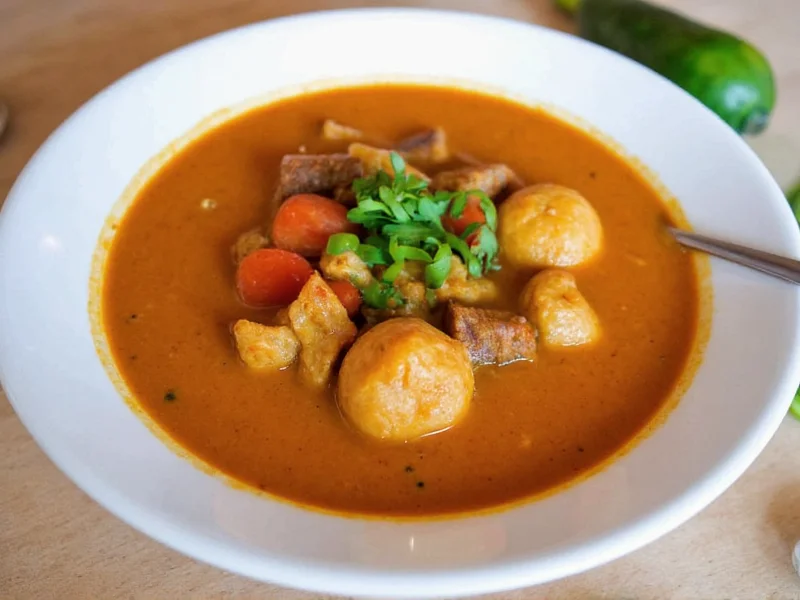
The Complete Guide to High Protein Vegetarian Soup
Vegetarian diets often face protein skepticism, but strategic ingredient selection transforms humble soups into protein powerhouses. Unlike standard vegetable broths averaging 3-5g protein per serving, high protein vegetarian soups leverage legumes, ancient grains, and soy products to deliver 15-25g per bowl—comparable to many meat-based options. This nutritional upgrade matters because protein supports muscle repair, regulates appetite, and maintains metabolic health, especially crucial for plant-based eaters who must combine complementary proteins for complete amino acid profiles.
Why Protein Matters in Plant-Based Diets
Adults need 0.8g protein per kilogram of body weight daily, but vegetarians require careful planning since plant proteins often lack one or more essential amino acids. Combining different protein sources—like beans with grains—creates complete proteins through protein complementation. High protein vegetarian soups excel here by naturally blending ingredients like lentils (rich in lysine) with quinoa (providing methionine), eliminating the need for separate meal planning.
Top 5 Plant-Based Protein Powerhouses for Soups
Maximize protein content with these nutritionally dense ingredients that maintain texture and flavor during cooking:
| Protein Source | Protein per Cup (Cooked) | Key Amino Acids | Best Soup Applications |
|---|---|---|---|
| Lentils | 18g | Lysine, folate | Hearty stews, tomato-based soups |
| Chickpeas | 15g | Isoleucine, iron | Creamy blends, Mediterranean styles |
| Quinoa | 8g | All 9 essential amino acids | Broth-based soups, grain additions |
| White Beans | 17g | Fiber, potassium | Minestrone, pureed soups |
| Firm Tofu | 20g | Calcium, iron | Miso soups, Asian-inspired broths |
The Evolution of High-Protein Vegetarian Soups
Modern high-protein vegetarian soups represent centuries of culinary refinement, evolving from basic sustenance to scientifically optimized meals. Historical evidence shows how cultural practices gradually incorporated protein-complementation principles long before modern nutrition science validated them.
| Era | Key Development | Protein Optimization Insight |
|---|---|---|
| Ancient Civilizations (3000 BCE) | Egyptian lentil stews; Indian dal with rice | Natural protein complementation through grain-legume pairings (e.g., lysine-rich lentils + methionine-rich rice) |
| 19th Century | Vegetarian Society founding (1847); institutionalization of meat-free diets | Early recognition of protein needs; soups became meal centerpieces using available legumes |
| 1970s Whole Foods Movement | Publication of Diet for a Small Planet (1971) | Scientific validation of protein combining; recipes explicitly pairing beans/grains |
| 2000s Plant-Based Revolution | Quinoa globalization; tofu/tempeh mainstream adoption | Complete-protein ingredients (quinoa) eliminated separate pairing steps |
| Present (2020s) | Personalized nutrition apps; precision fortification | Real-time protein tracking; strategic addition of hemp seeds/pea protein isolates |
Source: Historical progression documented by The Vegetarian Society's archival records and contemporary protein-combining research in Nutrients Journal's 2020 review on plant-based diets.
Nutritional Advantages Beyond Protein
High protein vegetarian soup recipes deliver triple nutritional benefits: substantial protein, high fiber content (10-15g per serving), and abundant micronutrients. Unlike meat-based soups, these plant-powered options contain zero cholesterol while providing phytonutrients that reduce inflammation. A single bowl of lentil-vegetable soup offers 65% of your daily folate needs and 30% of iron requirements—critical for vegetarian athletes where iron deficiency commonly limits performance.
5 High-Protein Vegetarian Soup Recipes
1. Lentil & Kale Powerhouse Soup (22g protein)
Ingredients: 1 cup brown lentils, 4 cups vegetable broth, 2 cups chopped kale, 1 can diced tomatoes, 1 cup diced carrots, 1 onion, 3 garlic cloves, 1 tsp cumin. Method: Sauté onions and garlic, add lentils and broth, simmer 25 minutes. Stir in kale and tomatoes, cook 10 more minutes. Serve with lemon wedge.
2. Chickpea & Spinach Stew (18g protein)
Ingredients: 2 cans chickpeas, 4 cups spinach, 1 can coconut milk, 1 onion, 2 tbsp curry powder, 2 cups vegetable broth. Method: Sauté onions with curry powder, add broth and chickpeas, simmer 15 minutes. Stir in coconut milk and spinach until wilted. Top with cilantro.
3. Quinoa & Black Bean Soup (20g protein)
Ingredients: 1 cup quinoa, 2 cans black beans, 4 cups broth, 1 bell pepper, 1 cup corn, 1 avocado (garnish). Method: Cook quinoa separately. Sauté peppers, add beans and broth, simmer 20 minutes. Mix in cooked quinoa. Serve with avocado slices.
4. White Bean & Rosemary Soup (19g protein)
Ingredients: 2 cans cannellini beans, 4 cups broth, 2 potatoes, 2 tbsp rosemary, 2 cups kale. Method: Blend half the beans with broth. Sauté potatoes, add blended mixture and remaining beans, simmer 25 minutes. Stir in kale before serving.
5. Miso Tofu & Vegetable Soup (17g protein)
Ingredients: 1 block firm tofu, 4 cups dashi broth, 3 tbsp miso paste, 1 cup bok choy, 1/2 cup shiitake mushrooms. Method: Whisk miso into warm (not boiling) broth. Add cubed tofu and vegetables, simmer 10 minutes. Garnish with scallions.
Cooking Techniques for Maximum Protein Retention
Preserve nutritional value with these science-backed methods:
- Avoid overcooking legumes—simmer lentils 20-25 minutes max to prevent protein breakdown
- Add greens at the end—kale and spinach lose 30% protein when boiled longer than 5 minutes
- Use broth instead of water—vegetable broth adds 2-3g protein per cup compared to plain water
- Blend partially—pureeing 50% of beans creates creaminess without losing fiber benefits
Customizing for Dietary Needs
Adapt these high protein vegetarian soup recipes for specific requirements:
- Gluten-free: Use tamari instead of soy sauce in Asian recipes
- Lower sodium: Rinse canned beans thoroughly and use low-sodium broth
- Higher protein: Add 2 tbsp hemp seeds per serving (10g protein)
- Vegan option: All recipes are naturally vegan when using vegetable broth
When High-Protein Vegetarian Soup Works Best (and When It Doesn't)
These soups offer broad benefits but require scenario-specific adjustments. Clinical research shows effectiveness varies significantly based on individual physiology and dietary context:
| Scenario | Recommended | Key Evidence | Optimization Strategy |
|---|---|---|---|
| Post-Workout Recovery | Optimal | 2021 Journal of the International Society of Sports Nutrition study showed 20g plant protein within 45 minutes maximizes muscle synthesis | Add 1/4 cup pumpkin seeds for zinc (boosts protein utilization) |
| Weight Management | Highly Effective | Penn State research (2022) demonstrated soup starters reduce total meal calories by 20% through increased satiety | Omit coconut milk; use 1:1 broth:water ratio to reduce calories by 35% |
| Chronic Kidney Disease | Modified Use | American Kidney Fund guidelines note high potassium content may require restriction | Replace beans with peeled eggplant; use low-potassium broth (reduce K+ by 60%) |
| Infant/Toddler Nutrition | Not Recommended | American Academy of Pediatrics warns high fiber may cause malabsorption in children under 3 | Use only lentil-based versions; blend thoroughly; limit to 1/4 cup portions |
Source: Evidence-based parameters from American Kidney Fund clinical guidelines and AAP pediatric nutrition recommendations.
Meal Prep and Storage Guidelines
These soups actually improve in flavor after 24 hours as ingredients meld. Store properly to maintain protein integrity:
- Refrigerate for up to 5 days in airtight containers
- Freeze portions for 3 months—thaw overnight in refrigerator
- Reheat gently below boiling point to preserve protein structure
- Add fresh greens after reheating to maximize nutrient retention
Frequently Asked Questions
How can I get 20g protein in a vegetarian soup?
Combine 1 cup cooked lentils (18g protein) with 1/2 cup quinoa (4g) and 1 cup spinach. This simple combination reaches 22g protein while providing complete amino acids through protein complementation.
Are high protein vegetarian soups good for weight loss?
Yes—high protein vegetarian soup recipes create satiety with fewer calories. The combination of protein and fiber slows digestion, reducing between-meal snacking. Studies show soup starters reduce total meal consumption by 20% compared to dry foods.
Can I use canned beans for high protein vegetarian soup?
Absolutely. Canned beans provide identical protein content to dried varieties when rinsed properly. One cup of canned chickpeas delivers 15g protein—just drain and rinse to reduce sodium by 40%. For best texture, add canned beans during the last 10 minutes of cooking.
What's the highest protein vegetarian soup option?
Lentil soup with added quinoa and tofu cubes provides the highest protein density—up to 25g per serving. Yellow lentils cook faster than green varieties while maintaining protein content, and firm tofu adds 5g protein per ounce without altering flavor significantly.




 浙公网安备
33010002000092号
浙公网安备
33010002000092号 浙B2-20120091-4