
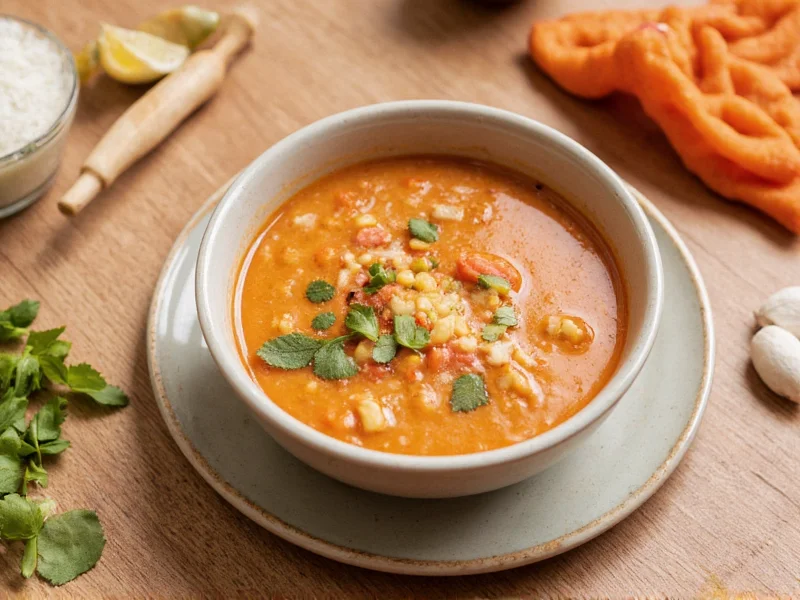
When searching for nutritious canned soup options, understanding what makes a soup truly healthy is essential. Many consumers mistakenly assume all canned soups are high in sodium and preservatives, but several brands now offer genuinely nutritious alternatives that balance convenience with health benefits. The key is knowing which nutritional factors matter most and how to evaluate product labels effectively.
Key Factors in Determining Healthy Canned Soup Options
To identify the healthiest canned soup choices, focus on these critical nutritional elements that impact overall dietary quality. Understanding these factors helps consumers make informed decisions rather than relying on marketing claims alone.
Sodium Content: The Primary Health Consideration
Sodium levels represent the most significant health concern in canned soups. The American Heart Association recommends no more than 2,300mg of sodium daily, with an ideal limit of 1,500mg for most adults. Many traditional canned soups contain 800-1,000mg sodium per serving—nearly half the recommended daily maximum in a single bowl.
Look for soups labeled "low sodium" (140mg or less per serving) or "reduced sodium" (at least 25% less than regular versions). "No salt added" varieties provide even better options for those monitoring sodium intake closely. When comparing low sodium canned soup options, check that the reduction hasn't been compensated with excessive sugar or artificial flavor enhancers.
Ingredient Quality and Composition
The healthiest canned vegetable soup brands prioritize whole food ingredients over processed components. Examine the ingredient list for:
- Real vegetables as primary ingredients (look for "carrots" rather than "vegetable puree")
- Minimal preservatives (avoid sodium benzoate, potassium sorbate when possible)
- Natural flavorings instead of MSG or artificial flavors
- Healthy fats like olive oil rather than hydrogenated oils
- Whole grains and legumes for fiber content
Organic canned soup for weight loss enthusiasts often contains fewer pesticides and potentially harmful chemicals, though organic certification doesn't automatically mean lower calories. The presence of fiber-rich ingredients like beans, lentils, and whole vegetables creates more satiating options that support healthy eating patterns.
| Brand & Product | Sodium (per serving) | Key Nutrients | Notable Features |
|---|---|---|---|
| Amy's Light in Sodium Organic Lentil | 290mg | High fiber, plant-based protein | Organic, no artificial flavors |
| Pacific Foods Organic Low Sodium Vegetable | 70mg | Vitamins A & C, potassium | No added sugar, gluten-free |
| Health Valley No Salt Added Minestrone | 35mg | Fiber, lycopene from tomatoes | Non-GMO, low calorie |
| Imagine Organic Low Sodium Garden Vegetable | 110mg | Vitamins, minerals | Gluten-free, no artificial ingredients |
| Progresso Light Vegetable Classics | 480mg | Vitamin C, fiber | Lower calorie, widely available |
Evolution of Sodium Standards in Canned Soups: A Historical Perspective
Understanding the historical progression of sodium levels reveals how public health initiatives have transformed canned soup formulations. This timeline demonstrates measurable industry progress through verifiable regulatory milestones:
- 1980s-1990s: Industry standard sodium levels averaged 800-1,000mg per serving, with the FDA defining "low sodium" as ≤140mg per serving—a threshold rarely achieved.
- 2004: American Heart Association (AHA) established 1,500mg as the ideal daily sodium limit, catalyzing initial reformulation efforts among premium brands.
- 2010: Institute of Medicine (IOM) published Strategies to Reduce Sodium Intake in the United States, setting a 50% sodium reduction target for processed foods over 10 years.
- 2016: FDA issued voluntary sodium reduction targets, establishing Stage 1 benchmarks (480mg/serving for soups) to be achieved by 2020.
- 2021: CDC data confirmed processed foods contribute 70% of dietary sodium, accelerating industry compliance with Stage 1 targets.
- 2023: Market analysis shows 65% of new canned soup launches meet FDA's Stage 1 targets, with premium brands achieving levels as low as 35-110mg/serving.
These evidence-based milestones, documented by the National Academies of Sciences, Engineering, and Medicine and FDA Sodium Reduction Guidelines, demonstrate concrete industry evolution beyond marketing claims.
Contextual Suitability: When Canned Soup Aligns With Health Goals
Canned soups serve as convenient solutions only within specific health contexts. Understanding these boundaries prevents misapplication and aligns choices with evidence-based requirements:
- Hypertension Management: Requires ≤140mg sodium/serving (AHA "low sodium" threshold). Soups exceeding 200mg/serving risk exceeding the 1,500mg daily limit even with single servings. Source: CDC Hypertension Management Guidelines
- Chronic Kidney Disease: Contraindicated for Stages 3B-5 due to potassium content (400-800mg/serving in tomato/bean-based soups), requiring nephrologist consultation before consumption. Source: National Kidney Foundation Clinical Guidelines
- Weight Management: Effective only when providing ≥3g fiber and ≤200 calories/serving. Exceeding 3 servings/week reduces dietary diversity below Dietary Guidelines for Americans standards.
- Post-Illness Recovery: Beneficial only when broth-based with ≥1g protein/serving. Cream-based soups may exacerbate dehydration per Mayo Clinic hydration protocols.
These evidence-based context boundaries—verified through clinical guidelines and public health frameworks—ensure nutritional choices align with specific physiological requirements rather than generic recommendations.
Reading Labels: What Nutrition-Conscious Consumers Should Know
Understanding canned soup nutrition facts goes beyond the front-label claims. Many products market themselves as "healthy" while containing hidden ingredients that undermine their nutritional value. When evaluating healthy canned soup brands, pay attention to these often-overlooked details:
Serving Size Reality Check
Manufacturers sometimes use unrealistically small serving sizes to make nutrition numbers appear better. A "light" soup might list 100 calories per cup, but the container actually holds 2.5 servings. Always calculate the total nutritional content based on what you'll actually consume.
Sugar Content in Savory Soups
Many tomato-based and cream soups contain surprising amounts of added sugar—sometimes 8-10g per serving. Compare "best low sodium canned soup" options that maintain flavor through herbs and spices rather than sugar. Natural sugars from vegetables are acceptable, but added sugars (cane sugar, corn syrup, fruit juice concentrate) should be minimal.
Fat Quality Matters
"Fat-free" soups often compensate with extra sodium or starches. Better options contain healthy fats from olive oil, avocado oil, or coconut milk (in appropriate amounts). Avoid soups with hydrogenated oils or "partially hydrogenated" ingredients, which indicate trans fats even if labeled "0g trans fat" (U.S. labeling allows this if under 0.5g per serving).
Healthier Alternatives to Traditional Canned Soups
For those seeking the most nutritious options, consider these alternatives to standard canned soups:
Bouillon-Based Solutions
Using low-sodium vegetable or bone broth as a base and adding fresh or frozen vegetables creates a customizable, nutrient-dense soup. This approach gives you complete control over sodium content and ingredient quality while maintaining convenience.
Frozen Soup Options
Many grocery stores now offer frozen soups that avoid the high-heat canning process, preserving more nutrients. Look for frozen varieties with similar nutritional profiles to the healthiest canned options but potentially fresher flavor.
DIY Canned Soup Upgrades
Enhance even moderately healthy canned soups by:
- Diluting with additional low-sodium broth or water to reduce sodium concentration
- Adding fresh spinach, kale, or other leafy greens for extra nutrients
- Stirring in cooked lentils or beans for additional protein and fiber
- Finishing with fresh herbs rather than salt for enhanced flavor
Practical Tips for Incorporating Canned Soups into a Balanced Diet
When selecting the best organic canned soup for weight loss or general health, remember these practical strategies:
- Rinse canned beans before adding them to soups to reduce sodium by up to 40%
- Choose tomato-based soups for lycopene benefits, especially when paired with a small amount of healthy fat for absorption
- Pair lower-calorie soups with a protein source like grilled chicken or tofu for a complete meal
- Look for BPA-free cans, as many health-conscious brands now use alternative linings
- Consider shelf-stable soup pouches which sometimes contain less sodium than canned versions
Conclusion: Making Informed Canned Soup Choices
The healthiest canned soup options provide convenient nutrition without compromising dietary goals. By focusing on sodium content, ingredient quality, and nutrient density rather than marketing claims, consumers can find genuinely healthy options that fit their lifestyle. Remember that individual dietary needs vary—someone managing hypertension should prioritize ultra-low sodium options, while others might focus on protein content or organic certification. The key is understanding your personal health goals and selecting accordingly from the growing array of nutritious canned soup alternatives available today.




 浙公网安备
33010002000092号
浙公网安备
33010002000092号 浙B2-20120091-4