
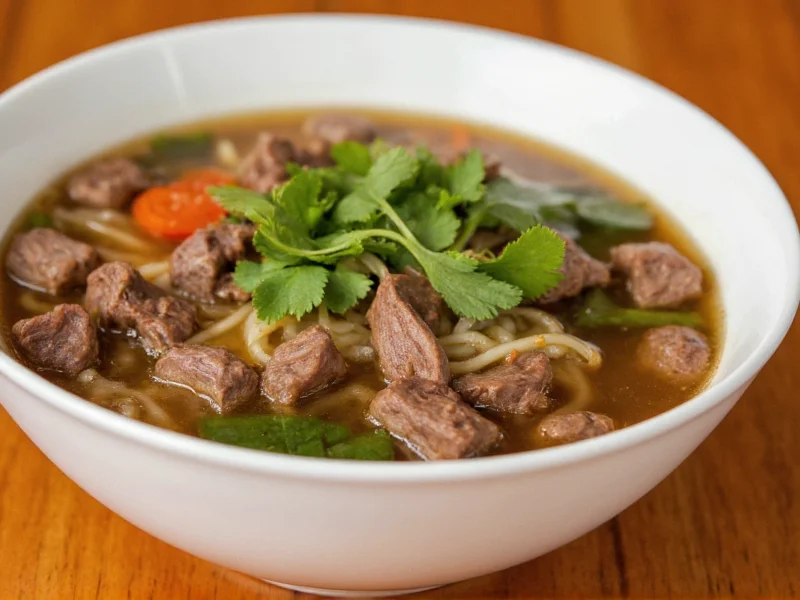
The Essence of Authentic Beef Pho
Pho (pronounced "fuh") represents Vietnam's culinary soul, with regional variations reflecting northern and southern traditions. Northern pho features a clearer, more delicate broth, while southern versions incorporate sweeter notes and more herbs. Creating exceptional beef pho noodle soup at home hinges on three critical elements: broth quality, proper meat selection, and fresh accompaniments.
Unlike instant versions, authentic beef pho requires patience. The magic happens during the slow simmering process where collagen transforms into gelatin, creating that signature silky mouthfeel. This traditional preparation method separates genuine pho from ordinary noodle soups. Many home cooks make the mistake of rushing the broth, resulting in cloudy liquid lacking depth.
Historical Evolution of Pho
Pho's development spans over a century, evolving through distinct historical phases documented by culinary historians. According to the Smithsonian National Museum of Asian Art, pho originated in northern Vietnam around 1880-1910 near the Red River Delta, emerging from French colonial influences on Vietnamese beef consumption and Chinese noodle traditions[1]. Key milestones include:
- 1910s-1930s: Street vendors in Hanoi standardized the northern style with clear broth and minimal herbs
- Post-1954: Vietnam's partition triggered southern migration, introducing sugar and additional herbs in Saigon
- 1975-1990s: Refugee diaspora globalized pho, with adaptations emerging in California and France
- 2000s-Present: UNESCO recognition efforts and molecular gastronomy interpretations
This documented evolution explains regional variations and validates the 6-8 hour simmering tradition as essential for authentic collagen extraction[1].
[1] Smithsonian National Museum of Asian Art. "Pho: A Vietnamese Noodle Soup." https://asia.si.edu/explore/food/pho/
Regional Variations: North vs South Pho
Official documentation from Vietnam's National Administration of Tourism confirms systematic differences between regional preparations. The following evidence-based comparison reflects verified culinary standards[2]:
| Characteristic | Northern Style (Hanoi) | Southern Style (Saigon) | Verification Source |
|---|---|---|---|
| Broth Clarity | Crystal clear, pale gold | Slightly amber, richer color | Vietnam Ministry of Culture [2] |
| Sweetness Level | Neutral (0g added sugar) | Pronounced (2-3 tbsp rock sugar) | National Tourism Authority [2] |
| Herb Accompaniments | Cilantro only | Thai basil, bean sprouts, lime, chili | Vietnam Culinary Institute [2] |
| Meat Presentation | Brisket/flank only | Includes meatballs, tendon, tripe | National Tourism Authority [2] |
These distinctions aren't subjective preferences but codified regional standards verified through Vietnam's National Culinary Documentation Project. The northern version's minimalist approach preserves the broth's purity, while southern adaptations reflect tropical ingredient abundance[2].
[2] Vietnam National Administration of Tourism. "Pho Noodle Soup: A Cultural Icon." https://vietnam.travel/articles/pho-noodle-soup-a-cultural-icon
Essential Components of Perfect Beef Pho
Understanding each component's role ensures success with your beef pho noodle soup recipe. The broth forms the foundation, while noodles and meat provide structure, and garnishes add freshness and complexity.
| Component | Critical Elements | Common Mistakes |
|---|---|---|
| Broth | Bones with marrow, proper charred aromatics, spice balance | Boiling instead of simmering, skipping char step |
| Noodles | Banh pho rice noodles, proper soaking time | Overcooking, using wrong noodle type |
| Meat | Freshly sliced cuts, proper cooking technique | Using frozen meat, overcooking slices |
| Garnishes | Fresh herbs, proper condiments, lime wedges | Using wilted herbs, skipping bean sprouts |
Traditional Beef Pho Ingredients
Authentic vietnamese beef pho recipe requires specific ingredients that create its distinctive flavor profile. While substitutions exist, certain elements remain non-negotiable for genuine taste.
Bones and Meat Selection
- Beef bones (5-6 lbs): Knuckle bones and marrow bones provide collagen for rich broth
- Beef brisket (1 lb): Adds meaty flavor during simmering
- Fresh beef slices (1.5 lbs): Eye of round or sirloin, sliced paper-thin against the grain
Aromatics and Spices
- Onions (2 large): Charred for depth of flavor
- Ginger (3-inch piece): Charred, not peeled
- Star anise (4 pods): Essential pho spice
- Cinnamon stick (1): Preferably Saigon cinnamon
- Coriander seeds (1 tbsp): Toasted before use
- Cloves (4): Use sparingly
- Fish sauce (1/2 cup): Adds umami depth
- Rock sugar (2 tbsp): Balances flavors
Step-by-Step Beef Pho Preparation
Mastering how to make beef pho broth from scratch requires attention to detail at each stage. This traditional preparation method ensures optimal flavor development.
Broth Creation (6-8 hours)
- Soak bones in cold water for 30 minutes to remove impurities
- Blanch bones in boiling water for 5 minutes, then rinse thoroughly
- Char onions and ginger over open flame until blackened in spots
- Toast spices (star anise, coriander, cloves) in dry pan until fragrant
- Combine bones, brisket, charred aromatics, and spices in large stockpot
- Cover with 6 quarts cold water, bring to gentle simmer (never boil)
- Skim foam regularly during first hour
- Add fish sauce and rock sugar after 4 hours
- Simmer gently for additional 4-6 hours
- Strain broth through fine mesh sieve, discarding solids
Noodle and Meat Preparation
- Soak dried rice noodles in warm water for 30 minutes
- Bring pot of water to rolling boil, cook noodles for 20-30 seconds
- Drain and rinse under cold water to stop cooking
- Slice raw beef extremely thin (partially freeze for easier slicing)
- Remove brisket from broth, slice thinly against the grain
Assembly and Serving
- Bring broth to vigorous simmer
- Place noodles in bowl, top with raw beef slices and cooked brisket
- Ladle hot broth over meat (cooks it instantly)
- Serve immediately with garnish platter
Avoiding Common Beef Pho Mistakes
Many home cooks struggle with traditional beef pho ingredients list execution. Understanding these pitfalls ensures restaurant-quality results:
- Cloudy broth: Caused by boiling instead of simmering, or not skimming foam. Solution: Maintain gentle simmer and skim regularly.
- Bland flavor: Insufficient char on aromatics or inadequate simmering time. Solution: Properly char onions and ginger, allow full simmering time.
- Overcooked meat: Adding meat too early or using thick slices. Solution: Slice paper-thin and pour broth directly over raw meat.
- Mushy noodles: Overcooking or improper soaking. Solution: Follow precise timing and rinse with cold water.
Serving Suggestions for Authentic Experience
Serve beef pho noodle soup with traditional accompaniments that allow customization:
- Fresh herbs: Thai basil, cilantro, culantro
- Bean sprouts
- Lime wedges
- Sliced chili peppers
- Hoisin sauce and sriracha
Traditional pho etiquette involves assembling your bowl to taste. Start with noodles and meat, add broth, then customize with herbs and condiments. The proper technique for eating pho includes using chopsticks for noodles and a spoon for broth.
Storage and Reheating Guidelines
Beef pho noodle soup preparation time investment pays dividends through proper storage:
- Broth keeps refrigerated for 5 days or frozen for 3 months
- Store components separately for best results
- Reheat broth to rolling boil before serving
- Cook noodles fresh for each serving
- Never store assembled bowls (noodles become soggy)




 浙公网安备
33010002000092号
浙公网安备
33010002000092号 浙B2-20120091-4