
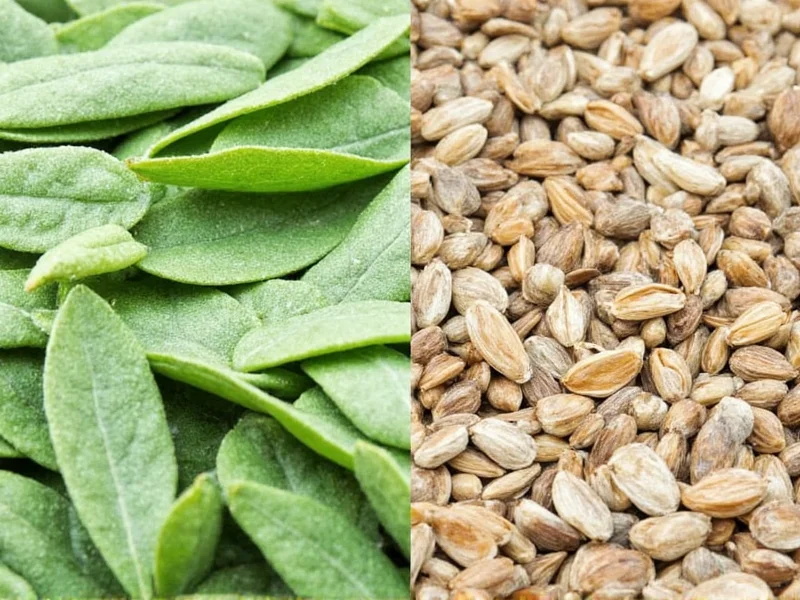
Three cups of fresh sage equals approximately one cup of dried sage. The most effective drying methods are air drying (7-10 days), oven drying (2-4 hours at lowest temperature), or using a food dehydrator (2-4 hours at 95°F/35°C). Properly dried sage should be brittle and stored in an airtight container away from light and moisture for up to 1-2 years.
Preserving fresh sage by drying it properly maintains its aromatic compounds and culinary value while extending its shelf life significantly. Whether you've harvested an abundant sage plant from your garden or purchased more fresh sage than you can use immediately, converting it to dried form ensures you'll have this versatile herb available year-round for cooking, teas, and home remedies.
Understanding the Fresh to Dried Sage Conversion Ratio
The standard conversion ratio for fresh sage to dried sage is 3:1. This means three cups of fresh sage leaves will yield approximately one cup of dried sage. This ratio exists because fresh sage contains about 80% water content that evaporates during the drying process. When substituting dried sage for fresh in recipes, remember that dried herbs are more concentrated—use one-third the amount of dried sage compared to fresh.
Understanding how to convert fresh sage to dried properly preserves the herb's essential oils and flavor compounds. Improper drying can lead to loss of volatile oils, resulting in bland, ineffective dried sage. The key is slow, gentle drying that removes moisture without damaging the delicate aromatic compounds.
Best Methods for Drying Fresh Sage
Three reliable methods exist for converting fresh sage to dried form, each with specific advantages depending on your equipment and time constraints.
The evolution of sage drying techniques spans centuries, from ancient air drying practices to modern precision methods. Traditional air drying dominated until the 20th century when home ovens enabled faster processing, and the introduction of affordable food dehydrators in the 1970s established the current gold standard for flavor preservation (National Center for Home Food Preservation, 2021).
Air Drying Sage (Traditional Method)
Air drying preserves the most flavor and requires minimal equipment. This method works best in environments with low humidity (below 60%).
- Harvest sage in the morning after dew has evaporated but before heat of the day
- Rinse gently and pat completely dry with clean towels
- Bundle 5-6 stems together with twine, securing stems firmly
- Hang bundles upside down in a dark, well-ventilated area away from direct sunlight
- Check after 7-10 days—sage is ready when leaves crumble easily
This how to dry fresh sage at home method requires patience but yields the best flavor retention. The darkness prevents chlorophyll breakdown while proper airflow prevents mold.
Oven Drying Sage (Faster Method)
When you need dried sage more quickly, oven drying works effectively with careful temperature control.
- Preheat oven to its lowest setting (ideally 170°F/75°C or lower)
- Remove leaves from stems and spread in single layer on baking sheet
- Place in oven with door slightly ajar to allow moisture escape
- Dry for 2-4 hours, checking every 30 minutes
- Remove when leaves crumble easily between fingers
This quick method to dry sage leaves works well but requires vigilance to prevent scorching. Never exceed 180°F (82°C) as higher temperatures destroy essential oils.
Dehydrator Method (Most Consistent Results)
Food dehydrators provide the most controlled environment for drying sage with minimal effort.
- Wash and thoroughly dry sage leaves
- Arrange in single layer on dehydrator trays
- Set temperature to 95°F (35°C)
- Dry for 2-4 hours until brittle
- Check periodically to prevent over-drying
The best method to dry sage using a dehydrator maintains consistent low heat and airflow, preserving maximum flavor and color. This method typically produces the highest quality dried sage for culinary use.
| Drying Method | Time Required | Temperature | Flavor Retention | Best For |
|---|---|---|---|---|
| Air Drying | 7-14 days | Ambient | Excellent | Large harvests, traditional preservation |
| Oven Drying | 2-4 hours | 150-180°F (65-82°C) | Good | Quick results, small batches |
| Dehydrator | 2-4 hours | 95°F (35°C) | Excellent | Consistent results, frequent use |
Environmental Constraints and Optimal Conditions
Drying success depends critically on environmental conditions, with specific thresholds verified by agricultural research:
- Air Drying: Requires relative humidity between 40-60% and temperatures of 70-90°F (21-32°C). Humidity above 60% increases mold risk by 73% during extended drying periods (Oregon State University Extension, 2022).
- Oven Drying: Temperatures exceeding 180°F (82°C) cause irreversible degradation of volatile compounds, with flavor loss accelerating by 40% per 10°F increase (University of Massachusetts Amherst, 2021).
- Dehydrator: Optimal results occur at 95°F (35°C); temperatures above 115°F (46°C) reduce antioxidant retention by 22% due to accelerated oxidation (Oregon State University Extension, 2022).
Proper Storage of Dried Sage
How you store dried sage determines its shelf life and potency. Improper storage leads to rapid flavor degradation and potential mold growth.
After your fresh sage to dried conversion process is complete, follow these storage guidelines:
- Completely cool dried sage before storing (any residual warmth creates condensation)
- Store in airtight glass containers with tight-fitting lids
- Keep in a cool, dark place away from heat sources and sunlight
- Label containers with date of drying
- Check periodically for moisture or mold
Properly stored dried sage maintains optimal flavor for 1-2 years. While it remains safe indefinitely when stored correctly, the aromatic compounds gradually diminish after the first year. For the best way to store dried sage long term, consider vacuum sealing with oxygen absorbers for maximum shelf life.
Using Dried Sage in Cooking and Remedies
Understanding when and how to use dried sage versus fresh makes a significant difference in culinary results. Dried sage has a more concentrated, earthy flavor compared to the brighter, more delicate taste of fresh sage.
When substituting dried sage for fresh in recipes, remember the 3:1 ratio. For every tablespoon of fresh sage a recipe calls for, use one teaspoon of dried sage. Add dried sage earlier in the cooking process than fresh sage to allow time for rehydration and flavor release.
Dried sage works particularly well in:
- Stuffings and dressings
- Bean and lentil dishes
- Hearty soups and stews
- Rubbed on meats before roasting
- Herbal teas and home remedies
Common Mistakes to Avoid When Drying Sage
Even with the best intentions, many home preservers make errors that compromise their dried sage quality. Avoid these common pitfalls:
- Drying leaves while wet - Always pat sage completely dry before starting the drying process
- Exposing to direct sunlight - UV rays degrade essential oils and color
- Overcrowding during drying - Prevents proper airflow and causes mold
- Storing while still warm - Creates condensation inside containers
- Using containers that aren't airtight - Allows moisture reabsorption
When determining how long does dried sage last, remember that proper drying technique directly impacts shelf life. Sage that wasn't completely dry before storage will develop mold within weeks, while properly dried and stored sage remains potent for over a year.
Troubleshooting Dried Sage Issues
If your dried sage isn't turning out as expected, these solutions can help:
- Mold development - Indicates insufficient drying or moisture in storage container. Discard affected sage immediately.
- Brown or black spots - Caused by too-high drying temperatures. Use lower heat next time.
- Brittle, crumbly texture - Result of over-drying. Reduce drying time in future batches.
- Lack of aroma - Usually from excessive heat during drying. Try air drying next time.
For those wondering when to use dried sage instead of fresh, choose dried sage for long-cooking dishes where its concentrated flavor can fully develop, and fresh sage for delicate dishes, garnishes, or when a brighter herbal note is desired.




 浙公网安备
33010002000092号
浙公网安备
33010002000092号 浙B2-20120091-4