
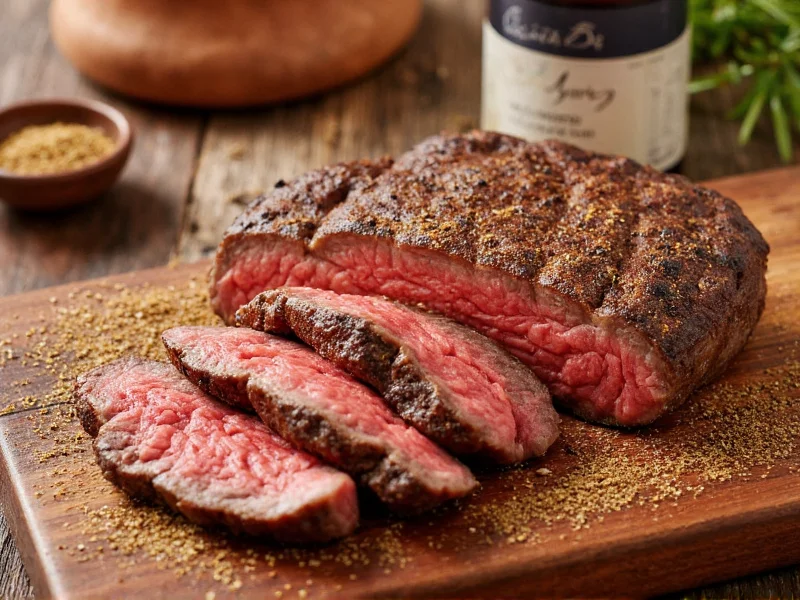
Originating in the steak houses of Montreal, Quebec, this now-famous seasoning blend has become a staple in kitchens worldwide. The unique combination of spices creates that signature crust beloved by steak enthusiasts, with each ingredient playing a specific role in developing complex flavors during the cooking process.
Understanding Montreal Steak Seasoning Composition
While commercial blends vary slightly between brands, authentic Montreal steak seasoning maintains a consistent core formula that delivers its characteristic flavor profile. The magic happens when these ingredients interact with meat proteins during high-heat cooking, creating that irresistible crust through the Maillard reaction.
Core Ingredients Breakdown
The standard Montreal steak seasoning formula includes these essential components in varying proportions:
| Ingredient | Typical Percentage | Flavor Contribution |
|---|---|---|
| Coarse Black Pepper | 25-35% | Provides sharp heat and pungency that forms the seasoning's backbone |
| Salt | 20-30% | Enhances overall flavor and helps draw moisture to the surface for better crust formation |
| Garlic Powder | 10-15% | Offers savory umami notes without burning like fresh garlic would |
| Onion Powder | 8-12% | Adds sweetness and depth to complement the garlic |
| Red Pepper Flakes | 5-10% | Contributes moderate heat that builds gradually |
| Coriander | 5-8% | Provides citrusy notes that balance the heat and saltiness |
| Paprika | 3-7% | Offers color and subtle sweetness in many commercial blends |
Historical Context and Regional Variations
The origins of Montreal steak seasoning trace back to Montreal's Jewish delis in the 1940s-1950s, particularly Schwartz's smoked meat establishment. Kitchen staff reportedly began using the same curing spices on steaks, creating an instant sensation. Unlike Chicago or other regional steak seasonings, Montreal's version features more pronounced garlic and coriander notes with less emphasis on herbs like thyme or rosemary.
When examining commercial Montreal steak seasoning ingredients lists, you'll notice subtle differences between brands. Some premium versions include additional ingredients like:
- Mustard seed (for tanginess)
- Dill seed (for herbal complexity)
- Celery seed (for earthy notes)
- Crushed peppercorns (for varied heat levels)
Creating Authentic Homemade Montreal Steak Seasoning
Recreating this popular blend at home allows for customization while avoiding potential additives found in commercial versions. Here's a reliable recipe that captures the essence of traditional Montreal steak seasoning:
Homemade Montreal Steak Seasoning Recipe
Yields: Approximately 1 cup
Prep time: 5 minutes
- ¼ cup coarse black pepper (freshly cracked preferred)
- 3 tablespoons kosher salt
- 2 tablespoons garlic powder
- 1½ tablespoons onion powder
- 1 tablespoon crushed red pepper flakes
- 1 tablespoon ground coriander
- 1½ teaspoons paprika (smoked or sweet)
- ½ teaspoon ground white pepper (optional for additional heat)
Instructions:
- Combine all ingredients in a small bowl
- Mix thoroughly until evenly distributed
- Store in an airtight container away from light and heat
- Shake well before each use as ingredients may settle
This homemade Montreal steak spice blend will maintain optimal flavor for 3-4 months when stored properly. For best results, apply generously to room-temperature steaks at least 45 minutes before cooking to allow the salt to penetrate and begin the flavor development process.
Practical Application Tips
Understanding what's in Montreal steak seasoning helps optimize its use. The coarse texture serves a specific purpose - it creates that desirable crust when seared at high temperatures. Unlike finer rubs that might burn, the larger pepper and salt crystals withstand the heat while slowly releasing flavor.
For perfect results when using Montreal steak seasoning ingredients:
- Pat steaks completely dry before applying the seasoning
- Use approximately 1 tablespoon per 8-ounce steak
- Press the seasoning gently into the meat surface
- Allow 30-60 minutes for the salt to work its magic before cooking
- Reserve additional seasoning for finishing after cooking if desired
Ingredient Substitutions and Customizations
When exploring what's in Montreal steak seasoning, you might want to adjust the blend to suit dietary needs or preferences. Here are some thoughtful modifications:
- Sodium reduction: Replace half the salt with mushroom powder for umami without sodium
- Extra heat: Increase red pepper flakes by 50% or add a pinch of cayenne
- Smoky variation: Substitute smoked paprika for regular paprika
- Garlic sensitivity: Reduce garlic powder by half and increase coriander
- Sweetness balance: Add ½ teaspoon of light brown sugar for caramelization
These adjustments maintain the essential character of authentic Montreal steak seasoning while accommodating different taste preferences or dietary requirements.
Commercial Product Analysis
When examining Montreal steak seasoning ingredients across popular brands, you'll notice most follow the traditional formula but with minor variations. Some mass-market versions include anti-caking agents like silicon dioxide or calcium silicate, while premium brands often stick to pure spice blends.
Reading commercial Montreal steak seasoning ingredients labels reveals:
- McCormick's version includes citric acid as a preservative
- Williams-Sonoma's blend adds mustard seed for complexity
- Spice Islands version contains natural flavors
- Many restaurant-style blends include crushed peppercorns for texture variation
For those seeking the most authentic Montreal steak seasoning ingredients experience, look for blends with minimal ingredients and no artificial additives. The simplicity of the original formula is part of what makes it so effective.
Flavor Science Behind the Blend
The effectiveness of Montreal steak seasoning comes from how its components interact chemically during cooking. The coarse salt draws moisture to the surface, which then evaporates during searing, leaving behind concentrated flavors. Meanwhile, the garlic and onion powders undergo chemical transformations that create new flavor compounds when exposed to high heat.
Coriander's linalool content provides a citrusy note that balances the heat from the pepper, while the red pepper flakes release capsaicin gradually rather than all at once. This creates a seasoning that delivers immediate flavor impact with developing complexity as you eat.
Storage and Shelf Life Considerations
Understanding Montreal steak seasoning ingredients helps determine proper storage. Whole spices maintain freshness longer than ground versions, but once combined in a blend, the shelf life depends on the most volatile component.
For optimal flavor retention:
- Store in an airtight container away from light and heat
- Use within 3-4 months for peak flavor (though safe indefinitely)
- Avoid storing near the stove where heat and moisture fluctuate
- Consider making smaller batches more frequently for best results
The volatile oils in black pepper and coriander degrade first, followed by the garlic and onion powders. When your Montreal steak seasoning ingredients no longer produce a strong aroma when opened, it's time to refresh your supply.
Global Variations and Adaptations
While traditional Montreal steak seasoning ingredients remain consistent, chefs worldwide have adapted the formula to suit local palates. In Japan, some versions incorporate sansho pepper for citrusy heat. Australian blends sometimes include lemon myrtle for additional brightness. These variations maintain the core identity while adding regional character.
When exploring Montreal steak seasoning ingredients globally, you'll find:
- European versions often reduce the heat level
- Asian adaptations might include star anise or Szechuan pepper
- Middle Eastern interpretations sometimes add sumac for tartness
- South American versions occasionally incorporate ají amarillo
These creative adaptations demonstrate the versatility of the basic Montreal steak seasoning formula while respecting its essential character.
Common misconceptions about Montreal steak seasoning
Several myths persist about what's in Montreal steak seasoning. Contrary to popular belief, the original blend doesn't contain:
- MSG (monosodium glutamate)
- Any liquid ingredients
- Thyme or rosemary (common in other steak rubs)
- Sugar (though some modern variations include it)
The distinctive flavor comes entirely from the careful balance of dried spices without any secret ingredients. Understanding the actual Montreal steak seasoning ingredients helps cooks appreciate its elegant simplicity and master its application.
What's the difference between Montreal steak seasoning and regular steak seasoning?
Montreal steak seasoning features a distinctive blend with higher proportions of coarse black pepper, garlic powder, and coriander compared to standard steak seasonings. It typically contains less paprika and fewer herbs than many American steak rubs, creating a more pronounced savory, peppery profile with subtle citrus notes from the coriander.
Does Montreal steak seasoning contain MSG?
Traditional Montreal steak seasoning does not contain MSG. Authentic blends consist only of dried spices and salt. Some commercial versions may include it, so always check the ingredients list if you're avoiding MSG. The original Montreal deli blends relied solely on the natural umami from garlic and onion powders.
Can I use Montreal steak seasoning for dishes other than steak?
Absolutely. While designed for steak, Montreal steak seasoning works well with chicken, pork, roasted vegetables, potatoes, and even in marinades or salad dressings. Its balanced flavor profile enhances many savory dishes beyond just steak, making it a versatile kitchen staple for various cooking applications.
Why is it called Montreal steak seasoning?
The seasoning originated in Montreal, Quebec, Canada, specifically at Schwartz's smoked meat deli in the 1940s-1950s. Kitchen staff began using the same curing spices on steaks, creating an instant hit. The distinctive blend became associated with Montreal's steak houses and eventually gained international popularity under this name.
How much Montreal steak seasoning should I use per pound of meat?
For optimal results, use 1-2 tablespoons of Montreal steak seasoning per pound of meat. The coarse texture means it won't dissolve completely, creating that desirable crust. Apply generously and press it into the meat surface about 30-60 minutes before cooking to allow the salt to penetrate and begin flavor development.
Final Considerations for Perfect Results
Understanding what's in Montreal steak seasoning empowers you to use it more effectively. The coarse texture isn't just for show—it creates that signature crust when properly applied to room-temperature meat before high-heat cooking. Whether you're using a commercial blend or making your own homemade version, the key is applying it generously and allowing time for the salt to work its magic before cooking.
For those exploring Montreal steak seasoning ingredients in depth, remember that the simplicity of the formula is part of its brilliance. Each component serves a specific purpose in creating that perfect balance of heat, saltiness, and aromatic complexity that has made this Canadian creation a global favorite among steak enthusiasts.




 浙公网安备
33010002000092号
浙公网安备
33010002000092号 浙B2-20120091-4