
Tequila Lime Seasoning: 7 Wildly Unexpected Pairings That Will Make Your Taste Buds Dance
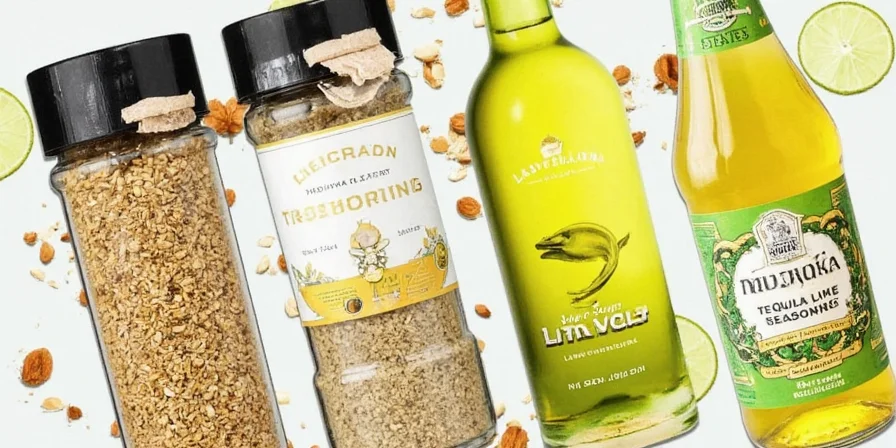
Table of Contents
- A Spirited Introduction to Tequila Lime Seasoning
- The 7 Unconventional Spice Pairings You Must Try
- The Science Behind the Flavor Fusion
- Pro Tips for Using Tequila Lime Seasoning Like a Chef
- Recipe Roundup: How to Put It All Together
- Frequently Asked Questions (FAQs)
- Conclusion: Shake, Stir, and Season Your Way to Culinary Glory
A Spirited Introduction to Tequila Lime Seasoning
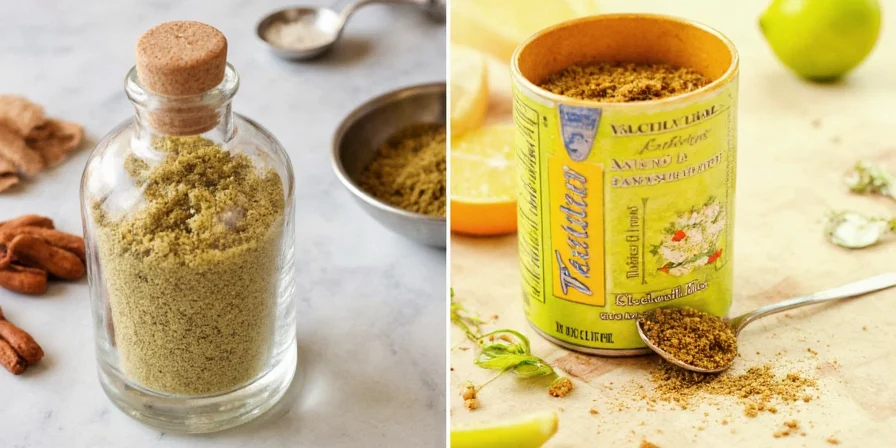
If you thought tequila was only good in a cocktail, think again. Tequila lime seasoning is making waves in kitchens from Mexico City to Brooklyn, blending the bold bite of agave with the zesty punch of lime. It’s spicy, it’s tangy, and it’s got enough flavor firepower to make even your grandma rethink her spice rack.
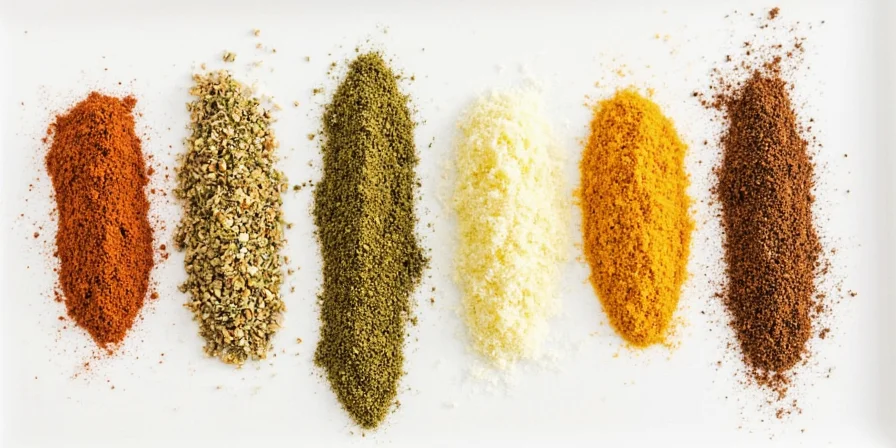
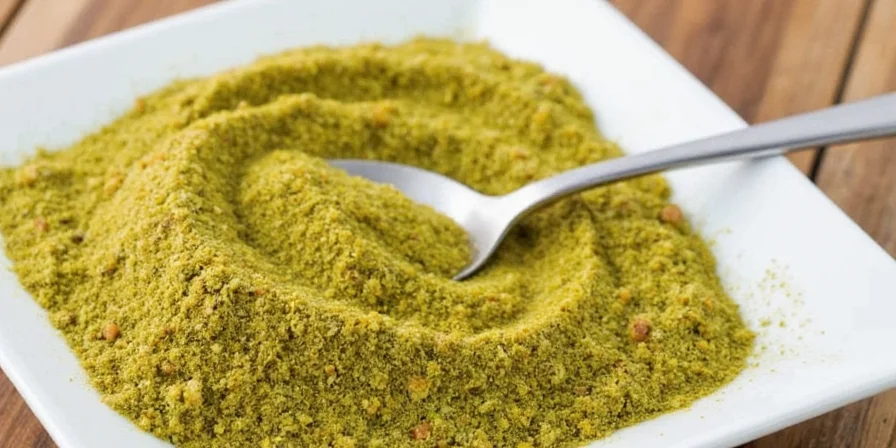
This seasoning typically combines dried lime zest, chili powder, salt, and sometimes a hint of smoked jalapeño or cilantro. But don’t be fooled — its uses go way beyond tacos. Let’s explore how this citrus-tinged powerhouse can jazz up everything from grilled veggies to dessert.
The 7 Unconventional Spice Pairings You Must Try
Forget the usual suspects like tortilla chips and grilled fish. We’re diving into the unexpected here. These pairings will take your dishes from "meh" to "me encanta." Ready to shake things up?
| Dish | Base Ingredient | Tequila Lime + X Flavor | Why It Works |
|---|---|---|---|
| Caramel Corn | Popped corn + sugar | + smoked paprika | Sweet meets heat, with a citrus twist that keeps you reaching for more |
| Grilled Peaches | Fresh peaches | + balsamic glaze | Lime cuts through richness while agave adds depth |
| Avocado Toast | Bread + avocado | + everything bagel seasoning | A morning flavor bomb that wakes you up better than coffee |
| Dark Chocolate | Cacao nibs or 70%+ chocolate | + sea salt & chili flakes | The trifecta of bitter, salty, and spicy with a refreshing citrus lift |
| Popcorn | Kernels + butter | + Parmesan cheese | Like movie theater popcorn got a vacation in Cancun |
| Grilled Zucchini | Zucchini slices | + lemon thyme | Summer vibes meet Mexican soul |
| Oatmeal | Oats + milk | + cinnamon & maple syrup | Wakes up breakfast without overpowering it |
The Science Behind the Flavor Fusion
Why does tequila lime seasoning work so well with such a diverse range of ingredients? The answer lies in the chemistry of taste and aroma. Here's the lowdown:
- Lime brings acidity and brightness, cutting through fats and enhancing other flavors
- Agave contributes natural sweetness that balances out bitterness and heat
- Chili adds capsaicin-induced heat, which triggers endorphin release — hello, flavor high!
When combined with other spices or ingredients, these elements create complex layers of flavor that stimulate multiple taste receptors at once. This multi-sensory stimulation makes food more memorable and enjoyable — kind of like adding surround sound to your meal.
Pro Tips for Using Tequila Lime Seasoning Like a Chef
Ready to sprinkle some magic dust into your meals? Here are our top pro tips for using tequila lime seasoning like a culinary rockstar:
- Taste as you go: A little goes a long way. Start with a light hand and build up if needed.
- Use it as a finishing touch: Sprinkle right before serving to preserve the freshness of the lime and heat of the chili.
- Store it smartly: Keep in an airtight container away from sunlight to maintain potency.
- Customize your blend: Adjust chili level, add cumin for smokiness, or toss in some dehydrated mango for a fruity kick.
- Pair with creamy textures: Think guac, avocado toast, sour cream, or hummus — the citrus lifts the richness beautifully.
Recipe Roundup: How to Put It All Together
Let’s turn theory into tasty reality. Here are three quick recipes that highlight the versatility of tequila lime seasoning:
- Tequila Lime Popcorn
Ingredients: ¼ cup popcorn kernels, 2 tbsp butter, 1 tsp tequila lime seasoning, ½ tsp Parmesan
Instructions: Pop the corn, melt butter over heat, stir in seasoning and Parmesan, then drizzle over popcorn and toss. - Smoky Peach Salsa
Ingredients: 2 ripe peaches, 1 red onion, 1 jalapeño, juice of 1 lime, 1 tsp tequila lime seasoning, chopped cilantro
Instructions: Dice peaches and onions, mince jalapeño, mix all ingredients, refrigerate for 30 minutes, and serve with tortilla chips or grilled chicken. - Chocolate-Covered Almonds with a Kick
Ingredients: 1 cup almonds, 4 oz dark chocolate, 1 tsp tequila lime seasoning
Instructions: Melt chocolate, dip each almond, sprinkle with seasoning, let cool on parchment paper.
Frequently Asked Questions (FAQs)
Can I make my own tequila lime seasoning at home?
Absolutely! Combine equal parts dried lime zest, chili powder, and coarse salt. Add a pinch of agave powder or sugar for that sweet edge.
How long does homemade tequila lime seasoning last?
Stored in an airtight container, it should keep for up to 6 months. Freshness fades over time, so label it with the date!
Is tequila lime seasoning spicy?
It depends on the brand or blend. Most have a mild to medium heat. If you're sensitive, start small or opt for a version with less chili.
Can I use it in baking?
You sure can! Try a pinch in brownies, muffins, or even a citrus cake. Just remember, balance is key — too much can overpower delicate flavors.
Conclusion: Shake, Stir, and Season Your Way to Culinary Glory
Who knew one little shaker could pack so much punch? Whether you’re a seasoned chef or a curious home cook, tequila lime seasoning opens the door to a world of creative cooking. From sweet to savory, grilled to raw, there’s practically no dish that can’t benefit from a playful dusting of this zesty blend.
So go ahead — experiment, taste, and most importantly, have fun with it. After all, food is meant to surprise, delight, and maybe even spark a tiny flavor party in your mouth. Now get out there and season like nobody’s watching… because they’ll be too busy licking their plates clean.




 浙公网安备
33010002000092号
浙公网安备
33010002000092号 浙B2-20120091-4