
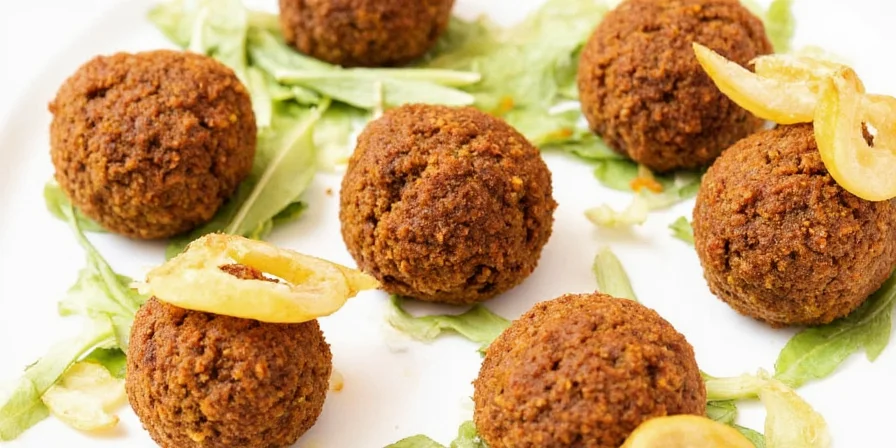
Spice Up Your Life: Innovative Ways to Jazz Up Spicy Falafel Balls
Why Spicy Falafel Balls Deserve More Than Just Cumin
Falafel traditionally relies on cumin and coriander as its aromatic backbone. But let’s be honest — when everyone uses the same spices, how do yours stand out?
"The secret to unforgettable falafel isn’t just in the crunch — it’s in the spice blend." — Chef Liu Wei
Here are some unconventional but mouthwatering pairings that will make your falafel the star of any mezze table:
The Top 7 Game-Changing Spice Combos for Spicy Falafel Balls
- Turmeric + Smoked Paprika: Earthy meets smoky heat.
- Szechuan Pepper + Lemon Zest: Tingling sensation with citrus kick.
- Sumac + Aleppo Pepper: Tartness meets slow burn.
- Cayenne + Caraway: A spicy, nutty explosion.
- Harissa Paste + Fennel Seeds: North African vibes with licorice undertones.
- Chili Flakes + Za’atar: Classic meets complex.
- Curry Powder + Coriander Leaves: East meets Middle East fusion magic.
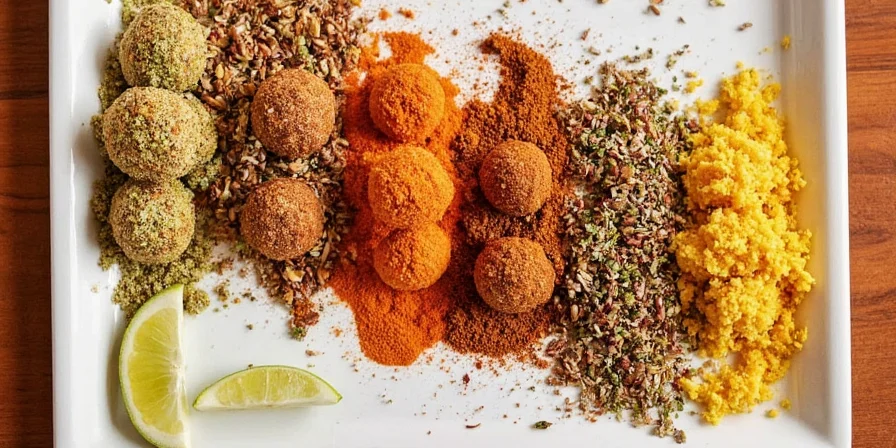
How to Incorporate These Spice Blends into Your Recipe
| Spice Combo | Usage Tips | Bonus Add-ins |
|---|---|---|
| Turmeric + Smoked Paprika | Mix with onion and garlic before blending. Great with roasted red peppers inside falafel. | Add a dash of lime juice to brighten up the flavor. |
| Szechuan Pepper + Lemon Zest | Toast Szechuan pepper first, then grind finely. Add zest right before shaping falafel balls. | A few chopped cilantro leaves add freshness. |
| Sumac + Aleppo Pepper | Blend sumac and pepper directly into the mixture. Best with added parsley or mint. | Try with yogurt tahini drizzle for balance. |
| Cayenne + Caraway | Use sparingly — both pack heat and bold flavor. Mix into dry ingredients before grinding. | Add diced green chilies for extra punch. |
| Harissa Paste + Fennel Seeds | Soak fennel seeds in warm water for 15 minutes before adding. Harissa can be mixed directly into wet ingredients. | Pair with orange blossom honey drizzle for contrast. |
Spice Science: Why These Pairings Work
Let’s geek out a bit here. When combining spices, it’s all about balancing flavors — sweet, sour, salty, bitter, umami, and of course, spicy.

- Contrast: Pairing tart sumac with mellow chickpeas creates a balanced bite.
- Layering: Toasted caraway adds depth, while cayenne provides top notes.
- Surprise Factor: Szechuan peppercorns create a tingling sensation that wakes up the palate.
Dip It, Dress It, Drizzle It — Serving Suggestions for Maximum Wow
Your new spice-packed falafel balls deserve equally exciting sides. Here are some must-try combos:
- Lemon-Tahini Sauce: Brightens up earthy spices like turmeric and cumin.
- Yogurt Dill Dip: Cools down heat from cayenne or Aleppo pepper.
- Harissa Aioli: Doubles down on bold flavors with harissa-based falafel.
- Pickled Vegetables: Adds tang and crunch — perfect with citrus-forward blends.
- Mango Chutney: Sweet and spicy, especially good with curry-infused falafel.
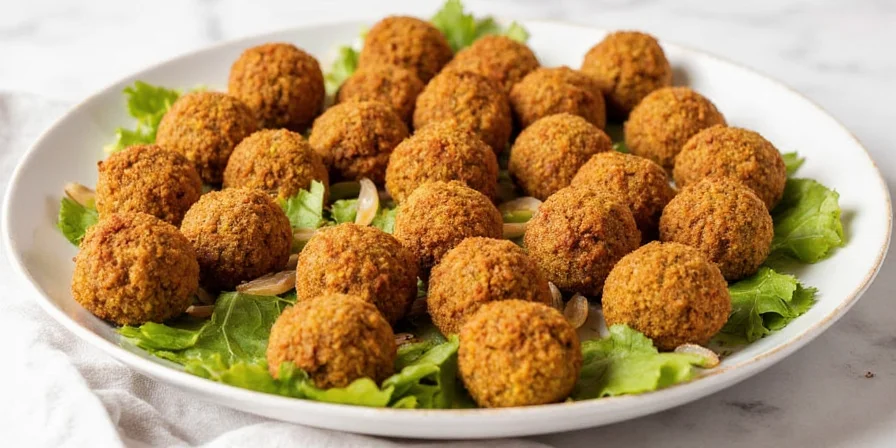
Common Pitfalls to Avoid When Using Spicy Blends in Falafel
Even the best spice combinations can go south if not handled correctly. Here are common mistakes to dodge:
- Overpowering base flavor: Don’t drown out the chickpea! Balance is key.
- Using too much salt: Many spice blends already contain sodium-heavy components like chili flakes or commercial curry powder.
- Skipping resting time: Let your falafel mixture chill for at least 30 minutes before frying for better texture and flavor absorption.
- Not testing the mix: Cook one test falafel first. Adjust seasoning before frying the whole batch.
- Using old spices: Fresh is best. If your spices smell faint or dusty, toss ’em.
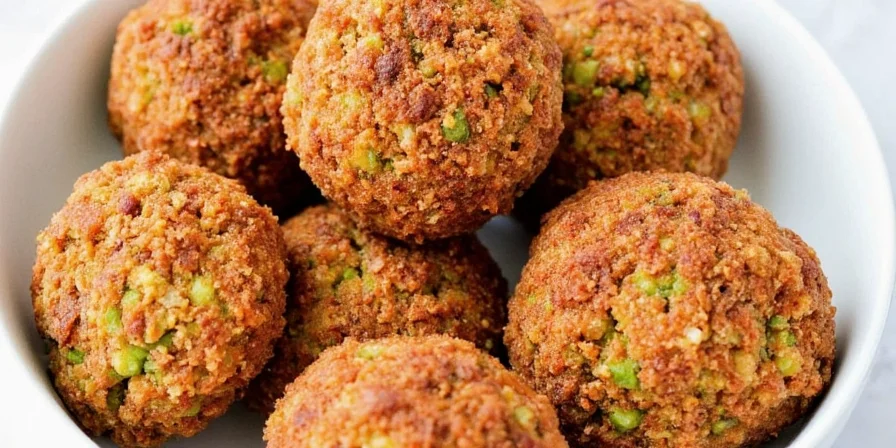
FAQ: Everything You’ve Ever Wanted to Know About Spicy Falafel Balls
Can I bake instead of fry falafel with these spice mixes? Yes! Baking works great, though the crust won't be quite as crisp. For spicier blends, reduce baking temperature slightly to avoid burning the spices. How long do spicy falafel keep? Best fresh, but they’ll last up to 2 days refrigerated. Reheat in oven for best results. Freeze uncooked balls for later use — just thaw and fry when ready! Can I use canned chickpeas? Absolutely, but drain and rinse well. Some prefer dried and soaked chickpeas for a drier, crisper result — especially important with moist spice pastes like harissa. What if the mixture is too wet? Add more breadcrumbs, crushed oats, or flour until it holds together when squeezed.Conclusion: Dare to Be Different with Your Falafel
Gone are the days when falafel meant just cumin and coriander. With these innovative spice pairings, your falafel game will be next-level — spicy, flavorful, and uniquely yours.
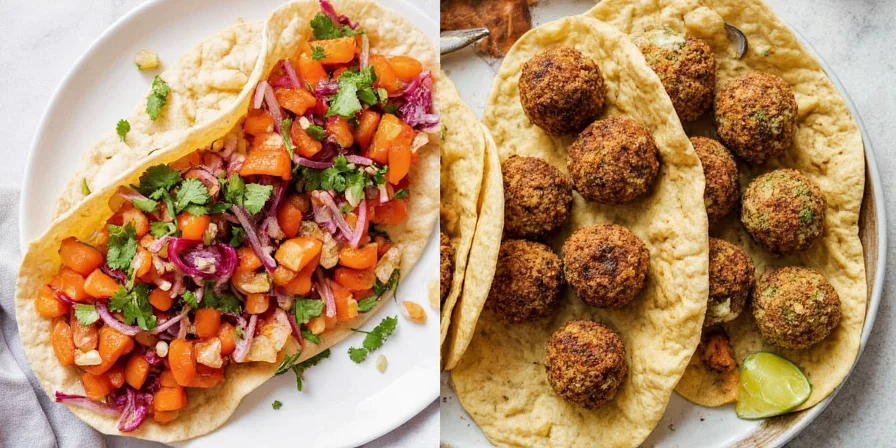
Remember: Cooking should be fun. So don’t be afraid to experiment. Tweak these spice combos, swap in your favorite flavors, and most importantly — enjoy every bite!




 浙公网安备
33010002000092号
浙公网安备
33010002000092号 浙B2-20120091-4