
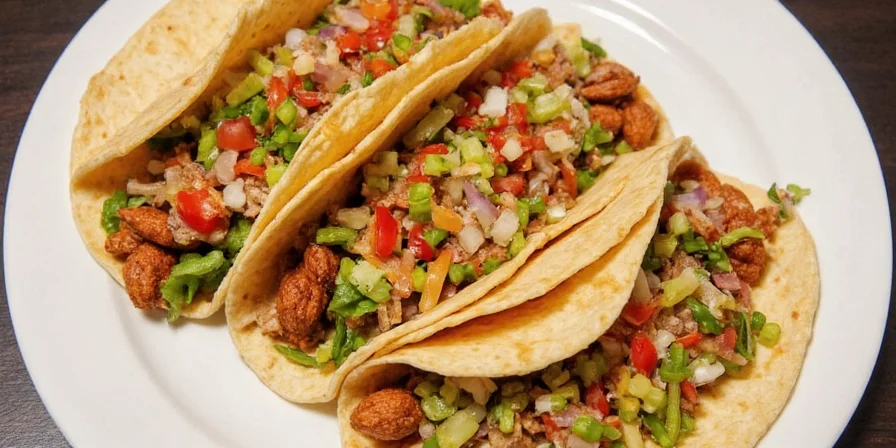
Smoky Secrets: 10 Genius Tips to Make Chipotle-Style Food at Home (No Taco Truck Required!)
Table of Contents
- Why Go Homemade When You Can Go Smoky?
- Tip #1: Know Your Chipotle – Dried, Canned, or DIY?
- Tip #2: The Base Matters – Building the Flavor Foundation
- Tip #3: Spice Pairing Hacks That’ll Blow Your Socks Off
- Tip #4: Smoke It Yourself – Like a Pro (Without the Pit)
- Tip #5: Marination Magic – Don’t Skip This Step!
- Tip #6: Sauce Smart – From Mild to Wild
- Tip #7: Rice, Beans & Beyond – Mastering the Sides
- Tip #8: Toppings Are Everything – Get Creative!
- Tip #9: Assembly Line Cooking – How to Speed Up the Process
- Tip #10: Storage & Reheating Like a Champion
- Conclusion: Make Every Day a Chipotle Day
Why Go Homemade When You Can Go Smoky?
Let’s be real for a second—Chipotle is delicious. But let’s also be honest: it can get pricey, and sometimes you just want that smoky goodness without waiting in line behind 17 other people who all ordered the same bowl.
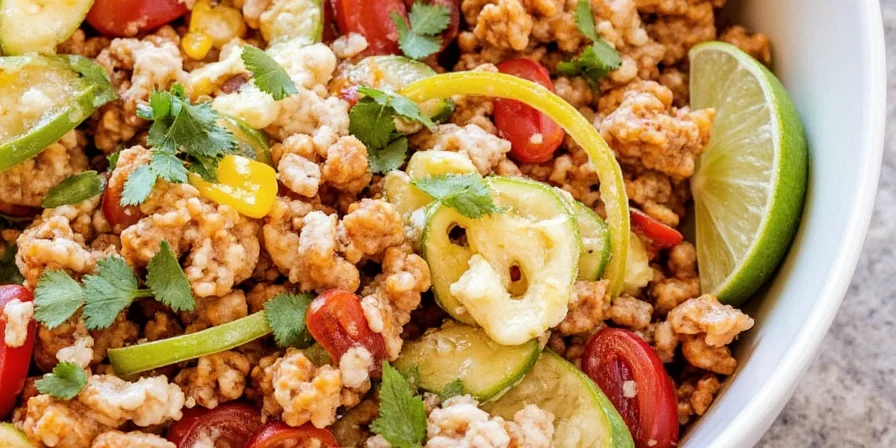
Luckily, making chipotle-style food at home isn't just possible—it's easy, fun, and totally customizable. With the right spices, techniques, and mindset, you can whip up your own flavorful, smoky masterpieces without ever leaving your kitchen.
Tip #1: Know Your Chipotle – Dried, Canned, or DIY?
First things first: not all chipotles are created equal. Here’s a quick breakdown:
| Type | Description | Pros | Cons |
|---|---|---|---|
| Dried Chipotle | Air-dried, smoked jalapeños | Long shelf life, super intense flavor | Need soaking/rehydration before use |
| Canned Chipotle in Adobo | Pickled in tangy sauce | Ready to use, bold flavor | Can be spicy for some palates |
| DIY Smoked Jalapeños | Make your own at home using a smoker or oven | Total control over heat & smoke level | Time-consuming, requires equipment |
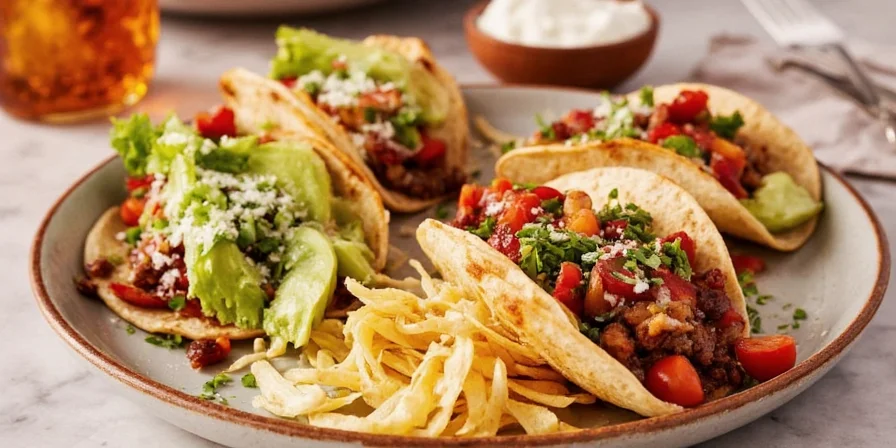
For most home cooks, starting with canned chipotle in adobo sauce is the easiest way to go. Just remember: a little goes a long way!
Tip #2: The Base Matters – Building the Flavor Foundation
If you’re going full Chipotle-style, your base ingredients will set the tone. Think of this as your culinary skeleton—without it, nothing stands tall.
- Onions: Use white onions—they have a sharper bite and hold up well in salsas and toppings.
- Garlic: Fresh cloves, minced or grated. A must for marinades and sauces.
- Cumin: Earthy, warm, and essential. Adds depth to everything from beans to meats.
- Olive Oil: Helps carry flavor and aids in browning meat or sautéing veggies.
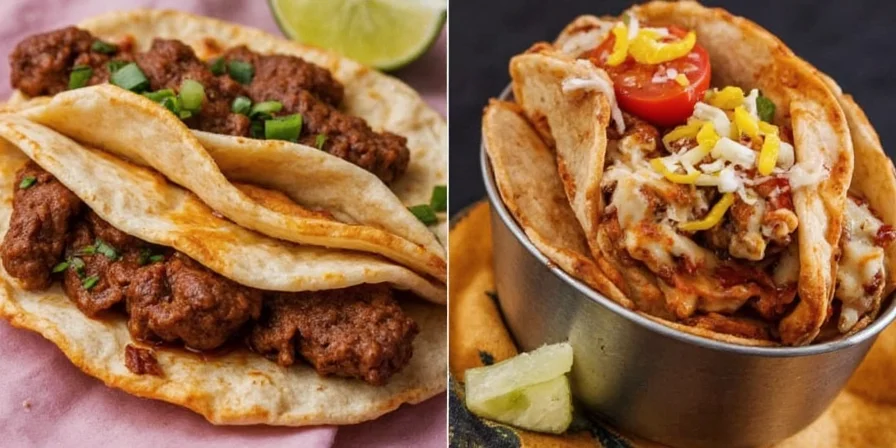
Combine these in a pan, let them dance together like old friends, and you’ve got yourself a solid start to any chipotle-inspired dish.
Tip #3: Spice Pairing Hacks That’ll Blow Your Socks Off
The magic of Chipotle lies in its unique blend of heat and smoke. To replicate that at home, consider pairing chipotle with these unexpected but oh-so-good spices:
| Spice | Flavor Profile | Best For |
|---|---|---|
| Smoked Paprika | Smokey, sweet, mild heat | Adding more depth without extra spice |
| Cinnamon | Warm, earthy, slightly sweet | Enhancing mole-like complexity |
| Coriander | Citrusy, floral, earthy | Bean seasonings, rice dishes |
| Ancho Chili Powder | Fruity, raisin-like, mild heat | Building layers in sauces and stews |
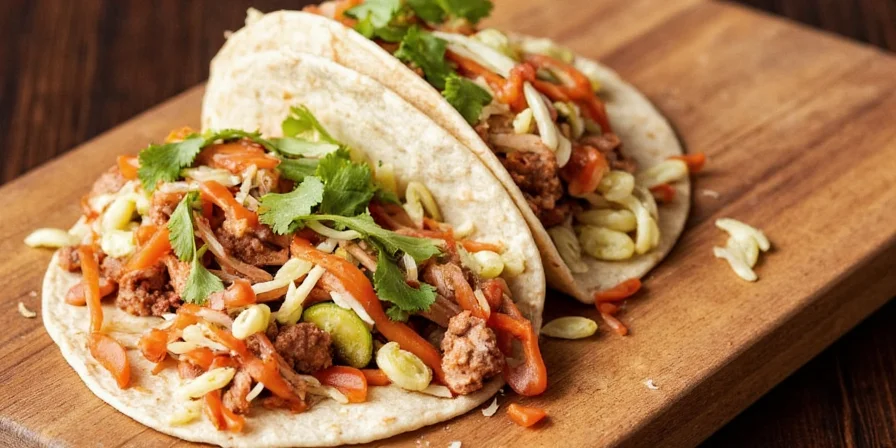
Pro tip: Try combining chipotle with a pinch of cinnamon in your next mole-inspired sauce—it adds an unexpected richness that'll leave your guests guessing.
Tip #4: Smoke It Yourself – Like a Pro (Without the Pit)
Real pit-smoked flavors are hard to beat—but if you don’t have access to a backyard smoker, don’t worry. You can fake it like a pro chef with these tricks:
- Smoke Gun: Great for infusing oils or directly smoking meats before cooking.
- Wood Chips + Oven: Soak wood chips in water, place in foil pouch with holes, and put under broiler while roasting meats or veggies.
- Liquid Smoke: A few drops go a long way. Add to marinades, sauces, or even bean pots.
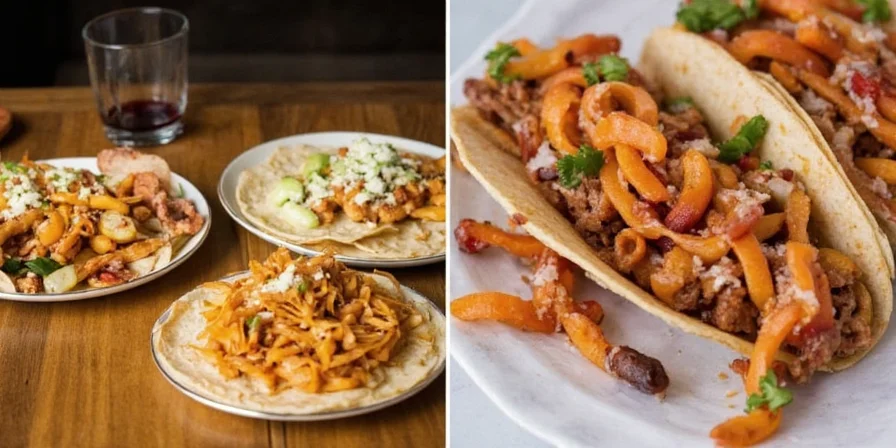
Use these techniques sparingly—you want to enhance the chipotle, not overpower it!
Tip #5: Marination Magic – Don’t Skip This Step!
Whether you're marinating chicken, steak, tofu, or mushrooms, this step is where the magic happens. A good marinade ensures deep flavor penetration and tender results.
Basic Chipotle Marinade Recipe
- 2 tbsp olive oil
- 2 tsp chipotle in adobo (adjust to taste)
- 1 clove garlic, minced
- 1 tsp cumin
- Juice of ½ lime
- Salt & pepper to taste
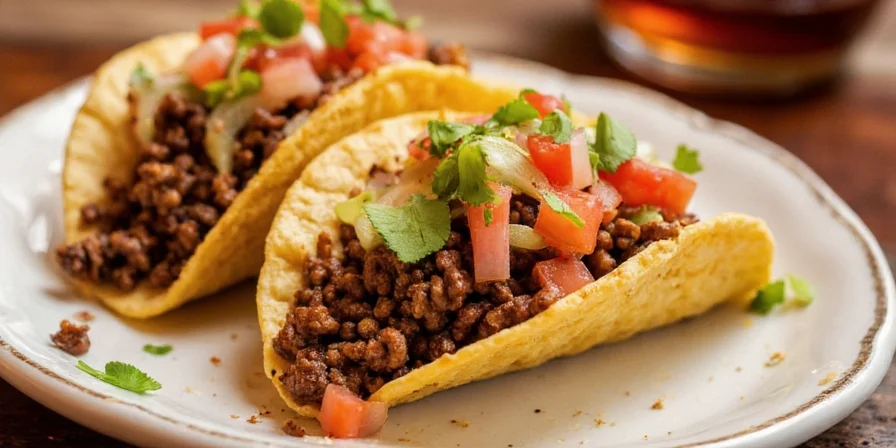
Toss your protein in the mix, cover, and refrigerate for at least 30 minutes—or ideally, overnight. The longer you marinate, the deeper the flavor.
Tip #6: Sauce Smart – From Mild to Wild
One of the best parts of Chipotle? The sauces. Making your own means no preservatives and total customization. Here are a few ideas:
- Classic Chipotle Crema: Blend sour cream with a spoonful of adobo sauce and a splash of lime juice.
- Avocado Lime Sauce: Mash avocado, add lime juice, cilantro, and a touch of chipotle puree.
- Tomatillo Green Salsa: Tangy and bright, perfect for balancing smokiness.
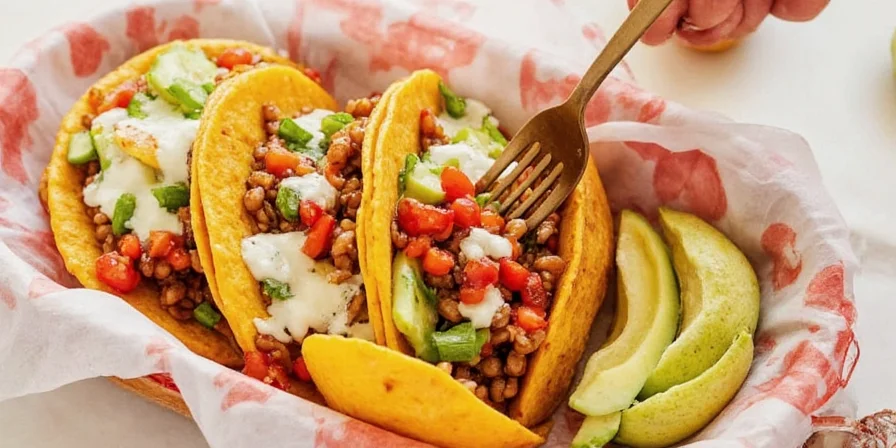
Don’t forget to label your sauces so everyone knows what they’re getting into—especially if you like to play with fire.
Tip #7: Rice, Beans & Beyond – Mastering the Sides
No Chipotle meal is complete without those hearty sides. Here’s how to ace each one:
Rice
- Toast the rice in oil before adding broth—this gives it that nutty, aromatic quality.
- Add a bit of chipotle-infused tomato sauce or a sprinkle of cumin for flair.
Beans
- Start with pinto or black beans from scratch or canned.
- Simmer with onion, garlic, epazote (if available), and a dash of chipotle powder until thickened.
- Mash part of the beans for creamier texture without added fat.
Tip #8: Toppings Are Everything – Get Creative!
Now’s your chance to show off. Toppings add crunch, brightness, and personality to your homemade Chipotle creations.
Essentials:
- Chopped cilantro
- Lime wedges
- Red onion slices
- Guacamole or sliced avocado
- Cheese (optional)
Fancy Add-Ons:
- Grilled corn kernels
- Pico de gallo with mango twist
- Toasted pumpkin seeds
- Pickled jalapeños or carrots
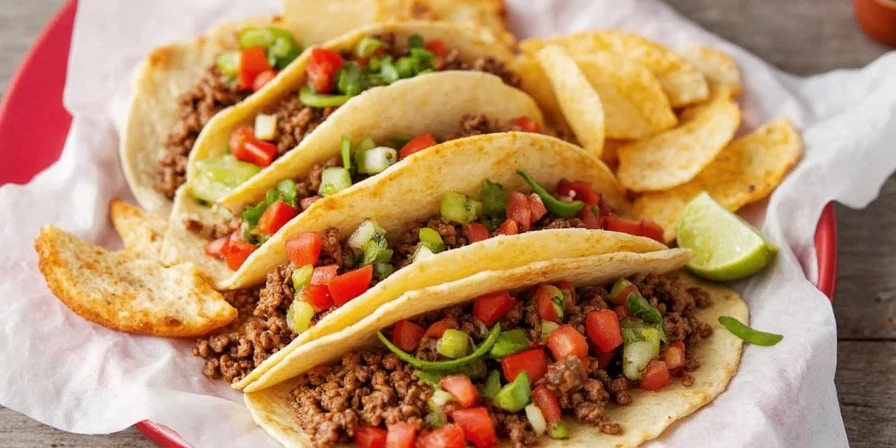
Arrange your toppings in small bowls and let everyone build their own masterpiece. It’s like a party on a plate!
Tip #9: Assembly Line Cooking – How to Speed Up the Process
If you're feeding a family or hosting friends, prepping everything in stages makes life easier—and tastier.
- Stage 1: Prep – Chop veggies, mince garlic, open cans, measure spices.
- Stage 2: Cook – Start the beans, rice, and marinated proteins simultaneously.
- Stage 3: Assemble – Lay out everything on a serving board or table and let people serve themselves.
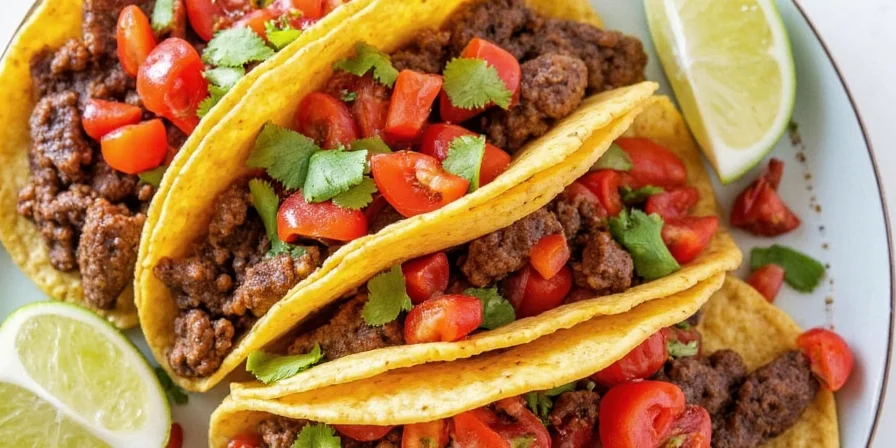
This method keeps everything fresh, minimizes wait time, and turns dinner into a communal experience.
Tip #10: Storage & Reheating Like a Champion
Leftovers are a blessing when done right. Follow these tips to keep your Chipotle creations tasting fresh:
- Storage: Store rice and beans separately to avoid sogginess.
- Reheating: Microwave with a splash of water or broth to retain moisture. Skillet reheating adds a nice sear back to proteins.
- Freezing: Freeze cooked beans, rice, or sauces in portions for future meals.
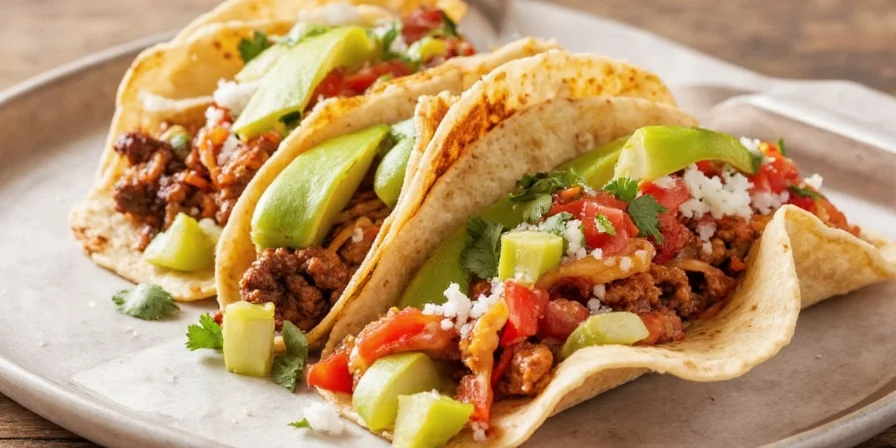
And guess what? These leftovers often taste even better the next day—flavors have more time to mingle and marry. Romantic, right?
Conclusion: Make Every Day a Chipotle Day
So there you have it—a roadmap to recreating that beloved Chipotle flavor profile in your very own kitchen. From choosing the right chipotle type to mastering marinades and sauces, every step brings you closer to that smoky, spicy bliss we all crave.
Remember, cooking at home is about experimenting, enjoying, and sharing. So throw on your apron, grab a wooden spoon, and turn your kitchen into your own personal taco bar.
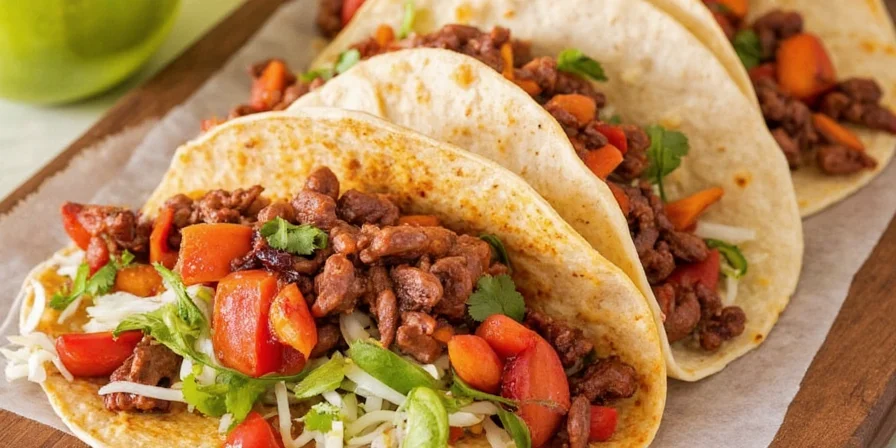
Who needs a restaurant when you've got chipotle magic at your fingertips?




 浙公网安备
33010002000092号
浙公网安备
33010002000092号 浙B2-20120091-4