
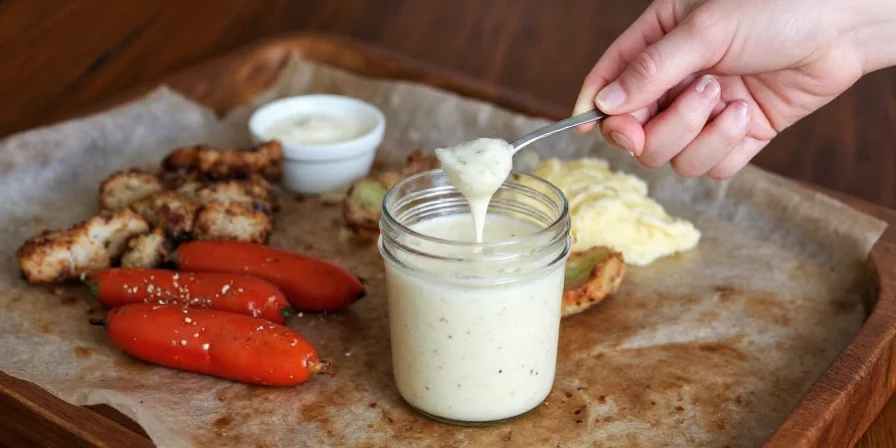
Buttermilk Marinades: A Creamy Twist to Spice Up Your Grilled Dishes
Have you ever wondered why your grilled chicken or lamb lacks that juicy tenderness and flavor punch? Maybe it’s time to step away from the vinegar and lemon juice marinades and try something richer — like buttermilk. Yes, that slightly tangy dairy staple can transform your marinades into tenderizing superstars while playing host to a wild party of spices.
Why Buttermilk Is the Unsung Hero of Marinades
Before we dive into spice pairings and recipes, let’s talk about why buttermilk is such a powerful ingredient in marinades:
- Natural Tenderizer: Unlike acidic marinades (like citrus or vinegar), which can sometimes dry out meat if left too long, buttermilk gently breaks down proteins without compromising texture. The lactic acid works slowly and effectively.
- Flavor Carrier: Buttermilk’s creamy consistency holds onto spices better than watery liquids, allowing for deeper flavor penetration.
- Mild Acidity: Its gentle acidity helps seasonings stick and mingle, creating a balanced flavor profile rather than overpowering the meat.
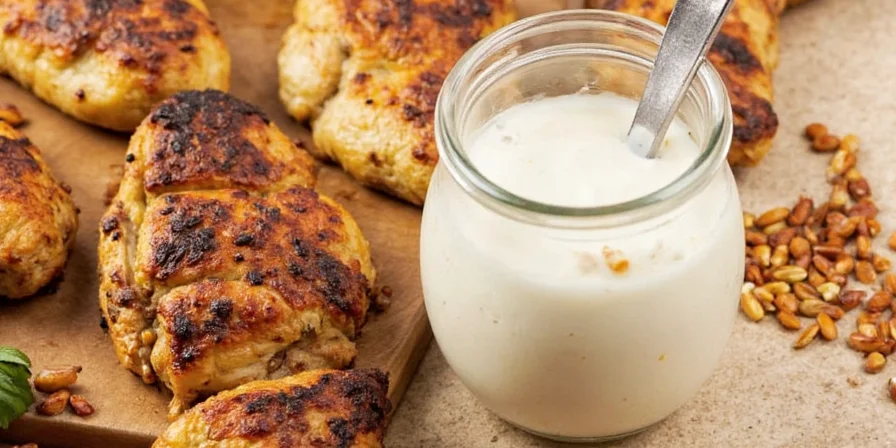
Innovative Spice Pairings That Play Well With Buttermilk
Now comes the fun part — spicing up your buttermilk marinade! Here are some bold and innovative combinations that bring out the best in both the dairy base and the spices.
1. Smoky Paprika & Garlic – Classic Meets Bold
- Smoked paprika adds warmth and depth.
- Minced garlic brings earthiness and bite.
- Add a pinch of cayenne for heat lovers.
| Spice | Role | Quantity |
|---|---|---|
| Smoked Paprika | Smoky backbone | 1 tbsp |
| Garlic Powder | Earthiness + bite | 1 tsp |
| Cayenne Pepper | Heat boost | ½ tsp |
2. Turmeric & Cumin – Earthy Harmony
- Turmeric lends color and anti-inflammatory benefits.
- Cumin enhances nutty undertones and complements turmeric beautifully.
- Add a splash of lime zest for brightness.
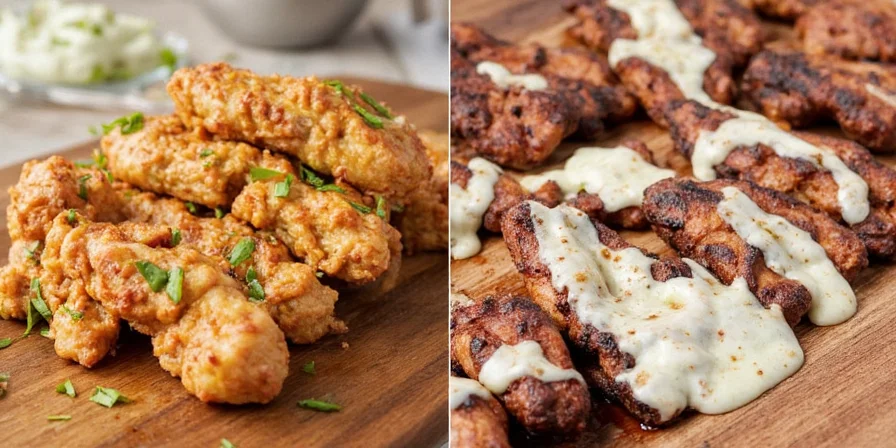
3. Coriander & Ginger – Freshness Meets Heat
- Ground coriander offers floral notes.
- Fresh grated ginger brings zesty heat and aromatic complexity.
- A touch of honey balances the savory elements.
4. Za’atar & Lemon Zest – Mediterranean Magic
- Za’atar is a Middle Eastern blend with thyme, sumac, sesame seeds, and salt.
- Lemon zest lifts the richness of buttermilk and za’atar’s herbal tones.
5. Garam Masala & Chili Flakes – South Asian Fusion
- Garam masala adds layers of warm, sweet, and spicy flavors.
- Crushed red chili flakes introduce a kick that contrasts beautifully with buttermilk’s coolness.
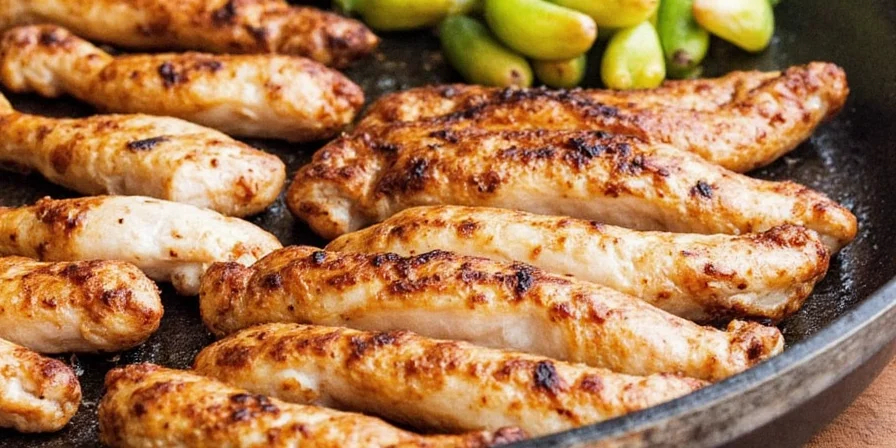
Pro Tips: How to Make the Best Buttermilk Marinade at Home
- Start with Full-Fat Buttermilk: Low-fat versions don’t carry flavor as well and may not tenderize effectively.
- Let It Rest: For optimal results, marinate meats for at least 4 hours, preferably overnight.
- Don’t Skip the Salt: Even though buttermilk is slightly salty, adding more salt ensures proper seasoning and flavor balance.
- Double Up on Herbs: If using fresh herbs like cilantro or parsley, chop them finely and mix directly into the marinade for an extra flavor layer.
- Pat Dry Before Cooking: To get a good sear or char, always pat the meat dry before grilling or pan-searing.
Meat & Veggie Matches: What Goes Best With Buttermilk Marinades?
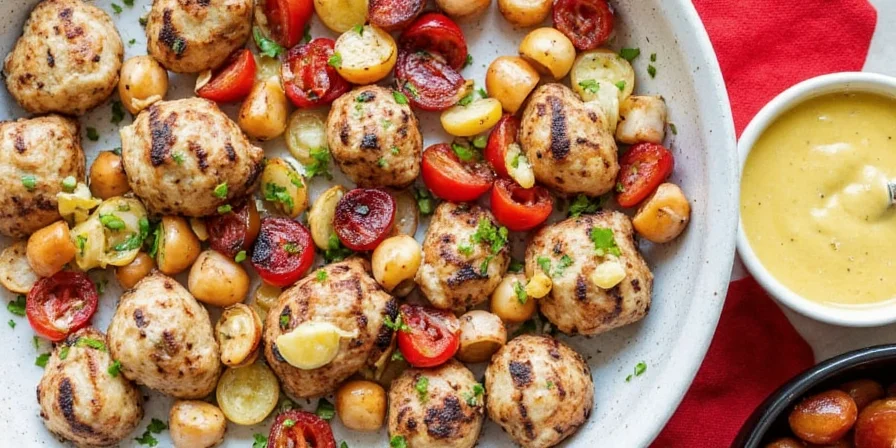
While chicken is the most common choice, buttermilk marinades work wonders on many proteins and even vegetables!
| Ingredient | Best Spice Pairing | Cooking Method |
|---|---|---|
| Chicken thighs | Smoked paprika + garlic | Grill or oven roast |
| Lamb chops | Garam masala + chili flakes | Skewer grill or pan-seared |
| Shrimp | Coriander + ginger | Skillet or skewer |
| Eggplant slices | Za’atar + lemon zest | Grill or bake |
| Cauliflower florets | Turmeric + cumin | Oven roast or air fry |
Common Mistakes to Avoid When Using Buttermilk Marinades
- Too Short a Marination Time: Don’t rush it! Give the buttermilk enough time to do its magic — at least 4–6 hours.
- Overloading Spices: Because buttermilk amplifies flavors, start with less spice and adjust after tasting a small cooked portion.
- Using Old Buttermilk: Check expiration dates; old buttermilk may be too sour or separated, affecting flavor and texture.
- Not Balancing with Acid: While buttermilk has mild acidity, consider adding a splash of vinegar or citrus to help lift the flavors, especially with heavier meats.
Spice Experimentation Zone: DIY Flavor Blends You Should Try
If you’re feeling adventurous, here are some unique spice combos to test in your next batch:
- North African Twist: Harissa paste, ras el hanout, chopped mint
- Tex-Mex Fusion: Chili powder, oregano, ground cumin, chipotle
- East Asian Infusion: Sesame oil, soy sauce, five-spice powder
- Italian Herb Medley: Basil, oregano, rosemary, black pepper
- Sweet & Savory: Maple syrup, cinnamon, smoked paprika, mustard powder
Conclusion: Elevate Your Marinade Game with Buttermilk
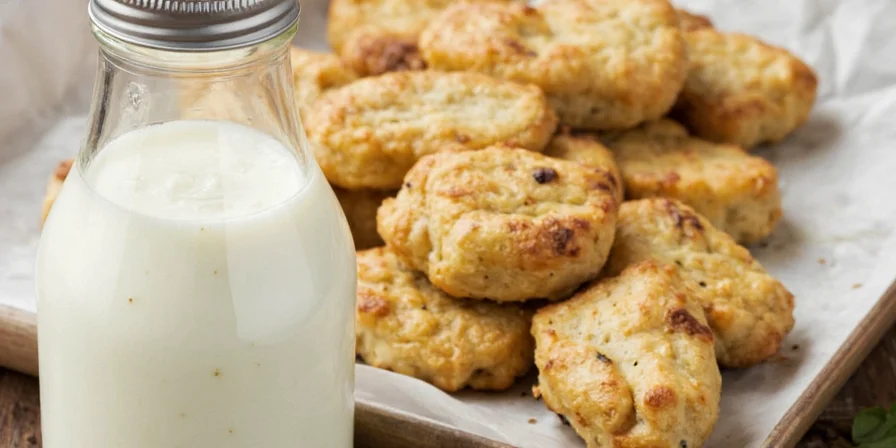
So there you have it — a deep dive into how buttermilk can revolutionize your marinade game. Whether you're grilling chicken for tacos, lamb for kebabs, or even just roasting veggies for a weekend dinner, this creamy base opens the door to endless flavor possibilities.
It's time to embrace the power of buttermilk, experiment with bold spice pairings, and bring a new dimension to your cooking. Remember, the best marinades are the ones that surprise your taste buds while still letting the natural flavors of your ingredients shine through.
Next time you fire up the grill, don’t reach for the same old marinade bottle. Reach for buttermilk instead — and maybe throw in a dash of something unexpected. Happy marinating!




 浙公网安备
33010002000092号
浙公网安备
33010002000092号 浙B2-20120091-4